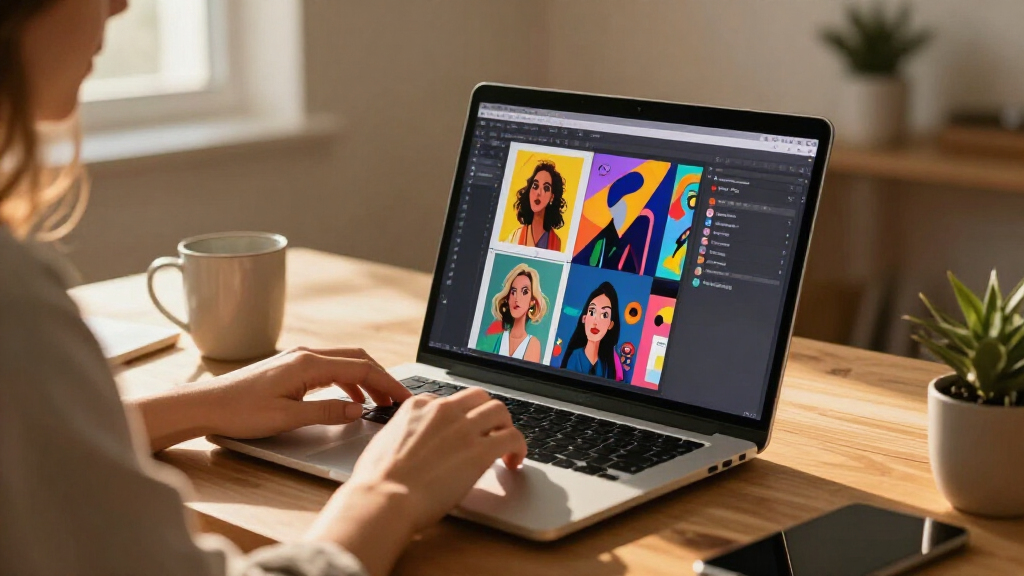

AI image generator tools range from ready-to-use image apps to books that teach prompting, asset creation, or model development. My best overall pick is Imagen AI Image Generator for readers seeking a direct image-generation option; AI Image Generator Prompt Mastery is a standout for improving results through better prompts, while Creating Game Assets with Stable Diffusion targets a focused production workflow. The main tradeoff is convenience versus control: an app can get you generating quickly, while a guide or build-from-scratch resource takes more effort but may offer deeper skills. Some items here are books rather than image-generation software, so the right choice depends on whether you want to make images now or learn how the tools work. Continue reading for the full breakdown and help matching each option to your goal.

Get business pricing on tech for your team
- Business-only prices and quantity discounts
- Tax-exempt purchasing
- Multiple users, one account, clear invoices
Complete the kit


Key Takeaways
- Imagen AI Image Generator is the most direct fit for readers looking for an image-generation product, while several other picks are instructional books rather than tools.
- AI Image Generator Prompt Mastery focuses on improving output through prompt craft, a useful choice when a generator is already available but results feel inconsistent.
- Creating Game Assets with Stable Diffusion has the clearest specialist use case: producing visual assets for game projects rather than general-purpose artwork.
- Build Your Own AI App and Build a Text-to-Image Generator from Scratch prioritize development skills, not a ready-made generation workflow.
- 500 Free AI Tools and AI Images and Videos take broader approaches, so readers seeking focused prompt or model-building instruction may prefer a narrower guide.
| 500 Free AI Tools: A Practical Guide to AI Tools for Writing, Video Editing, Voice-Over, Image Generation, Coding, SEO, and Productivity |  | Best for Exploring AI Tool Categories | Format: Guide | Stated tool count: 500 | Image generation coverage: Included | VIEW LATEST PRICE | See Our Full Breakdown |
| AI Images and Videos: The Ultimate Guide |  | Best for Beginners Exploring Images and Video | Format: Guide | Primary subjects: AI-generated images and videos | Intended reader: Readers without a design background | VIEW LATEST PRICE | See Our Full Breakdown |
| AI Image Generator Prompt Mastery: Step-by-Step Techniques for Crafting Better Prompts and Producing High-Quality Visuals |  | Best for Prompt-Crafting Instruction | Format: Guide | Primary subject: AI image-generator prompting | Instruction style: Step-by-step techniques | VIEW LATEST PRICE | See Our Full Breakdown |
| How to Chat with AI for Better Images: Create Better Visuals with Smarter Conversations, Reference Images, and Practical Workflows |  | Best for Conversational and Reference-Based Workflows | Format: Guide | Primary subject: Improving AI-generated images | Conversation guidance: Smarter conversations with AI | VIEW LATEST PRICE | See Our Full Breakdown |
| AI Image Generator – Free HD Art |  | Best for Quick, No-Cost Image Generation | Product type: AI image generator platform | Output: HD artwork | Generation speed: Described as quick | VIEW LATEST PRICE | See Our Full Breakdown |
| Creating Game Assets with Stable Diffusion AI Image Generator: A Step-by-Step Guide |  | Best for Game Asset Workflows | Format: Guide (format details not provided) | Primary topic: Creating game assets | Image-generation tool: Stable Diffusion | VIEW LATEST PRICE | See Our Full Breakdown |
| Build Your Own AI App: A Step-by-Step Guide to Creating Chatbots, Image Generators, and Video Apps |  | Best for Multi-Format AI App Projects | Topics: AI app creation, chatbots, image generators, and video apps | Image-generation tool mentioned: GPT Image | Other tools mentioned: ChatGPT, Seedance 2.5, Kling AI, and Veo 3 | VIEW LATEST PRICE | See Our Full Breakdown |
| Build a Text-to-Image Generator from Scratch: With Transformers and Diffusions |  | Best for Technical Foundations | Primary topic: Building a text-to-image generator from scratch | Methods named: Transformers and diffusion | Application area: AI image generation | VIEW LATEST PRICE | See Our Full Breakdown |
| Imagen AI Image Generator |  | Best for Buyers Seeking a Named Generator | Product type: AI image generator | Stated function: AI-powered image generation | Named tool: Imagen | VIEW LATEST PRICE | See Our Full Breakdown |
| AI image generator tool | Format | Product type |
|---|---|---|
| 500 Free AI Tools: A Practical | Guide | — |
| AI Images and Videos: The Ulti | Guide | — |
| AI Image Generator Prompt Mast | Guide | — |
| How to Chat with AI for Better | Guide | — |
| AI Image Generator | — | AI image generator platform |
| Creating Game Assets with Stab | Guide (format details not provided) | Book |
| Build Your Own AI App: A Step- | — | Guide (format details not provided) |
| Build a Text-to-Image Generato | — | Book |
| Imagen AI Image Generator | — | AI image generator |
More Details on Our Top Picks
500 Free AI Tools: A Practical Guide to AI Tools for Writing, Video Editing, Voice-Over, Image Generation, Coding, SEO, and Productivity
500 Free AI Tools suits readers who want to place image generation alongside other AI uses, rather than focus solely on making visuals. Its stated scope spans writing, video editing, voice-over, coding, SEO, and productivity, so it may help readers identify how image tools fit into a broader workflow. Compared with AI Image Generator Prompt Mastery, which concentrates on prompt techniques for visual results, this guide offers wider category coverage but less image-specific depth based on the available description. The product information says it includes practical guidance, though it does not name the tools, explain how they are selected, or describe the format. That missing detail makes it harder to judge how actionable or current the image-generation advice will be. I’d choose it for broad exploration, not as my sole resource for improving image quality.
Pros:- Covers image generation alongside several other AI tool categories
- Includes practical guidance according to the product description
- Can help readers explore how visual tools fit into broader AI workflows
Cons:- The specific image-generation tools covered are not identified
- The guide’s format and level of detail are not described
- The broad scope may leave less room for focused image-generation instruction
Best for: Readers comparing AI image generation with writing, video, voice, coding, SEO, and productivity tools before choosing a broader workflow
Not ideal for: Image creators who already know their tool category and want detailed prompt instruction, named software recommendations, or a clearly described learning format
- Format:Guide
- Stated tool count:500
- Image generation coverage:Included
- Other stated categories:Writing, video editing, voice-over, coding, SEO, and productivity
- Guidance:Practical guidance
- Specific tools identified:Not specified in the provided description
Our verdict“Choose this guide for a broad survey of AI categories that includes image generation, but pick AI Image Generator Prompt Mastery for focused visual prompting help.”
AI Images and Videos: The Ultimate Guide
AI Images and Videos: The Ultimate Guide is aimed at people who want to make visuals without first learning design software or having a design background. Its combined image-and-video focus is useful for creators planning both still artwork and moving content, while the beginner framing may make the subject more approachable than a technical guide. Compared with AI Image Generator Prompt Mastery, this book appears broader across media and less narrowly focused on controlling image prompts. That breadth is also the tradeoff: the description does not specify which generators it covers, how its lessons are organized, or how much instruction is devoted to still images versus video. I’d shortlist it for a newcomer seeking a general creative starting point, but not for a buyer who wants clearly documented, image-only workflows.
Pros:- Covers both AI-generated images and videos
- Designed for readers without a design background
- May suit creators who want to explore multiple visual formats in one guide
Cons:- The specific image and video tools covered are not identified
- The description does not clarify how much space is devoted to image generation
- No format or level-of-detail information is provided
Best for: New creators without design training who want an introduction to generating both images and videos with AI
Not ideal for: Experienced image-generation users seeking advanced prompt control, named tool comparisons, or a specifically image-focused manual
- Format:Guide
- Primary subjects:AI-generated images and videos
- Intended reader:Readers without a design background
- Stated aim:Creating professional visuals and videos with AI
- Image-generation coverage:Included
- Specific tools identified:Not specified in the provided description
Our verdict“Pick this as a general entry point for AI images and video, but choose AI Image Generator Prompt Mastery if prompt control is your main goal.”
AI Image Generator Prompt Mastery: Step-by-Step Techniques for Crafting Better Prompts and Producing High-Quality Visuals
AI Image Generator Prompt Mastery makes the most sense for readers who already have access to an image generator and want more control over what it produces. Its step-by-step emphasis on prompt writing targets a practical bottleneck: turning an idea into instructions that guide the resulting visual. The description also highlights techniques for controlling results, giving it a tighter image-generation focus than 500 Free AI Tools, whose coverage spans several unrelated AI categories. Compared with How to Chat with AI for Better Images, this guide appears centered on prompt techniques rather than conversational workflows and reference images. The tradeoff is that its value depends on the reader wanting prompt-based instruction; no specific generator, lesson format, or platform compatibility is identified. It is a focused learning choice, not a tool catalog.
Pros:- Provides step-by-step prompting techniques
- Focuses on controlling generated results
- Targets the creation of high-quality AI visuals
- Keeps its subject centered on image generation
Cons:- The specific generators or platforms covered are not identified
- The description does not state whether techniques are tailored to particular tools
- Readers seeking broader workflows or reference-image instruction may prefer another guide
Best for: Image-generation users who want structured prompt-writing techniques to guide visual style and outputs
Not ideal for: Readers looking for a generator to use, a broad survey of AI tools, or instruction centered on reference images and conversational workflows
- Format:Guide
- Primary subject:AI image-generator prompting
- Instruction style:Step-by-step techniques
- Prompt focus:Crafting better prompts
- Result-control coverage:Included
- Stated visual goal:Producing high-quality visuals
- Specific tools identified:Not specified in the provided description
Our verdict“Choose this guide if improving prompts is your main challenge; choose How to Chat with AI for Better Images if you want conversation and reference-image workflows.”
How to Chat with AI for Better Images: Create Better Visuals with Smarter Conversations, Reference Images, and Practical Workflows
How to Chat with AI for Better Images takes a workflow-led approach: it focuses on improving results through better conversations with AI, reference images, and practical processes for developing visuals. That makes it a distinct option for creators who prefer to refine an idea through multiple instructions rather than rely on a single prompt. Compared with AI Image Generator Prompt Mastery, which emphasizes step-by-step prompt techniques, this guide gives more attention to dialogue and visual references. The product description does not name supported generators or explain how reference images are used, so readers cannot tell whether the methods fit a particular platform. It also may be less useful to someone seeking a straightforward directory of tools, such as 500 Free AI Tools. I’d favor it for workflow guidance, while recognizing that platform-specific detail is not stated.
Pros:- Focuses on improving results through conversations with AI
- Covers using reference images
- Includes practical workflows for developing visuals
Cons:- The specific generators and platforms covered are not identified
- The description does not explain the reference-image methods in detail
- Readers wanting a broad tool list or prompt-only instruction may find its workflow focus less suitable
Best for: Creators who want to iterate on AI images through conversation and use reference images to guide visual development
Not ideal for: Buyers seeking a named generator, a broad AI tool directory, or a guide focused only on direct prompt-writing techniques
- Format:Guide
- Primary subject:Improving AI-generated images
- Conversation guidance:Smarter conversations with AI
- Reference-image coverage:Included
- Workflow coverage:Practical visual-development workflows
- Specific tools identified:Not specified in the provided description
Our verdict“Choose this guide for conversational iteration and reference-image workflows, rather than the prompt-first approach of AI Image Generator Prompt Mastery.”
AI Image Generator – Free HD Art
AI Image Generator – Free HD Art is the only product in this group described as an image-making platform rather than a guide. It is presented as a free, beginner-friendly way to generate custom high-definition artwork quickly, which makes it more direct for someone who wants to produce images instead of study a workflow. Compared with AI Image Generator Prompt Mastery, it offers a generator rather than instruction on how to write better prompts; compared with AI Images and Videos: The Ultimate Guide, it is described as a platform rather than a learning resource for multiple media. The stated limitation is restricted customization relative to paid AI tools, so users who need fine control may outgrow it. The description gives no detail on supported styles, output dimensions, or editing features, making those capabilities unclear.
Pros:- Described as free to use without a subscription
- Generates high-definition artwork
- Aims for quick image creation
- User-friendly interface is described as suitable for beginners
Cons:- Customization options are limited compared with paid AI tools
- Supported styles, output dimensions, and editing capabilities are not specified
- Provides no stated prompt-training or workflow instruction
Best for: Beginners, hobbyists, and marketers who want a free, straightforward way to generate custom high-definition artwork
Not ideal for: Designers who need extensive control over image generation, specific editing tools, or documented output settings
- Product type:AI image generator platform
- Output:HD artwork
- Generation speed:Described as quick
- Interface:Described as user-friendly and beginner-suitable
- Customization:Limited compared with paid AI tools
- Intended users:Designers, marketers, and hobbyists
Our verdict“Choose this platform for quick, free image creation, but opt for AI Image Generator Prompt Mastery if you need guidance on controlling results.”
Creating Game Assets with Stable Diffusion AI Image Generator: A Step-by-Step Guide
Game-focused guidance gives this book a narrower purpose than Build Your Own AI App, which spans chatbots, image generators, and video apps. Its title points to a practical route for making assets with Stable Diffusion, so it is the more relevant choice for readers who want an image-generation workflow tied to game development rather than a broad introduction to AI apps. That focus may help readers connect generated visuals to a specific creative task. The tradeoff is limited scope: the supplied product details do not confirm which asset types, techniques, or Stable Diffusion tools the guide covers. Compared with Build a Text-to-Image Generator from Scratch, this title suggests using Stable Diffusion to create assets rather than building a generator from underlying methods. I would choose it for game-art direction, not general image-generation theory.
Pros:- The stated subject directly connects Stable Diffusion image generation with game assets
- A step-by-step framing signals an instructional rather than purely conceptual focus
- A specialized topic may be more relevant to game creators than broad AI tool guides
Cons:- The available product data does not specify covered asset categories or workflow techniques
- The title points to Stable Diffusion, so readers seeking a survey of multiple image generators may need another resource
Best for: Indie game developers and hobbyists seeking a guide specifically oriented toward creating game assets with Stable Diffusion
Not ideal for: Readers seeking verified technical detail about particular asset workflows, or developers who want to build an image generator from scratch
- Format:Guide (format details not provided)
- Primary topic:Creating game assets
- Image-generation tool:Stable Diffusion
- Instructional approach:Step-by-step, as stated in the title
- Product type:Book
- ASIN:B0C27V9QZY
Our verdict“Choose this guide if your main goal is exploring Stable Diffusion for game assets, and skip it if you need a clearly documented multi-tool or from-scratch technical curriculum.”
Build Your Own AI App: A Step-by-Step Guide to Creating Chatbots, Image Generators, and Video Apps
Build Your Own AI App takes a wider, app-building view of image generation than Creating Game Assets with Stable Diffusion AI Image Generator, whose title centers on making game visuals with one named tool. This guide covers chatbot, image-generator, and video-app projects, and names ChatGPT, GPT Image, Seedance 2.5, Kling AI, and Veo 3. That breadth suits readers deciding how image generation fits into a larger AI product, rather than artists focused only on producing visuals. The tradeoff is that the image-generation material may be one part of a broader guide, and the available details do not describe its format, depth, or specific build steps. Compared with Build a Text-to-Image Generator from Scratch, it appears oriented toward creating apps with named platforms, not explaining generator construction through transformers and diffusion.
Pros:- Covers chatbot, image-generation, and video-app projects in one guide
- Names GPT Image and several other AI tools and platforms
- Step-by-step framing signals a practical project orientation
Cons:- Image generation shares scope with chatbot and video-app topics
- The available product data does not describe the guide’s format or the depth of its project instructions
Best for: Aspiring builders who want to explore image-generation apps alongside chatbot and video-app projects using named AI tools
Not ideal for: Image artists seeking a focused visual workflow, or technical readers who need confirmed detail on implementation depth and book format
- Topics:AI app creation, chatbots, image generators, and video apps
- Image-generation tool mentioned:GPT Image
- Other tools mentioned:ChatGPT, Seedance 2.5, Kling AI, and Veo 3
- Instructional approach:Step-by-step, as stated in the title
- Product type:Guide (format details not provided)
- ASIN:B0HJ87YW38
Our verdict“Pick this guide if you want to explore image generation as part of building several kinds of AI apps, rather than concentrating on image-making alone.”
Build a Text-to-Image Generator from Scratch: With Transformers and Diffusions
Building from scratch sets this book apart from Build Your Own AI App, which names current tools and spans several app types. The title points instead to the underlying methods behind text-to-image systems: transformers and diffusion. That makes it a stronger match for technically minded readers who want to understand how a generator is constructed, rather than simply use an existing image tool. This is not the direct route for someone who wants to produce artwork quickly; its stated subject suggests a more technical learning goal, and the available product information gives no detail about prerequisites, code examples, or supported frameworks. Compared with Creating Game Assets with Stable Diffusion AI Image Generator, it focuses on generator creation rather than a specific creative application. I would choose it for foundational implementation study, not a ready-made art workflow.
Pros:- The title identifies text-to-image generator construction as its central subject
- Names transformers and diffusion as the technical approaches covered
- Offers a distinct from-scratch angle compared with guides focused on using named tools
Cons:- The available data does not establish prerequisites, coding language, or framework coverage
- A from-scratch technical focus may not suit readers seeking immediate image-generation results
Best for: Developers and technically curious learners who want to study text-to-image generator construction through transformer and diffusion methods
Not ideal for: Artists who mainly want prompts, finished images, or a guided Stable Diffusion game-asset workflow
- Primary topic:Building a text-to-image generator from scratch
- Methods named:Transformers and diffusion
- Application area:AI image generation
- Programming language:Not specified in the available product data
- Frameworks:Not specified in the available product data
- Product type:Book
- ISBN:1633435423
Our verdict“Choose this book if you want to learn about the technical foundations of text-to-image generation, not simply operate an existing generator.”
Imagen AI Image Generator
Imagen AI Image Generator is the only entry here presented as a generator itself rather than a guide or book. That makes it a different kind of option from Build Your Own AI App, which teaches across app projects, and Build a Text-to-Image Generator from Scratch, which is framed around technical construction. The supplied description confirms only that it is an AI-powered image generator; it does not identify supported inputs, output controls, access method, or intended users. I would treat the title as a starting point, not evidence of particular features or image quality. Its direct product category may appeal to people seeking a tool rather than instruction, but the lack of details makes it difficult to compare its capabilities with the Stable Diffusion guide or other named systems. Buyers should verify the tool’s actual workflow before choosing it.
Pros:- Identified as an AI-powered image generator
- Offers a tool-focused alternative to the instructional books in this roundup
- Its concise product name makes its broad purpose clear
Cons:- The supplied description provides no information about features or image controls
- Access method, supported workflows, and intended users are not specified
Best for: Readers specifically looking for an AI image-generation tool rather than a book about image-generation methods
Not ideal for: Buyers who need confirmed details about prompting, image controls, access, or supported workflows before selecting a generator
- Product type:AI image generator
- Stated function:AI-powered image generation
- Named tool:Imagen
- Prompting features:Not specified in the available product data
- Output controls:Not specified in the available product data
- Access method:Not specified in the available product data
- ASIN:B0FN6FQLYD
Our verdict“Consider this option only if you want a generator rather than a guide and can verify its capabilities from additional product information.”
How We Picked
I ranked these options by how directly they serve someone searching for AI image generator tools, then by the kind of help they offer: generating images, improving prompts, creating a specialized workflow, or building an application or model. I also considered the likely reader, the clarity of each item’s use case, and whether its scope appears focused enough to support a concrete next step. Since this lineup mixes software-style products with books and guides, I distinguish between making images immediately and learning skills that can improve or create image-generation workflows.
Imagen AI Image Generator leads because its title most directly signals a generation product. The prompt guide and game-asset guide follow as practical learning options with defined goals; broader reference material comes after those, and development books rank lower for readers seeking a ready-to-use generator because they call for more technical effort. The available titles do not establish details such as platform support, licensing, output limits, or current model capabilities, so I avoid treating those as verified features and recommend checking them before choosing.
| AI image generator tool | Format | Product type |
|---|---|---|
| 500 Free AI Tools: A Practical | Guide | — |
| AI Images and Videos: The Ulti | Guide | — |
| AI Image Generator Prompt Mast | Guide | — |
| How to Chat with AI for Better | Guide | — |
| AI Image Generator | — | AI image generator platform |
| Creating Game Assets with Stab | Guide (format details not provided) | Book |
| Build Your Own AI App: A Step- | — | Guide (format details not provided) |
| Build a Text-to-Image Generato | — | Book |
| Imagen AI Image Generator | — | AI image generator |
Factors to Consider When Choosing AI Image Generator Tools
Before choosing among these AI image generator tools and guides, decide whether you need an image today, a better way to prompt, or the skills to build a system yourself. The distinction matters: an instructional book cannot replace a working generator, and an app may not teach a repeatable workflow.
Decide Whether You Need a Tool or a Guide
Start by defining what you expect to have at the end: finished images, a repeatable creative process, or technical knowledge. A generator is the direct route when you want to create visuals, while a prompt guide or workflow book can help when you already have access to a model but struggle to steer it. Development titles serve a different goal: they teach how image-generation applications or systems may be assembled. A common mistake is buying a book because its title includes “image generator” and expecting it to provide software. Check the format and contents before choosing, and match them to the result you need.
Match the Scope to Your Project
Broad guides can help readers surveying many AI use cases, but a focused resource is often easier to apply to a specific task. A game creator may get more relevant direction from a guide centered on Stable Diffusion assets than from a general introduction to image and video generation. Conversely, a reader still comparing fields may prefer a broad catalog or overview before narrowing the search. Avoid choosing solely by the number of topics covered; breadth can mean less room for step-by-step detail. Pick a scope that matches your next project, not every possible future project.
Think About Control and Prompting Effort
Image quality depends on more than the generator name: the ability to describe a scene, refine a result, and use references can shape how reliably a tool serves a brief. A conversational workflow may suit people who prefer iteration in plain language, while prompt-focused instruction can help users who want more deliberate control. More control often means more time spent refining requests and reviewing outputs. If you need consistent results across a series, test whether the process supports repeatable prompts and reference handling before committing to it. Do not assume that a polished sample image proves a tool will fit your everyday workflow.
Check Technical Demands Before Choosing a Build Guide
Books about building an app or creating a text-to-image model are aimed at a different buyer from someone seeking an accessible image maker. Before selecting one, check its stated prerequisites, software dependencies, and whether its examples match your operating environment and technical background. A build-from-scratch resource may offer more learning control, but it also asks you to manage setup, code, and troubleshooting. An app-building guide may be more suitable if your goal is a product prototype rather than model research. Paying for technical depth makes sense only when you plan to use the skills it teaches.
Verify Rights, Privacy, and Output Requirements
Before using generated images for client work, publishing, or commercial products, check the generator’s current terms for output rights, permitted uses, and any restrictions. If you upload reference images or private material, review how the service handles those files and whether your workflow can keep sensitive content out of external systems. Resolution, export formats, editing options, and usage limits can also affect whether an image is ready for its intended destination. These details are not established by a product title alone, so confirm them with the provider or publication. This check can matter more than a small difference in how quickly a prompt is entered.
Choose for Ongoing Use, Not a Single Demo
A tool that produces one appealing result may still be a poor fit if it cannot support your usual volume, style, or revision process. Think through how often you will generate images, whether you need a consistent visual identity, and how much manual editing you can accept. Learning resources can pay off when they teach a transferable skill, while a direct generator is more useful when speed and immediate output matter. Check current access requirements and update policies, especially for fast-changing AI products and technical guides. The best choice is the one that fits the work you expect to repeat.
Frequently Asked Questions
Which option should I choose if I want to generate images right away?
Start with Imagen AI Image Generator, the item in this roundup most directly presented as a generation product. The other picks are primarily guides or books about prompting, workflows, app development, or model creation. Before relying on any generator, check its current access method, supported outputs, and usage terms, since those details are not established by the title alone. If you already have a generator and want better results from it, the prompt or conversation-focused guides may be a better next step.
Is a prompt guide a better choice than a new image generator?
Choose a prompt guide when you already have access to a generator but have trouble getting the composition, style, or consistency you want. AI Image Generator Prompt Mastery is framed around improving prompt technique, while a new generator makes more sense if your current option lacks the workflow or output you need. A guide cannot fix limits built into a model, such as unsupported formats or restricted editing features. First identify whether the problem comes from your instructions or from the tool itself.
Which pick is most relevant for making game art?
Creating Game Assets with Stable Diffusion is the clearest match because it focuses on game assets rather than general image creation. Its specialized focus may be more useful than a broad AI overview if your work involves producing visual materials for a game project. Before choosing it, confirm that its methods and software references match your intended workflow and technical setup. If you are still exploring different creative applications, a broader guide may make a better starting point.
Should I choose a guide that teaches me to build a generator?
Pick a build guide only if your goal includes learning application development or text-to-image system construction, not simply producing images. Build Your Own AI App points toward creating an app, while Build a Text-to-Image Generator from Scratch is framed around model-building concepts and implementation. These paths can offer more technical control, but they require time, suitable tools, and comfort with the stated prerequisites. Check the book’s scope and dependencies before treating it as a practical shortcut to a working generator.
What should I verify before using generated images commercially?
Read the generator’s current license and terms for commercial-use permissions, ownership language, and restrictions on particular types of content. Check whether the service places limits on how outputs can be used or whether different account or access conditions apply. If you use reference images, confirm that you have permission to upload them and review how the provider handles those files. None of the product titles in this roundup establishes these rights or privacy conditions, so verify them directly before publishing or selling work.
Conclusion
For a best overall starting point, choose Imagen AI Image Generator if you want a direct image-generation option; confirm its current capabilities and terms before relying on it. The best value in learning is 500 Free AI Tools for readers who want a broad survey, though it is less focused than a dedicated prompt guide. For a premium-level learning commitment, choose Build a Text-to-Image Generator from Scratch only if you want technical depth and are ready to build, rather than simply generate. Beginners seeking better results from an existing generator may prefer AI Image Generator Prompt Mastery, while people who like conversational iteration can look to How to Chat with AI for Better Images. For a specific need, game creators should start with the Stable Diffusion asset guide, and prospective app makers should compare the two development books. My ranking favors direct usefulness for image creation first, focused workflow learning next, and technical construction for readers with a more specialized goal.