
Eco marketing focuses on promoting your company’s eco-friendly image through campaigns about sustainable practices, eco-products, or certifications. In contrast, useful sustainable upgrades involve real operational changes that reduce energy use, waste, and sourcing impacts, creating tangible environmental benefits. While marketing boosts your reputation quickly, upgrades demonstrate your genuine commitment and can lead to long-term savings. Combining both strategies enhances your brand’s authenticity and trustworthiness—if you want to understand how to effectively balance these approaches, you’ll find useful insights ahead.

Get business pricing on tech for your team
- Business-only prices and quantity discounts
- Tax-exempt purchasing
- Multiple users, one account, clear invoices
Key Takeaways
- Eco marketing promotes a company’s green image through campaigns, while sustainable upgrades involve tangible operational improvements.
- Upgrades deliver direct environmental benefits and cost savings, whereas eco marketing mainly enhances brand perception.
- Sustainable upgrades require higher upfront investment and time, unlike eco marketing, which is quicker and less costly to implement.
- Genuine upgrades build credibility and trust, whereas superficial eco marketing can damage reputation if not backed by real actions.
- Combining both strategies ensures alignment between messaging and tangible environmental contributions for long-term impact.
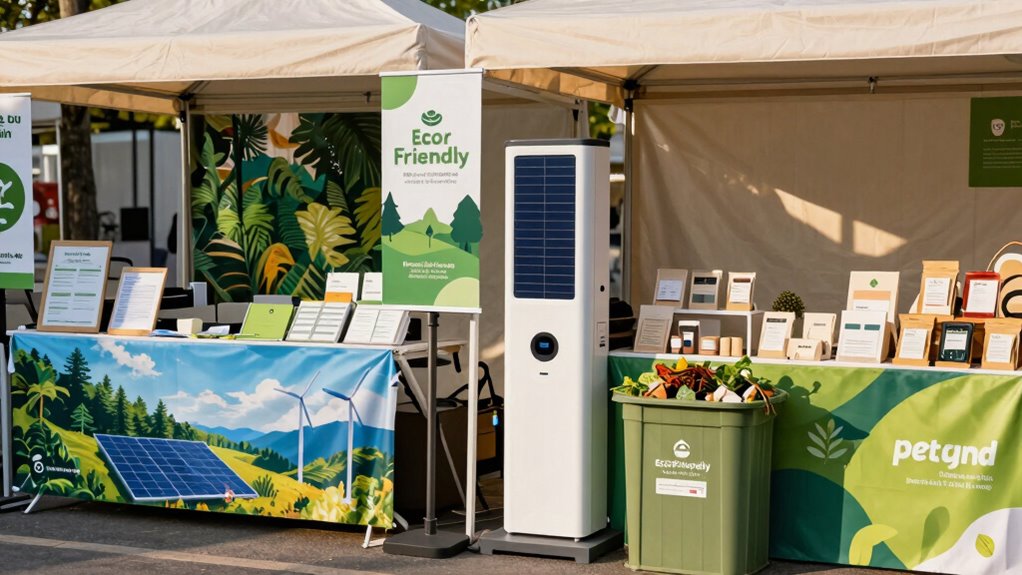
In today’s eco-conscious market, businesses face a vital choice: focus on eco marketing strategies or pursue sustainable upgrades. Both approaches aim to demonstrate your commitment to environmental responsibility, but they serve different purposes and have distinct impacts. Eco marketing, especially through green branding, involves promoting your company’s eco-friendly image to attract environmentally aware consumers. You craft campaigns that highlight your sustainable practices, eco-friendly products, or green certifications to boost your brand’s reputation. This strategy leverages consumer awareness, encouraging customers to choose your brand because they believe in your environmental values. However, eco marketing alone can sometimes be seen as superficial if it’s not backed by genuine sustainable efforts. Consumers are increasingly savvy and can detect when a brand’s green messaging doesn’t match its actions, which can harm your credibility.
On the other hand, sustainable upgrades focus on making tangible, meaningful changes within your operations. These are practical improvements—such as reducing energy consumption, switching to renewable energy sources, minimizing waste, or sourcing materials responsibly—that directly lower your environmental footprint. Implementing these upgrades shows your commitment through action, not just words. Sustainable upgrades can sometimes be more costly upfront, but they create real value by improving efficiency, reducing long-term costs, and strengthening your brand’s authenticity. When you invest in these upgrades, you demonstrate your dedication to sustainability, which can resonate more deeply with consumers who prioritize genuine environmental responsibility. Additionally, sustainable upgrades can often serve as a competitive advantage, especially when communicated effectively to your target audience. Incorporating innovative solutions into your sustainability efforts can further enhance your impact and appeal. Moreover, these efforts can inspire other businesses to follow suit, amplifying your positive influence within the industry.
While eco marketing can quickly boost your green branding and raise consumer awareness, it risks being perceived as superficial if not supported by authentic sustainable practices. Conversely, sustainable upgrades may take more time and investment to implement, but they establish a solid foundation of credibility. In fact, transparency and accountability are crucial components that can significantly strengthen the effectiveness of both strategies. In some cases, businesses find that integrating sustainable upgrades into their core operations enhances their overall brand story and customer trust. This integrated approach not only enhances your brand’s reputation but also aligns your business operations with your messaging, creating a consistent and compelling narrative for your customers.
Ultimately, it’s about balancing perception with action. If you focus solely on eco marketing without sustainable upgrades, you risk losing credibility. Conversely, if you prioritize upgrades without effectively communicating your efforts, you might miss opportunities to connect with environmentally conscious consumers. The key is to recognize that both strategies complement each other—green branding and consumer awareness thrive when supported by genuine, sustainable practices. This balanced approach ensures your business genuinely contributes to environmental sustainability while solidifying your reputation as a responsible, forward-thinking brand.
Products Worth Considering

DJI Osmo Mobile 8 3-Axis Smartphone Gimbal Stabilizer

Jackery HomePower 3600 Plus Portable Power Station, 3584Wh, 3600W

LG 34GX90SA-W 34-inch Ultragear WQHD OLED Curved Gaming Monitor
As an affiliate, we earn on qualifying purchases.
Frequently Asked Questions
How Do Eco Marketing Claims Impact Consumer Trust?
Eco marketing claims can profoundly impact your trust in a brand. When a company uses eco branding and green advertising honestly, it builds credibility and loyalty. However, if the claims seem exaggerated or misleading, it can quickly erode your confidence. Clear, transparent eco marketing fosters a sense of authenticity, making you more likely to support brands that genuinely prioritize sustainability. Trust hinges on truthful messaging and consistent sustainable actions.
What Are Examples of Cost-Effective Sustainable Upgrades?
Imagine turning small changes into powerful waves of impact. You can start with cost-effective upgrades like switching to renewable energy sources, which reduces long-term electricity costs, or implementing waste reduction practices, such as composting or using reusable materials. These upgrades are affordable, easy to adopt, and demonstrate your commitment to sustainability. By making these simple yet effective changes, you not only save money but also build a greener, more responsible environment.
How Can Small Businesses Implement Eco-Friendly Marketing Strategies?
You can implement eco-friendly marketing strategies by focusing on eco branding and obtaining green certifications. Highlight your sustainable practices on your website and social media to showcase your commitment to the environment. Use eco-friendly packaging and promote your eco initiatives in campaigns. Green certifications add credibility, so pursue recognized labels. Engage your community with eco-conscious messages, encouraging customers to support your efforts, which builds trust and boosts your brand’s reputation.
Are Sustainable Upgrades Always More Expensive Than Traditional Options?
Sustainable upgrades aren’t always more expensive than traditional options. You should do a thorough cost comparison, as some eco-friendly upgrades, like energy-efficient lighting or water-saving fixtures, can be surprisingly affordable and lead to long-term savings. Upgrade affordability varies depending on the project, but many sustainable options are now competitively priced. With careful planning, you can implement eco upgrades that fit your budget while benefiting the environment.
How Do Eco Marketing Regulations Vary Across Regions?
Eco marketing regulations vary across regions, requiring you to understand regional compliance and advertising standards. In some areas, strict rules demand transparent, truthful claims to prevent misleading consumers, while others have more relaxed standards. You need to tailor your eco marketing strategies to meet regional regulations, ensuring your messaging aligns with local rules. Staying informed about these regional differences helps you avoid penalties and builds trust with environmentally conscious consumers.
Conclusion
So, whether you’re cruising the future in your hoverboard or just making small eco-friendly tweaks, understanding the difference helps you make smarter choices. Eco marketing often sells an image, while sustainable upgrades offer real, tangible benefits. Think of it like the difference between a fancy, holographic ad and actually planting a tree—both have their place, but only one truly changes the game. Embrace the practical side, and you’ll be a true eco-hero in no time.