
Imagine the sleek silhouette of a yacht gliding smoothly over calm waters, powered by fuels that leave no harmful trail behind. As you consider the future of maritime travel, the shift toward eco-friendly alternatives like biodiesel, renewable diesel, and hydrogen becomes increasingly relevant. But how can you be sure these fuels truly meet sustainability standards? Exploring the role of on-chain audits could hold the key to transparency and trust in this evolving landscape.

Get business pricing on tech for your team
- Business-only prices and quantity discounts
- Tax-exempt purchasing
- Multiple users, one account, clear invoices
Key Takeaways
- Eco-friendly yacht fuels include biodiesel, renewable diesel, green hydrogen, and e-fuels, reducing emissions and environmental impact.
- Transitioning to biofuels and synthetic options requires infrastructure updates and potential engine modifications.
- On-chain audits ensure transparency and traceability of sustainable fuel production and usage credentials.
- Adoption of zero-emission technologies like hydrogen fuel cells can further minimize ecological footprints of yachts.
- Regulatory frameworks and technological advances support the integration of cleaner fuel alternatives and transparent supply chains.
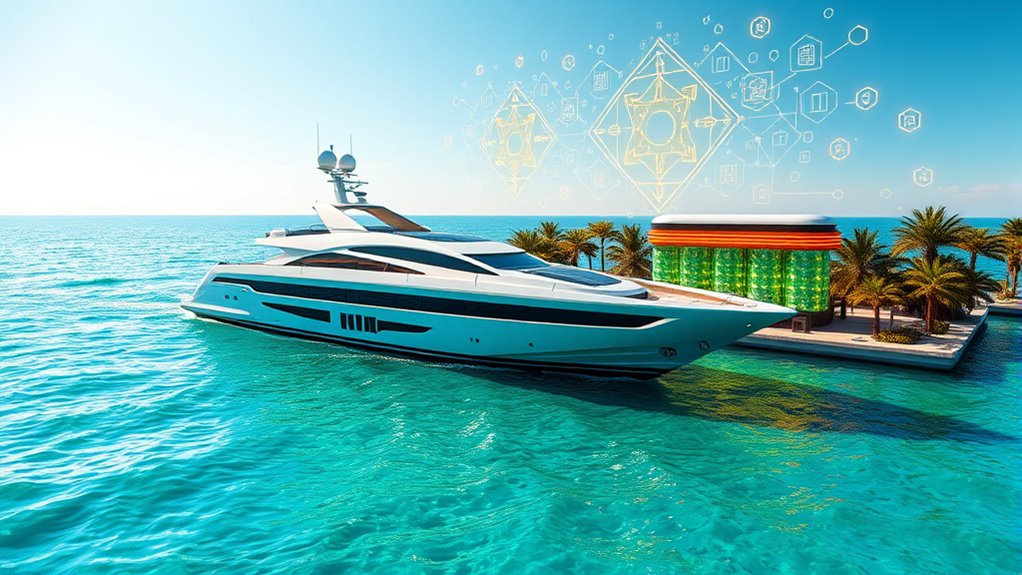
Are you looking for ways to make your yacht more environmentally friendly? If so, exploring eco-friendly fuel alternatives is a smart move. Traditional marine fuels, like heavy fuel oil, contribute *considerably* to pollution, so shifting to cleaner options helps reduce your carbon footprint and supports sustainability. One promising alternative is biofuels, which are produced from organic materials like vegetation or waste. These fuels, such as biodiesel or renewable diesel, burn cleaner than conventional diesel and can often be used with minimal modifications. Biodiesel, for example, is commonly blended at up to 20% with petroleum diesel, offering an easy *changeover*. Hydrotreated vegetable oils (HVO) boast high energy density and compatibility with existing engines, making them a practical choice. Meanwhile, renewable diesel acts as a drop-in fuel, fitting seamlessly into current fuel systems without requiring extensive adjustments. Bio-oil and bio-crude, derived from biomass, are other emerging options, though they often need further refining before they can be used onboard. Biofuels are increasingly being adopted across the marine industry, driven by regulatory pressures and technological advancements. These advancements are supported by renewable energy sources, which are essential for producing synthetic fuels through processes like electrolysis. Synthetic fuels, or e-fuels, are gaining attention as well. Created through electrolysis powered by renewable energy, they produce a carbon-neutral fuel that can be used in your current engines. These fuels are seen as a *bridging* solution, helping you reduce emissions today while supporting the shift toward more advanced technologies in the future. Major manufacturers like Rolls-Royce endorse e-fuels, emphasizing their role in the industry’s move toward sustainability. Hydrogen fuel cells also present a promising zero-emission alternative, especially green hydrogen produced from renewable sources via electrolysis. However, infrastructure remains limited, making widespread adoption challenging for now. Blue hydrogen, derived from natural gas with carbon capture, offers a cleaner intermediate option, while grey hydrogen, produced from fossil fuels without capturing emissions, isn’t as environmentally friendly. Despite these advancements, several challenges remain. Infrastructure for many eco-friendly fuels isn’t widely available, which can limit practical use. Cost is another barrier; these fuels often cost more than traditional options, making them less accessible for many yacht owners. Production capacity and scalability are still developing, and some fuels require modifications to engines or fuel systems. Additionally, international regulations need to evolve to support widespread adoption of these alternatives. Emerging marine fuels, like bio-methanol and lignin-alcohol mixes, show potential for low emissions and performance benefits. Bio-based natural gas is also being explored as a low-carbon option. As these technologies and feedstocks develop, they promise a more sustainable future for marine transportation. By prioritizing these alternative fuels, you can *substantially* lower your yacht’s environmental impact, contribute to global emission reductions, and stay ahead in the push toward greener maritime practices.
As an affiliate, we earn on qualifying purchases.
Conclusion
By embracing eco-friendly yacht fuels and trusting on-chain audits, you’re gently steering toward a more sustainable future on the water. These innovations help guarantee your adventures stay greener and more responsible, all while keeping things smooth and hassle-free. As you navigate these greener waters, remember that transparency and trust are your best companions, guiding you comfortably toward a cleaner, brighter horizon for everyone’s enjoyment.
Fall Picks
fall essentials
As an affiliate, we earn on qualifying purchases.