When using connected cleaning robots, you should consider security and privacy carefully. Make certain your data is protected with strong encryption methods and robust user authentication. Be aware of how manufacturers handle your information, especially regarding data sharing with third parties. Balancing convenience with smart security practices can help you enjoy automated cleaning while safeguarding your personal information. Stay informed about these vital aspects to keep your connected home secure and efficient – there’s more to explore!
Key Takeaways
- Data encryption protects communication between cleaning robots and cloud services, preventing unauthorized access and interception by malicious actors.
- User authentication, including strong measures like two-factor authentication, restricts access to authorized users only, enhancing security.
- Understanding manufacturers’ privacy policies is crucial for knowing how collected data is used, shared, and stored, empowering informed user decisions.
- Implementing robust security measures, including encryption and authentication, provides essential layers of protection for connected cleaning robots.
- Balancing convenience with security is vital; proper practices ensure safe device integration while maintaining user trust and privacy.
Have you ever wondered how connected cleaning robots balance convenience with security and privacy? These innovative devices are designed to take the hassle out of cleaning your home, but they also bring some concerns regarding the data they collect and how it’s managed. As you welcome these robots into your living space, it’s essential to understand the security measures in place that help protect your information.
One of the key aspects of safeguarding your data is data encryption. When your connected cleaning robot gathers information about your home, such as layout and cleaning preferences, that data is often transmitted over the internet. Without proper encryption, this information could be vulnerable to interception by malicious actors. Most reputable manufacturers employ strong encryption protocols to ensure that any data sent between your robot and its cloud services is secure. So, when you use your mobile app to control the robot or check its status, you can trust that your data isn’t exposed to potential threats.
User authentication is another critical layer of security. When you set up your cleaning robot, you typically create an account that involves a username and password. This account acts as a gatekeeper, allowing only authorized individuals to access your robot and its associated data. Strong user authentication measures, such as two-factor authentication, can considerably enhance security by requiring additional verification beyond just your password. By enabling these features, you’re taking proactive steps to ensure that only you—and anyone you choose to share access with—can control the robot and view its collected data.
However, while these security measures are essential, it’s equally important to stay informed about privacy policies and data usage practices. Familiarize yourself with how the manufacturer handles your data. Do they share it with third parties? Is it stored securely? Understanding these factors can help you make informed decisions about whether to use certain features or share your data at all. Additionally, taking note of grocery savings strategies can free up some budget for investing in these advanced cleaning solutions.
Ultimately, striking a balance between convenience and security is indispensable when it comes to connected cleaning robots. By leveraging data encryption and user authentication, manufacturers aim to protect your information while offering you the ease of automated cleaning. As you integrate these devices into your home, stay vigilant about your security practices and always prioritize your privacy. Doing so will help ensure that your experience is both enjoyable and secure, allowing you to reap the benefits of technology without unnecessary worry.
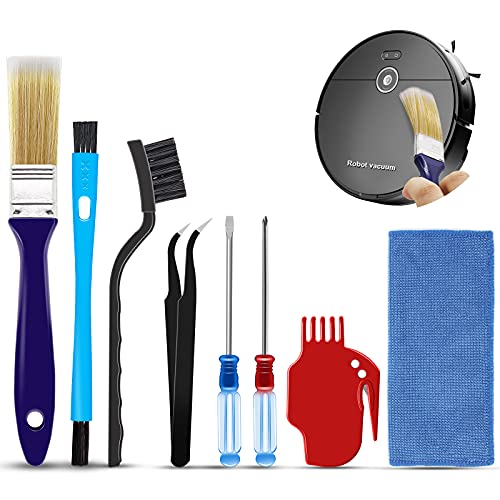
Midukit Vacuum Attachments Accessories for Robot Vacuum Cleaner,Cleaning Brush roll Cleaning Tool Replacement Parts, Part kit Tool for Vacuums Cleaner Replacement Include Vacuum Cleaning Cloth
Midukit vacuum cleaning kit for robot, dyson. Vacuum cleaning tool includes Cleaning Brush, tweezers, screwdriver (Phillips, Slotted), double-end…
As an affiliate, we earn on qualifying purchases.
As an affiliate, we earn on qualifying purchases.
Frequently Asked Questions
How Do Connected Cleaning Robots Handle User Data Encryption?
Connected cleaning robots handle user data encryption by utilizing advanced encryption protocols to secure your information. When you use the robot, it encrypts your data both during transmission and storage, ensuring your user privacy is protected. You can rest easy knowing that your personal details are scrambled and inaccessible to unauthorized users. Always check the manufacturer’s specifications to confirm the encryption standards they employ, so you’re fully informed about how they safeguard your data.
Can I Disable the Camera Features on My Cleaning Robot?
Yes, you can disable the camera features on your cleaning robot. To do this, you’ll need to access the privacy settings in the companion app. Once you find the camera options, you can toggle them off, ensuring your space stays private. It’s a good idea to regularly review these settings to maintain your desired level of privacy while still enjoying the convenience of your robot. Don’t forget to save any changes you make!
What Happens if My Robot Gets Hacked?
If your robot gets hacked, it could lead to unauthorized remote access, putting your home at risk. Imagine a helpful device turning into a potential spy; that’s the danger of poor robot authentication. Malicious users might control your robot, accessing private spaces without your knowledge. To prevent this, regularly update your robot’s software and guarantee strong passwords. Being proactive protects your privacy and keeps your home secure from unexpected threats.
Are There Any Privacy Regulations for Cleaning Robots?
Yes, there are privacy regulations that impact cleaning robots. You need to make certain your robot complies with data collection policies, especially regarding personal data. Depending on your location, laws like GDPR or CCPA may apply, mandating transparency about what data is collected and how it’s used. By understanding these privacy compliance requirements, you can protect your personal information and enjoy your cleaning robot without worrying about privacy violations.
How Often Do Manufacturers Update Security Features?
Manufacturers typically update security features through firmware patches every few months, but it can vary. You’ll want to check your robot’s privacy policy transparency for specific schedules. Sometimes, you’ll notice updates coincide with new features or bug fixes, enhancing both security and user experience. Staying informed about these updates helps you maintain a secure cleaning environment, ensuring your robot works efficiently while protecting your privacy. Don’t forget to enable automatic updates when possible!
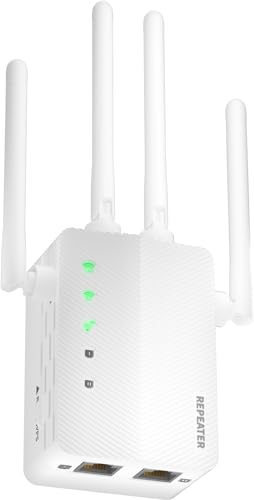
2026 WiFi Extender Signal Booster for Home, Internet Extender WiFi Booster, Covers up to 15,000 sq.ft, WiFi Repeater with Ethernet Port & EasyMesh, Compatible with All Routers & Smart Home Devices
High-speed dual-band extender: this 2026 new wifi extender signal booster utilizes dual-band technology to provide speeds of up…
As an affiliate, we earn on qualifying purchases.
As an affiliate, we earn on qualifying purchases.
Conclusion
In a world where convenience reigns, connected cleaning robots bring both ease and risk. They sweep away dirt while potentially exposing your personal data. You can enjoy a spotless home, but at what cost? Balancing the benefits of smart technology with the need for security is essential. As you embrace these innovations, remember that safeguarding your privacy must be a priority. After all, a clean home shouldn’t come with a messy digital footprint.

Yubico – YubiKey 5C NFC – Multi-Factor authentication (MFA) Security Key and passkey, Connect via USB-C or NFC, FIDO Certified – Protect Your Online Accounts
POWERFUL SECURITY KEY: The YubiKey 5C NFC is the most versatile physical passkey, protecting your digital life from…
As an affiliate, we earn on qualifying purchases.
As an affiliate, we earn on qualifying purchases.

CATLINK Scooper Robot Automatic, Self-Cleaning Cat Litter Box, 5G WiFi App Control & Multiple Cats Dual-Ai Camera Tracking, Auto Waste Packing, Smart Robot with Odor Control, X-Large
AI Dual Cameras: See both inside and outside the litter box with dual cameras, so you always know…
As an affiliate, we earn on qualifying purchases.
As an affiliate, we earn on qualifying purchases.