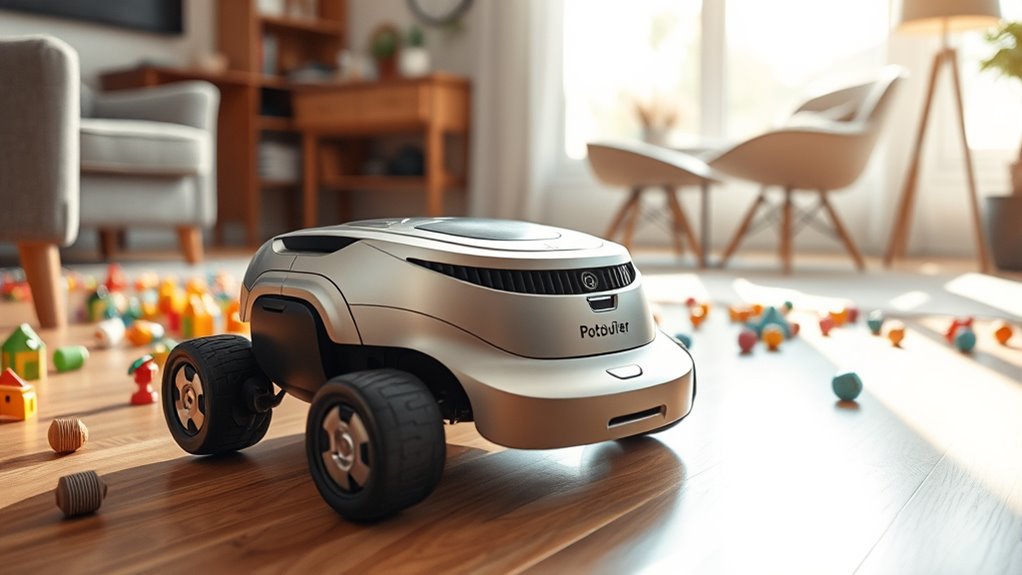

Robot cleaners use machine learning to enhance their obstacle-avoidance capabilities. They collect data on your home layout, identifying frequent obstacles and learning which areas need more cleaning. As they continue their cleaning cycles, they refine their routes, minimizing collisions and optimizing performance. This allows them to adjust based on surface types, ensuring a thorough clean across different flooring. If you’re curious about how these features work together for improved efficiency, there’s more to explore.
Key Takeaways
- Robot cleaners use machine learning to collect data on home layouts and obstacle locations, improving navigation over time.
- The system learns which areas accumulate more dirt, adjusting cleaning frequency and routes accordingly.
- Enhanced obstacle avoidance is achieved as robots recognize and adapt to new obstacles based on previous encounters.
- Machine learning allows robots to optimize cleaning paths dynamically, minimizing collisions with furniture and other objects.
- Continuous feedback from sensors helps refine cleaning techniques for various surfaces, contributing to overall cleaning effectiveness.

As technology advances, robot cleaners are becoming smarter and more efficient, thanks to machine learning. These innovations help them navigate your home with remarkable agility, allowing them to tackle dirt and debris without your constant supervision. One of the key features that enhance their performance is the integration of navigation algorithms, which allow the robots to map their environment intelligently. When you turn on your robot cleaner, it begins to assess the space around it, identifying obstacles and determining the best route to clean your floors effectively.
Sensor integration plays a essential role in this process. Your robot cleaner is equipped with various sensors that detect obstacles, changes in floor surfaces, and even dirt levels. These sensors feed real-time data into the navigation algorithms, enabling the robot to adjust its cleaning path dynamically. For instance, if it encounters a chair or a stray toy, the robot can quickly analyze the situation and recalibrate its route to avoid collisions. This kind of adaptability is fundamental for maintaining efficiency during a cleaning cycle.
Moreover, machine learning allows your robot cleaner to improve over time. As it cleans, it collects data about the layout of your home and the locations of obstacles. The more it cleans, the better it understands your space. It learns which areas require more attention and which routes are most efficient. You might notice that over time, your robot cleaner becomes more adept at avoiding obstacles, reducing its cleaning time, and ensuring a more thorough job.
In addition to avoiding physical barriers, these machines can also differentiate between various types of surfaces. When moving from carpet to hardwood, for example, the robot can adjust its cleaning technique accordingly. This sensor-driven adaptability makes them not just convenient but also effective in maintaining your home’s cleanliness. Furthermore, the integration of intelligent tutoring systems in cleaning technology enhances user experience by providing tailored feedback on cleaning performance.
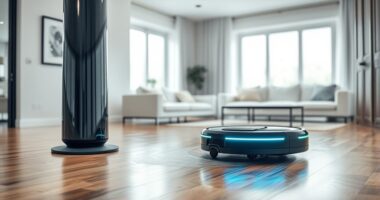
robot vacuum cleaner with obstacle avoidance
As an affiliate, we earn on qualifying purchases.
As an affiliate, we earn on qualifying purchases.
Frequently Asked Questions
How Do Robot Cleaners Recharge Themselves During Cleaning?
Robot cleaners recharge themselves by returning to designated charging stations when their battery levels get low. You’ll notice they’ve got smart battery management systems that monitor their power usage. When they detect a drop in charge, they navigate back to the station automatically. Once docked, they connect to the power source and recharge, ensuring they’re always ready for their next cleaning session without interrupting their work too much.
Can Robot Cleaners Work in the Dark?
Yes, robot cleaners can work in the dark. They utilize sensor navigation to navigate your space effectively, even when visibility is low. These sensors help them detect obstacles, ensuring they avoid collisions while cleaning. You’ll find that many models are designed to function ideally in various lighting conditions. So, you don’t have to worry about turning on lights; your robot will still do its job efficiently.
How Long Do Robot Cleaners Typically Last?
Most robot cleaners typically last anywhere from 3 to 5 years, much like a trusty steed in a fantasy tale. Their battery lifespan can vary, usually providing about 1 to 2 hours of cleaning time per charge. When you consider their cleaning durability, regular maintenance and care can extend their life. So, with a little attention, you can keep your robotic companion working effectively for years, just like a loyal friend by your side.
What Maintenance Do Robot Cleaners Require?
Your robot cleaner needs regular maintenance to keep it running smoothly. You should check the battery lifespan and replace it when necessary, usually every couple of years. Don’t forget about filter maintenance, either; clean or replace the filters regularly to ensure peak suction power. Additionally, you should wipe down the sensors and wheels to prevent debris buildup. By doing this, you’ll extend the life and efficiency of your robot cleaner.
Are Robot Cleaners Compatible With Smart Home Systems?
Yes, robot cleaners are compatible with most smart home systems. You can easily integrate them with your existing setup, allowing for seamless app integration. This lets you control your robot cleaner through a smartphone app or even voice control with devices like Alexa or Google Assistant. Just link the devices, and you’ll be able to start, stop, or schedule cleanings hands-free, making your home automation even more efficient and convenient.
machine learning robot floor cleaner
As an affiliate, we earn on qualifying purchases.
As an affiliate, we earn on qualifying purchases.
Conclusion
In a world where robot cleaners navigate your home like a trusty Roomba from the future, machine learning is the magic behind their obstacle-evading prowess. By continuously learning and adapting, these smart devices can dodge furniture, pets, and even those pesky socks you left on the floor. As they keep your space tidy, you can relax and enjoy your day, knowing your robot buddy’s got it under control. Who knew cleaning could feel so high-tech?
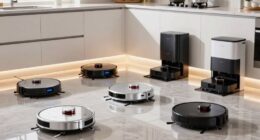
smart robot vacuum with mapping technology
As an affiliate, we earn on qualifying purchases.
As an affiliate, we earn on qualifying purchases.
automatic recharge robot vacuum
As an affiliate, we earn on qualifying purchases.
As an affiliate, we earn on qualifying purchases.