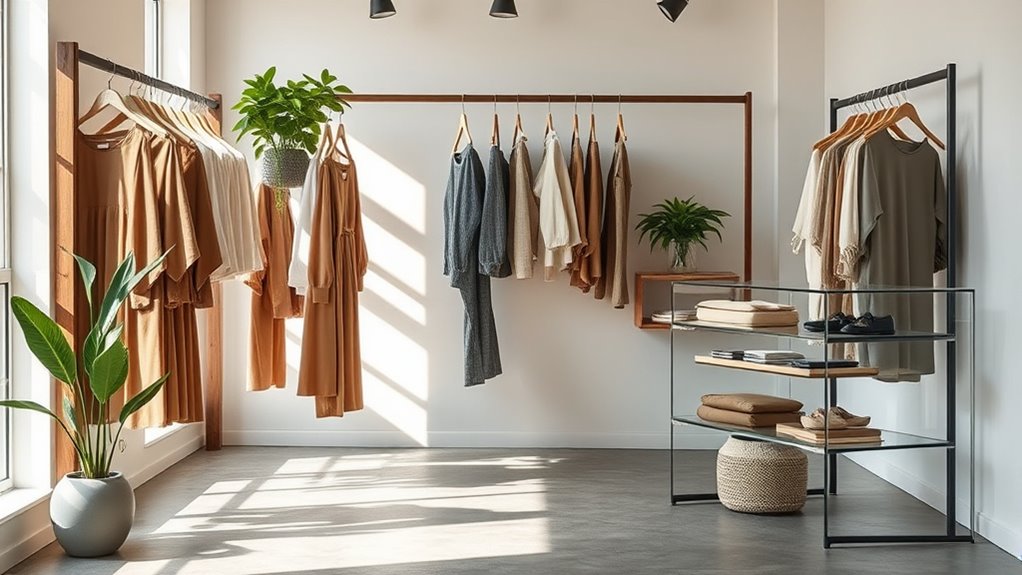

Luxury brands are rapidly adopting sustainable practices, developing innovative eco-friendly materials like regenerated nylon and mushroom leather. They’re committed to transparent supply chains, circular designs, and ambitious climate targets, responding to the demands of eco-conscious consumers. Industry-wide actions include resale platforms, certifications, and digital passports that enhance traceability. As these efforts grow, you’ll discover how brands balance luxury, innovation, and sustainability to shape the future of fashion. Keep exploring to see what’s driving this transformation.
Key Takeaways
- Luxury brands are adopting ambitious sustainability targets, including net-zero emissions and significant reductions in Scope 3 carbon footprints.
- Industry initiatives like The Fashion Pact promote collective action toward decarbonization, renewable energy, and transparency.
- Innovative sustainable materials, such as mushroom leather and recycled nylon, are central to eco-friendly product development.
- Consumer demand from Millennials and Gen Z drives growth in second-hand markets and values transparency and ethical sourcing.
- Digital tools like blockchain and product passports enhance traceability, responsible sourcing, and supply chain transparency in luxury fashion.

Cnoles Women Genuine Leather Designer Tote Bags Purses And Handbags For Women Fashion Ladies Top Handle Shoulder Satchel Bag Brown
The hobo bag is made of genuine Leather with tear-resistant polyester lining and strong gold hardware.
As an affiliate, we earn on qualifying purchases.
As an affiliate, we earn on qualifying purchases.
Industry-Wide Commitments and Collective Actions
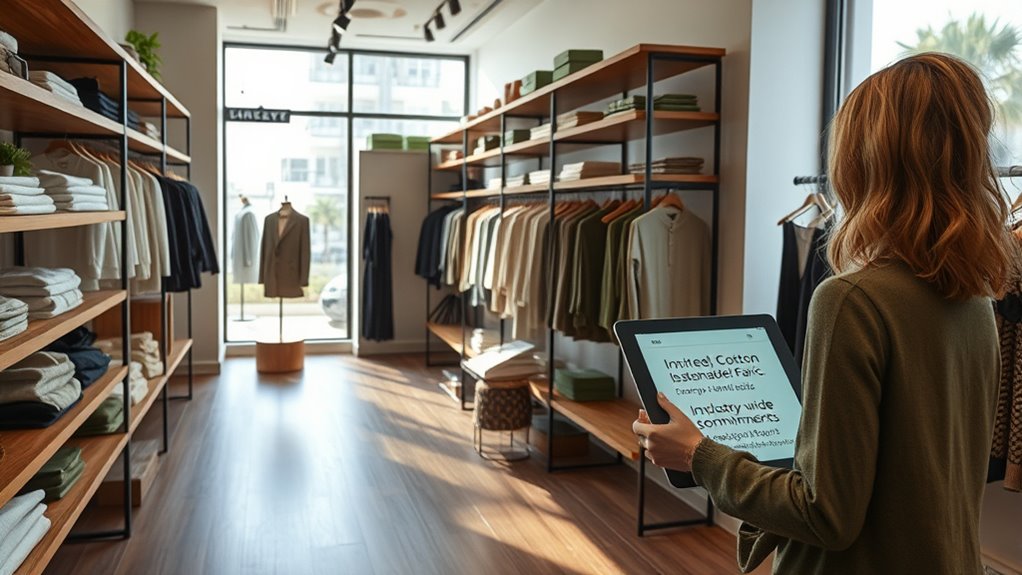
Industry-wide commitments are driving significant change in luxury fashion, with over 160 brands signing The Fashion Pact to target net-zero emissions by 2050 and achieve 50% renewable energy use by 2025. These sustainability commitments exemplify collective actions shaping the luxury fashion industry’s future.
Industry initiatives like The Fashion Pact and policy advocacy at COP26 and COP28 demonstrate a unified effort to decarbonize operations and promote transparency. Many brands set science-based targets, such as Gucci’s 55% reduction in direct carbon footprint by 2030 and Burberry’s aim for 90% Scope 3 emission reduction by 2030. Implementing sustainable practices is essential for achieving these ambitious goals.
Collaboration with startups and tech companies is accelerating innovation in sustainable materials and traceability pilots, ensuring industry efforts focus on reducing environmental impact and fostering regenerative practices through collective action.

The Sak womens Esperato Recycled Nylon Backpack, Olive Ii, One Size US
STYLISH & SPACIOUS: With room for your phone, wallet, and keys, the Esperato Nylon Backpack has two adjustable…
As an affiliate, we earn on qualifying purchases.
As an affiliate, we earn on qualifying purchases.
Leading Brand Strategies and Targets

Luxury brands are actively shaping their sustainability futures by establishing ambitious targets and implementing innovative strategies. They set clear sustainability targets, such as Gucci’s 50% GHG reduction by 2025 and Hermès’ goal to be net zero by 2050. Many adopt science-based targets, like Burberry’s 90% Scope 3 emissions reduction by 2030 and Louis Vuitton’s 55% decrease in carbon footprint. Material innovations play a pivotal role, with Hermès’ mushroom-based Mycelium Leather and Prada’s Re-Nylon recycled nylon leading the way. Brands also focus on supply chain transparency and circular economy initiatives, exemplified by Gucci’s circular hub and Chanel’s climate plan. These strategies guarantee they meet consumer expectations and regulatory demands while advancing sustainability in luxury fashion.
Additionally, fostering cultural intelligence enables brands to better understand diverse consumer values and adapt their sustainability messaging across global markets.

Cole Haan Men's 2.Zerogrand Laser Cut Wingtip Oxford, Oyster Mushroom Suede, 10 Wide
OFFICIAL COLE HAAN: Men's 2.ZEROGRAND Laser Wingtip Oxfords; Timeless style powered by innovation, for when you need to…
As an affiliate, we earn on qualifying purchases.
As an affiliate, we earn on qualifying purchases.
Innovation in Sustainable Materials and Products

You can see how luxury brands are pushing the boundaries with eco-friendly materials like mushroom leather and recycled plastics to decrease their environmental footprint. By adopting circular design strategies, they’re creating products that are easier to reuse and recycle, extending their lifecycle. Transparent supply chains ensure you know where materials come from, fostering trust and accountability in sustainable innovation. Additionally, implementing cybersecurity measures helps protect sensitive supply chain data and proprietary information from cyber threats.
Eco-Friendly Material Innovations
Have you ever wondered how high-end brands are transforming their materials to become more sustainable? They’re pioneering eco-friendly innovations by developing biodegradable materials like mushroom-based leather and regenerated nylon (Econyl), reducing environmental impact. Brands such as Gucci and Prada are embracing responsible sourcing with organic cotton, recycled steel, and regenerated polyamide, showcasing sustainable material development. Industry collaborations, like Gucci’s partnership with MycoWorks, advance scalable regenerative textiles from natural fibers. Here’s a quick look:
| Brand | Eco-Friendly Materials | Focus Area |
|---|---|---|
| Stella McCartney | Biodegradable rubber, mushroom leather | Natural fibers, regenerative textiles |
| Hermès | Regenerated nylon (Econyl) | Recycled materials |
| Gucci | Organic cotton, recycled steel, regenerated polyamide | Responsible sourcing |
| Prada | Recycled nylon (Re-Nylon) | Sustainable material development |
| Kering | Microalgae textiles, responsible cotton | New bio-based textiles |
These innovations showcase a commitment to sustainable luxury through responsible sourcing and cutting-edge material development. A growing number of brands are investing in innovative eco-friendly materials to meet consumer demand for sustainability.
Circular Design Strategies
Circular design strategies are transforming how brands create and manage their products by emphasizing reuse, recycling, and regeneration. In luxury fashion, this approach extends product lifecycles through innovative use of sustainable materials like mushroom leather, recycled nylon, organic cotton, and regenerated polyamide. Brands such as Hermès and Prada lead the way by designing for disassembly, repair, and upcycling, helping to reduce waste and promote longevity. They also establish recycling hubs, like Gucci’s circular hub, to facilitate material regeneration and support closed-loop systems. Implementing secure merchant account credit processing solutions can further support brands in managing their transactions efficiently and securely as they adopt these sustainable practices.
Transparent Supply Chains
How are luxury brands ensuring transparency in their supply chains? They’re leveraging traceability and supply chain transparency to verify responsibly sourced materials. Brands like Gucci, Hermès, and Stella McCartney utilize digital product passports, offering consumers real-time insights into raw material origins and sustainable practices. This technology enhances raw material traceability, ensuring each component is responsibly sourced and environmentally friendly. Additionally, implementing regulatory compliance measures helps brands adhere to evolving laws and maintain consumer trust. Innovative materials like regenerated nylon, Mycelium Leather, and bio-based fabrics are being developed, replacing resource-intensive textiles. Industry collaborations with biotech startups are scaling sustainable materials such as microalgae fabrics and mushroom leather. Certifications like GOTS, Fair Trade, and B Corp further validate ethical sourcing. By adopting these practices, luxury brands demonstrate their commitment to transparency, fostering trust and promoting sustainable supply chain management in the sector.
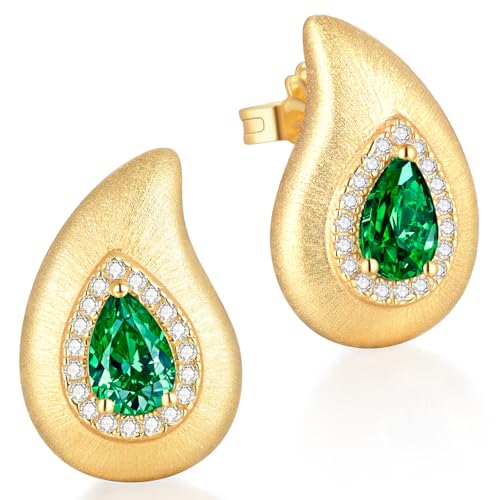
LEONIDS 14K Gold Teardrop Earrings for Women | Moissanite or Lab-Grown Emerald Stud Earrings with Hairline Detailing Non Tarnish | Birthday Jewelry Gifts for Her
【Waterdrop Design】- This exquisite hand brushed gold earrings features a 0.65-inch teardrop adorned with intricate hairline detailing, showcasing…
As an affiliate, we earn on qualifying purchases.
As an affiliate, we earn on qualifying purchases.
Consumer Trends and Market Growth
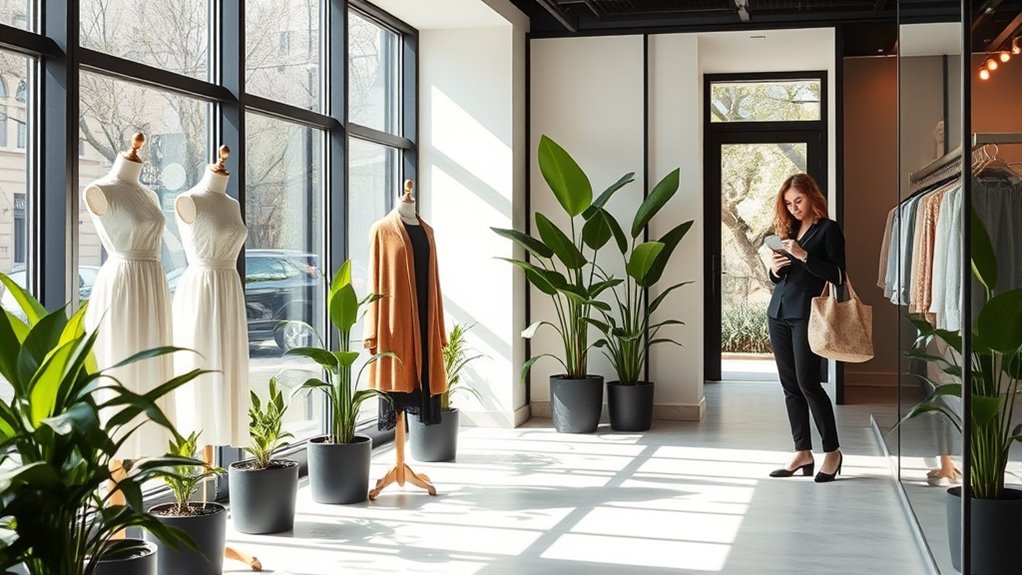
You’ll notice that Millennials and Gen Z are driving the shift toward sustainable luxury, making up a significant portion of the market and prioritizing brands with strong social responsibility.
The growing resale and second-hand markets, valued at billions, highlight younger consumers’ acceptance of eco-friendly, pre-owned options.
As this trend continues, brands that embrace holistic sustainability practices will find increasing market growth and loyalty.
Additionally, the increasing demand for transparency in sourcing underscores the importance of brands demonstrating their commitment to ethical practices and authentic sustainability efforts.
Rising Wealth and Values
Have you noticed how rising wealth among consumers is reshaping the luxury market? With the sector’s revenue hitting £19 billion in Q1 and a 17% boost from 2022, market growth is clear.
Today’s wealthy buyers prioritize brands that embrace sustainable practices, especially as Millennial and Gen Z consumers, who’ll make up 70% of the market by 2025, demand more ethical sourcing and environmental responsibility.
This shift is reflected in the increasing popularity of second-hand luxury goods—23% of affluent UK individuals have bought pre-owned items—highlighting values of sustainability and longevity.
You’re now part of a market where social responsibility influences purchasing decisions, pushing brands to align luxury with ecological, social, and economic sustainability. One example of integrating sustainable technology into luxury products is the adoption of eco-friendly materials and innovative manufacturing processes.
Millennials and Gen Z Influence
Did you know that Millennials and Gen Z are set to make up 70% of the luxury market by 2025? Their demand for sustainability in luxury influences brand strategies and product offerings. They prioritize authentic, transparent supply chains and ethical sourcing, valuing brands that communicate their environmental commitments. Over 35% of these consumers purchased second-hand luxury items in 2022, showing a strong preference for circular fashion. This shift encourages brands to adopt sustainable fashion practices, including eco-friendly materials and innovative designs. The table below highlights key trends driven by these generations:
| Trend | Consumer Preference | Brand Response |
|---|---|---|
| Circular Fashion | Resale and upcycled luxury items | Developing resale platforms |
| Ethical Sourcing | Transparency in supply chains | Public reporting and certifications |
| Eco-friendly Materials | Use of sustainable fabrics | Incorporating innovative textiles |
| Social Responsibility | Supporting brands with clear sustainability efforts | Authentic communication and activism |
Furthermore, understanding the unique characteristics of Doxie-Poodle Mix can inspire designers to create sustainable and versatile accessories that appeal to these eco-conscious consumers.
Second-Hand Market Growth
The growing emphasis on sustainability among Millennials and Gen Z has considerably propelled the second-hand luxury market. Luxury resale and second-hand luxury offerings are now experiencing rapid market growth, valued at $38 billion in 2021. More consumers are embracing pre-owned products as part of sustainable fashion, seeking affordability without sacrificing quality. Popular items include watches, jewelry, handbags, and shoes, which make up much of the market. Leading platforms like Farfetch have introduced verified resale services to guarantee authenticity, boosting consumer confidence. This shift reflects a broader trend toward eco-conscious shopping, where consumers prioritize sustainable choices. As the market continues to expand, the demand for authentic, pre-owned luxury items is expected to grow, further transforming the landscape of luxury fashion. Additionally, the growing ecosystem of resale platforms and increased institutional interest contribute to the ongoing legitimization and expansion of the market.
Digital Transformation and Eco-Friendly Practices

How is digital transformation reshaping eco-friendly practices in the luxury sector? It’s streamlining your ability to meet sustainability goals through a digital supply chain that tracks material origins and guarantees eco-friendly packaging, like recyclable mono-materials and compostables.
Transparency dashboards and blockchain-based product passports give you real-time insights into sourcing and ethical practices, boosting consumer trust.
Virtual try-ons, AI-driven size recommendations, and digital fitting rooms reduce product returns, cutting waste and lowering carbon emissions.
Digital transformation also helps you communicate your sustainability efforts authentically with immersive content and data sharing.
Industry-wide tools, such as the EU’s Digital Product Passport, are further supporting a more sustainable and accountable supply chain.
This tech-driven shift makes eco-friendly practices more transparent, efficient, and impactful in the luxury sector.
Challenges and Opportunities for Future Sustainability

While digital tools have advanced sustainability efforts, the luxury sector still faces significant hurdles in turning innovative ideas into scalable solutions. You must navigate complex supply chains, where achieving full transparency and traceability is tough but crucial for building consumer trust.
Consider these challenges:
- Limited scalability of biotech-derived leathers and regenerated fibers hampers widespread adoption.
- Rising demand leads to increased carbon emissions, as seen with brands like Kering’s 12% rise in 2022.
- Evolving regulations, such as the EU’s Digital Product Passport, demand significant investment and adaptation.
Opportunities lie in embracing innovation to improve ethical practices, reduce environmental impact, and promote transparency. Balancing growth with sustainability requires concerted effort, but it’s essential for future-proofing the luxury sector’s commitment to sustainability.
Frequently Asked Questions
What Is Sustainability in Luxury Fashion?
Sustainability in luxury fashion means you prioritize ethical practices that reduce environmental impact and promote social responsibility.
You’ll see brands adopting eco-friendly materials, setting clear environmental goals, and ensuring transparency through traceability tools.
As a consumer, your demand for authentic, responsible products encourages brands to embed sustainability into their identity, making sure their craftsmanship aligns with environmental and social values.
This way, you enjoy luxury while supporting a better planet.
What Is Gucci’s Sustainability Strategy?
You see Gucci’s sustainability strategy focuses on cutting its carbon footprint by 55% by 2030, guided by science-based targets. It promotes circularity with Italy’s first recycling hub and uses eco-friendly materials like organic cotton and recycled nylon.
The brand also aims for full traceability of raw materials and employs EP&L accounting to track ecological impact, making sustainability a core part of its operations.
What Is the Most Sustainable Luxury Fashion Brand?
You’re asking which luxury fashion brand is the most sustainable. Based on the info, Stella McCartney stands out because she’s been committed to ethical practices since 2006, avoiding animal leather and fur, and investing in biodegradable, vegan materials.
Her efforts have reduced emissions markedly. While other brands also make impressive strides, her long-term focus on innovative, eco-friendly materials makes her a leader in sustainability.
Do Luxury Fashion Consumers Care About Sustainability?
Imagine walking through a garden where every flower represents a luxury brand. Do you stop and admire only the vibrant blooms, or do you also care about the roots that nourish them?
Many consumers, including you, do care about sustainability. You value transparent supply chains and authentic stories, often willing to pay more for eco-friendly options.
This growing concern influences your choices and shapes the future of luxury fashion.
Conclusion
As you navigate the lush landscape of sustainable fashion in the luxury sector, remember that every step you take can ripple outward like a stone cast into a tranquil pond. With industry-wide commitments, innovative materials, and your conscious choices, you hold the power to shape a future where elegance and environmental care walk hand in hand. Embrace this journey, and together, you can turn the fabric of fashion into a tapestry of lasting change.