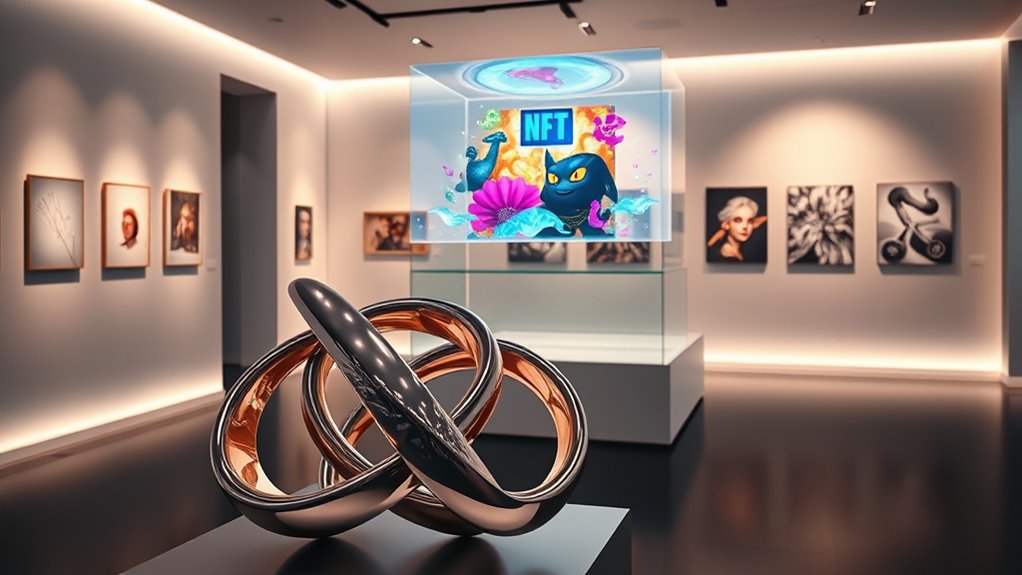

As someone interested in the art world, you might wonder how NFTs are transforming the way we verify and protect both physical and digital artworks. These digital tokens create a secure, transparent record of ownership that can link directly to physical pieces or stand alone as digital creations. Understanding how this technology bridges traditional provenance with virtual assets could change how you buy, sell, and authenticate art forever. But what are the full implications of this shift?
Key Takeaways
- NFTs serve as digital certificates of ownership, linking physical artworks to blockchain-verified provenance.
- They create a secure, immutable record of ownership history, enhancing trust and authenticity for both physical and digital art.
- Smart contracts embedded in NFTs enable automatic royalty payments and ongoing artist compensation on secondary sales.
- NFTs help prevent counterfeiting by providing a transparent, verifiable chain of custody for physical artworks.
- They expand market access, allowing collectors to buy, sell, and display physical and digital art seamlessly across digital platforms.
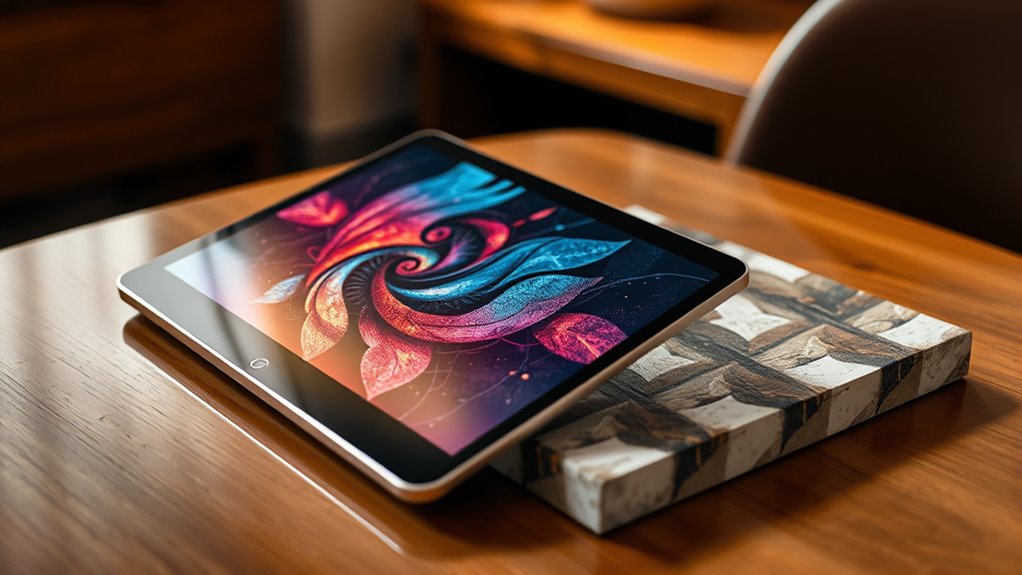
Have you ever wondered how digital art is transforming the traditional art sphere? Fine art NFTs are at the forefront of this revolution, offering a new way to authenticate, own, and trade art in both digital and physical domains. At their core, NFTs—Non-Fungible Tokens—provide a unique digital certificate of ownership recorded on a blockchain. This certificate guarantees the authenticity and provenance of an artwork, making it impossible to forge or duplicate. Unlike cryptocurrencies such as Bitcoin, each NFT is non-fungible, meaning it’s one-of-a-kind due to its digital signature. This uniqueness boosts the value and desirability of each piece. Because blockchain technology is immutable, every transaction and ownership change is permanently recorded and publicly verified. This transparency reduces the risk of forgery and assures collectors of the artwork’s history. Blockchain technology ensures secure and transparent transactions, which further enhances trust in digital art markets.
NFTs provide a secure, transparent way to authenticate and own digital and physical art.
Fine art NFTs can represent digital works or link to physical art assets. For physical artworks, NFTs act as a digital proof of ownership, encoding details on the blockchain that complement traditional provenance documents. This creates an irrefutable chain of custody, which enhances trust among artists, collectors, and institutions. When you own an NFT linked to a physical piece, you possess a verifiable digital record confirming your ownership, making the process of proving authenticity faster and more reliable than conventional certification methods. Additionally, linking NFTs to physical art helps address prevalent issues in the traditional market, such as counterfeiting and forgery.
While owning an NFT typically doesn’t transfer copyright or intellectual property rights, it does confirm your ownership of the digital token or the associated artwork. This distinction is important, as it allows artists to maintain control over their creative rights while providing collectors with proof of ownership. Artists also benefit from smart contracts embedded within NFTs, which enable automatic royalty payments on secondary sales. This creates ongoing income streams for creators, encouraging more innovative digital expressions and expanding their reach beyond physical galleries.
For collectors, NFTs introduce scarcity and exclusivity through limited editions or one-of-a-kind tokens, increasing their appeal and value. Blockchain-secured ownership gives confidence in the legitimacy and provenance of the artwork, making it easier to buy, sell, and transfer digitally. This shift transforms art collecting, enabling easier trading and display in virtual environments. NFT marketplaces further democratize access, providing liquidity and broader opportunities outside traditional galleries. Overall, fine art NFTs are bridging the gap between physical and digital provenance, reshaping how art is authenticated, owned, and appreciated in the modern world.

EMEET C960 4K Webcam for PC, 4K UHD CMOS Sensor, PDAF Auto Focus, Dual Omnidirectional Mics, Auto Light Correction, 73° FOV, Plug&Play Webcam w/Privacy Cover, Works w/Zoom/Teams/Skype/Google Meet
Unmatched Clarity with True 4K Resolution - Experience ultra-clear video conferencing with a genuine EMEET SmartCam C960 4K...
As an affiliate, we earn on qualifying purchases.
Conclusion
As you navigate the world of art, think of NFTs as a sturdy bridge connecting the tangible and digital domains. They not only secure your ownership like an unbreakable chain but also open doors to new creative horizons. Embracing this technology transforms how you authenticate, buy, or sell art, making the journey seamless and trustworthy. In this evolving landscape, NFTs are your compass, guiding you through the exciting intersection of tradition and innovation.

Galyimage 4K Webcam with Ring Light Web Cam 4K Autofocus with TOF Computer Camera 1080P 60FPS Web Camera Built-in Privacy Cover and Microphone Streaming Webcams for Zoom/Skype/Google Meet
【4K UHD Webcam】This webcam for pc supports resolutions from 4K@30FPS to 1080P@60FPS, with frame rates that capture every...
As an affiliate, we earn on qualifying purchases.
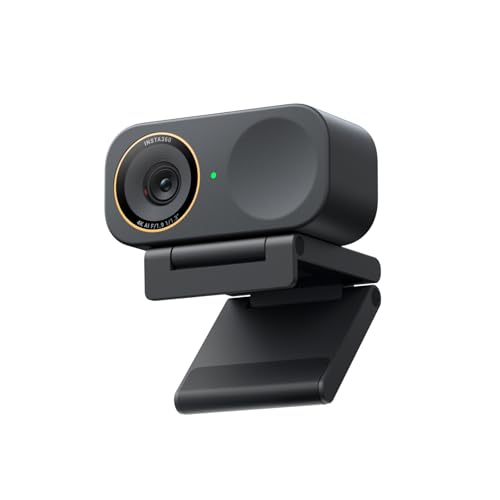
Insta360 Link 2C Pro – 4K Webcam for PC/Mac, 1/1.3” Sensor, Low-Light, Auto Framing, HDR, Directional Noise-Canceling Mics, Supports Stream Deck, Zoom, Teams, Twitch for Streaming or Meetings
Flagship Image Quality: Capture sharp, detailed 4K with a large 1/1.3” sensor that delivers cleaner video and excellent...
As an affiliate, we earn on qualifying purchases.
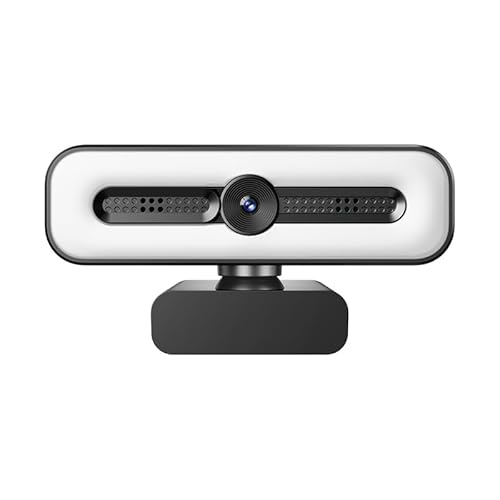
4K UHD Ring Light Webcam for PC, 1080P Web Camera with Dual AI Noise-Cancelling Mics, Auto Light Correction, Privacy Cover, 73°FOV, PDAF Autofocus, Privacy Cover, for Streaming, Conference, Zoom
4K &1080P Ultra HD Webcam: 2025 New Version camera is equipped with an 8MP CMOS sensor that delivers...
As an affiliate, we earn on qualifying purchases.