To organize backup keys, recovery items, and travel documents more cleanly, use clearly labeled containers like lockboxes or folders for physical items, and store digital backups in encrypted, secure locations. Keep printed recovery codes offline and separate from digital copies, and regularly update and review all documents for accuracy. Maintain a consistent system that’s easy to access and update. If you want to discover more ways to streamline your organization process, continue exploring practical tips.
Open a free Amazon Business account
Business pricing, bulk buying and tax-exempt orders.
As an affiliate, we earn on qualifying purchases.
Key Takeaways
- Use clearly labeled, dedicated containers or folders for physical keys, recovery items, and travel documents to ensure easy identification.
- Store digital backups in encrypted, secure cloud or offline locations with organized folder structures for quick access.
- Regularly review and update expiration dates, security codes, and access permissions to maintain accuracy and security.
- Keep physical and digital items in separate, secure locations to minimize risk of simultaneous loss or theft.
- Develop a consistent system for organization that is simple, accessible, and easy to maintain during emergencies.
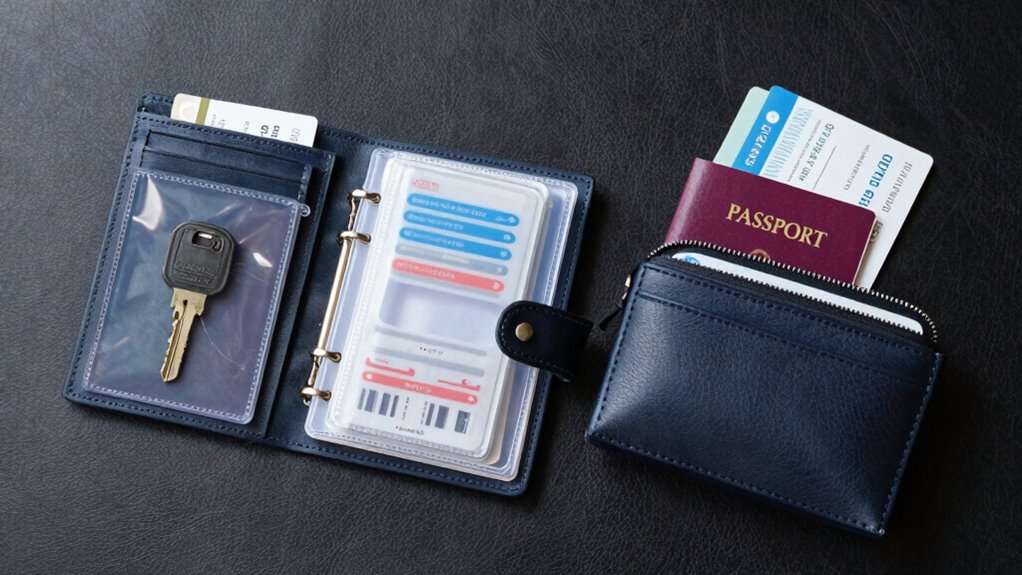
Keeping your backup keys, recovery items, and travel documents organized can save you time and stress when you need them most. Whether you’re facing a sudden lockout, a technical issue, or an emergency, having everything in order guarantees you can respond quickly and confidently. It’s essential to think about digital security as well—your backup keys and recovery items often contain sensitive information that needs to be protected from theft or unauthorized access. Proper organization involves more than just gathering your items; it means creating a system that’s secure, accessible, and easy to maintain.
Organize your backup keys, recovery items, and travel documents securely to save time and reduce stress during emergencies.
Start by grouping similar items together. Keep all physical keys—house, car, safe—in one designated container, like a sturdy lockbox or a labeled envelope. For digital security, store backup keys and recovery codes in a secure digital vault or encrypted folder on your device. Avoid leaving these details in plain sight or unprotected, as cybercriminals are increasingly targeting digital assets. Use strong, unique passwords for your digital storage and enable two-factor authentication where possible. This way, even if someone gains access to your device, they’ll still need an extra layer of verification to get to your sensitive info.
Next, organize your recovery items, such as security questions, backup passwords, or recovery tokens, into a dedicated section of your digital or physical storage. Keep a printed list of essential recovery codes in a secure, offline location—preferably separate from your keys—to prevent loss due to digital failure or hacking. When it comes to travel documents, like passports, visas, and travel insurance, use a labeled travel organizer or a dedicated folder. Keep digital copies of these documents encrypted on your device or in a secure cloud storage service with access controls. This ensures you can retrieve them quickly if needed, without risking exposure.
Emergency preparedness extends beyond just having your items organized; it’s about knowing where they are and maintaining them regularly. Check expiration dates on travel documents, update recovery codes, and ensure your digital security measures are current. Regularly backing up your digital data is crucial for protection and helps prevent data loss in case of device failure. This proactive approach minimizes risks and guarantees your preparedness. Remember, a well-organized system isn’t just about convenience; it’s about safeguarding your identity, assets, and peace of mind. When every item is in its designated place, you reduce the chances of losing important documents or wasting precious time during emergencies. Proper organization, combined with strong digital security practices, empowers you to respond swiftly and effectively to any unexpected situation.
lockbox for keys and recovery items
As an affiliate, we earn on qualifying purchases.
As an affiliate, we earn on qualifying purchases.
Frequently Asked Questions
What Materials Are Best for Durable Backup Key Storage?
For durable backup key storage, consider using materials with high resilience, like stainless steel or reinforced plastic. These materials resist corrosion, impact, and wear, making them ideal for long-term protection. Key storage solutions made from such sturdy materials ensure your backup keys stay safe and intact, even under tough conditions. Opt for secure, compact cases with these durable materials to keep your keys protected and easily accessible when needed.
How Often Should I Review and Update My Recovery Items?
You should review and update your recovery items at least once a year to guarantee your emergency preparedness stays current. Regular checks help you confirm that all documentation remains accurate and secure. Life changes, like new passwords or updated contact info, demand fresh updates. Keeping your recovery items current ensures you’re ready for emergencies and maintains your documentation security, giving you peace of mind when you need it most.
What’s the Safest Way to Store Digital Travel Documents?
Imagine your travel documents tucked safely like secret treasures—digital encryption keeps them locked tight, while cloud storage offers a secure, accessible vault. You should store digital travel documents in encrypted files within reputable cloud services, ensuring they’re protected from unauthorized access. Always enable two-factor authentication, keep your passwords strong, and regularly update your security settings. This way, your essential documents stay safe no matter where your journey takes you.
How Do I Prevent Loss or Theft of Backup Keys?
To prevent loss or theft of backup keys, consider key duplication and secure labeling. Make duplicates of your keys and store them in separate, safe locations. Use secure labeling that’s discreet, so only you know what’s inside. Avoid obvious labels like “backup” or “spare.” Keep these keys in a locked safe or a secure location, and consider using a trusted friend or family member as an additional backup.
Are There Any Apps to Help Organize Travel Documents Electronically?
Yes, several apps help you organize travel documents electronically, ensuring security through digital encryption and seamless access via cloud synchronization. Apps like Evernote, Google Drive, and specialized travel organizers let you securely store copies of passports, visas, and itineraries. Use digital encryption to protect sensitive info, and cloud synchronization to access your documents anywhere. These tools streamline your travel prep, keeping everything safe, organized, and readily available whenever you need it.
Conclusion
Now that you’ve mastered the art of clutter-free backups, recovery items, and travel docs, go ahead—proudly show off your perfectly organized chaos. Who knew that a neat system could turn the mundane into a masterpiece of efficiency? Just don’t get too smug when everyone else struggles to find their keys—after all, you’re now officially the “organized” one, even if it’s just in the world of paper and plastic. Cheers to your clutter-free conquest!
Flea & tick season Picks
flea and tick prevention
As an affiliate, we earn on qualifying purchases.