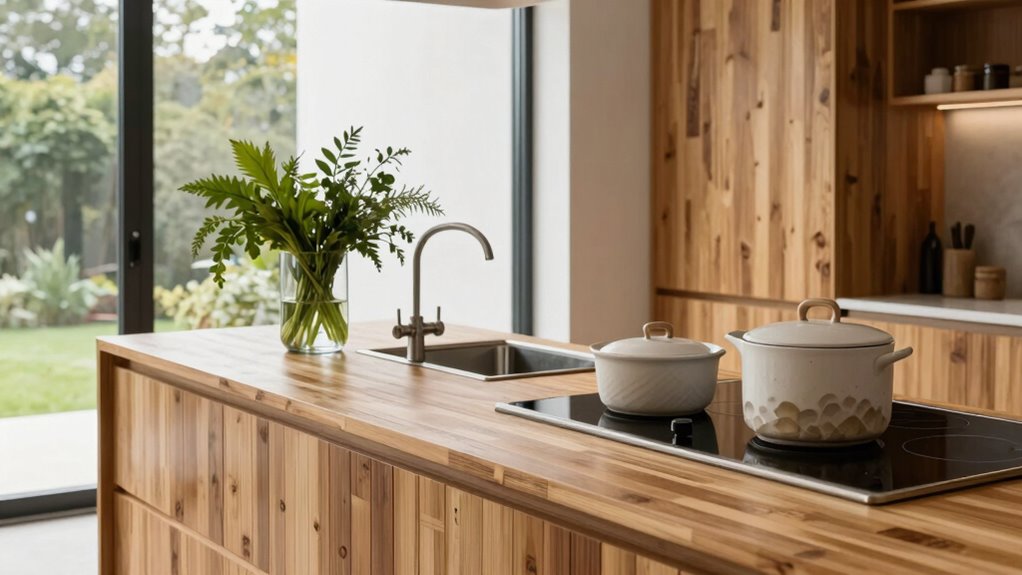

Luxury sustainability shifts from just choosing eco-friendly materials to integrating responsible practices into your daily routines and brand operations. It focuses on embedding sustainability into core processes, like supply chains, production, and product lifecycle management. Brands encourage you to contemplate longevity, reuse, and repair, while ensuring transparency through digital tools like blockchain. This approach creates a more meaningful, eco-conscious experience. If you want to understand how these changes redefine luxury, keep exploring the latest trends.
Key Takeaways
- Brands embed sustainability into daily operations, focusing on eco-friendly practices beyond just sourcing materials.
- Emphasis shifts to designing products for reuse, repair, and extended lifecycle within a circular economy.
- Consumers are encouraged to adopt responsible routines emphasizing durability and reusability in their daily habits.
- Digital tools like blockchain and QR codes provide transparency into product origins and lifecycle details.
- Ethical supply chain management ensures responsible sourcing and fosters trust through increased transparency.

While luxury brands have long prioritized sustainable materials, the focus is now shifting toward integrating eco-friendly practices into everyday systems. Instead of just selecting ethically sourced fabrics or recycled metals, they’re embedding sustainability into the core operations you interact with daily. This shift means that your experience with luxury isn’t just about the product, but about the entire lifecycle and the choices made behind the scenes.
Luxury brands now embed sustainability into daily operations, focusing on the entire lifecycle beyond just sourcing materials.
One of the key ways this *shift* manifests is through ethical sourcing. Brands are scrutinizing their supply chains more closely, ensuring that every step—from raw material extraction to manufacturing—upholds high standards for human rights and environmental impact. When you purchase a luxury item now, you’re not only getting a beautifully crafted product but also supporting a process that respects workers and minimizes harm. Ethical sourcing becomes a guarantee that the materials you value are obtained responsibly, fostering transparency and trust.
Beyond sourcing, the circular economy plays a pivotal role in reshaping how luxury brands approach sustainability. Instead of the traditional linear model—extract, produce, dispose—companies are designing systems where products are reused, refurbished, or recycled repeatedly. This means that your luxury purchases are increasingly part of a closed loop, reducing waste and conserving resources. For example, brands might offer repair services or take-back programs, allowing you to extend the life of your items and participate actively in the circular economy.
In daily systems, this *shift* encourages you to think differently about consumption. Instead of impulsively buying and discarding, you’re invited to *contemplate* longevity and reusability. Luxury brands are developing operational models that promote durability, easy maintenance, and eventual recycling. When you opt into these practices, you’re not just acquiring luxury; you’re engaging in a sustainable cycle that benefits the environment and supports responsible production. Incorporating sustainable practices into daily routines can also help foster a deeper understanding of the impact your choices have on the environment. Additionally, integrating transparency tools like blockchain or QR codes allows consumers to verify the origins and lifecycle details of their items, creating a more informed and responsible purchasing experience. Adopting these technologies further emphasizes the importance of product traceability in fostering consumer trust and accountability.
Furthermore, integrating sustainability into daily systems means adopting digital solutions that streamline transparency. Blockchain or QR codes can provide detailed insights into the ethical sourcing and lifecycle of your products, empowering you to make informed choices. This transparency helps build a more meaningful connection between you and the brand, emphasizing that luxury isn’t just about exclusivity but also about responsibility.
Ultimately, this evolution from sustainable materials to *extensive*, eco-conscious systems transforms the way you experience luxury. It’s about making choices that align with your values—supporting ethical practices, reducing waste through the circular economy, and participating in a sustainable future. As luxury brands embed these principles into their daily operations, your role becomes active, integral, and impactful in shaping a more responsible and sustainable luxury landscape.
luxury eco-friendly reusable products
As an affiliate, we earn on qualifying purchases.
As an affiliate, we earn on qualifying purchases.
Frequently Asked Questions
How Can Consumers Identify Truly Sustainable Luxury Brands?
You can identify truly sustainable luxury brands by looking for authentic transparency—they openly share their practices and supply chains. Check if they prioritize ethical sourcing, ensuring materials are responsibly harvested and workers are treated fairly. Research their sustainability reports and certifications, like Fair Trade or B Corp. When brands demonstrate genuine commitment through clear communication and verified practices, you know they’re making a real difference in luxury sustainability.
What Role Do Technology Innovations Play in Sustainable Luxury Systems?
Technology innovations, like innovative textiles and smart supply chains, play a vital role in sustainable luxury systems. You can leverage innovative textiles that reduce environmental impact while maintaining quality, and smart supply chains that optimize resource use and transparency. These advancements enable brands to minimize waste, track sustainability metrics, and guarantee ethical practices, helping you enjoy luxury products that align with your values and promote environmental responsibility seamlessly integrated into daily life.
How Do Luxury Brands Measure the Impact of Their Sustainability Efforts?
You gauge your sustainability impact like a skilled navigator, relying on eco-friendly certifications and supply chain transparency as your compass. These tools help you track progress, identify areas of improvement, and prove your commitment to responsible luxury. By measuring emissions, resource use, and social impact, you transform your efforts into a clear map guiding your brand toward more sustainable, luxurious practices that resonate with eco-conscious consumers and set new standards.
Are Sustainable Luxury Practices Economically Viable for Brands?
Sustainable luxury practices, like eco-conscious sourcing and ethical manufacturing, are increasingly economically viable for brands. By investing in sustainable materials and ethical production methods, you can attract eco-conscious consumers willing to pay premium prices. These practices can also reduce long-term costs through efficiency and waste reduction. While initial investments might be higher, embracing sustainability enhances brand reputation, ultimately leading to increased loyalty, sales, and a competitive edge in the luxury market.
How Does Sustainability Influence Luxury Brand Marketing Strategies?
Imagine your favorite luxury brand shouting its sustainability story from every rooftop—suddenly, ethics and transparency take center stage. You see bold campaigns highlighting ethical sourcing and open brand transparency, making you trust them more. Sustainability transforms marketing strategies by creating an authentic vibe that resonates deeply. It’s not just about luxury anymore; it’s about showing you that every detail is ethically sourced, making you feel good about your indulgence and your impact.
Conclusion
Imagine stepping into a boutique where every detail, from energy-efficient lighting to biodegradable shopping bags, reflects sustainable luxury. By shifting focus from just materials to daily systems—like waste management or water conservation—you become part of a bigger movement. Think of brands like Stella McCartney, pioneering in integrating eco-friendly practices into everyday operations. This seamless blend of luxury and sustainability transforms your choices into powerful acts of environmental care, making every day a step toward a more sustainable future.