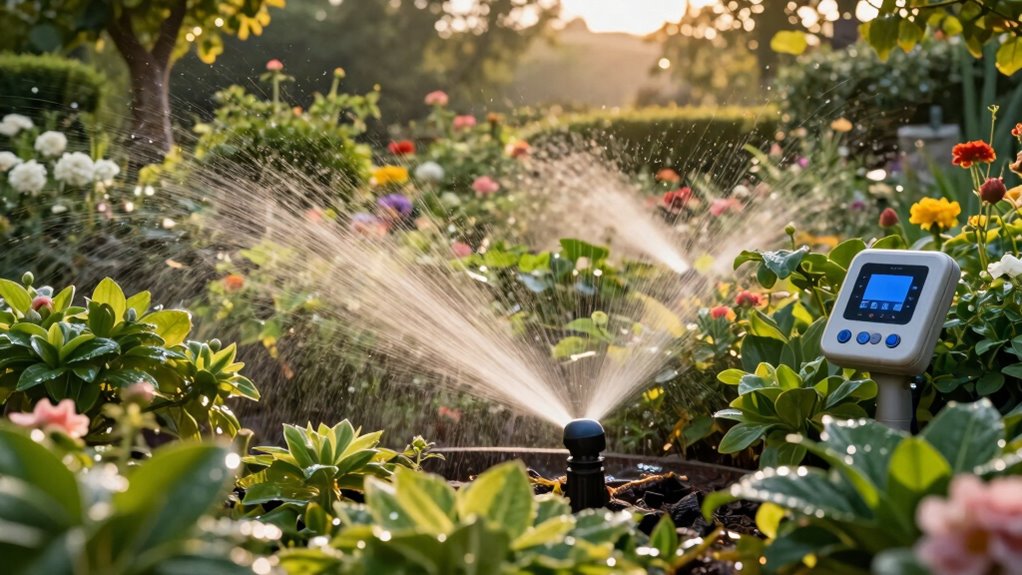

Smart irrigation is more than just a luxury; it’s a smart investment in convenience and sustainability. It uses technology to adjust watering based on weather and soil conditions, reducing water waste and promoting healthier plants. This eco-friendly approach saves you money on water bills and aligns with broader environmental goals. If you want to see how this innovative system can transform your outdoor space and support responsible water use, keep exploring what makes it so impactful.
Key Takeaways
- It offers advanced water management, reducing waste and promoting sustainability beyond basic irrigation needs.
- Enables remote control and automation, providing convenience and peace of mind as a premium feature.
- Contributes to environmental conservation, aligning luxury with eco-friendly practices and responsible resource use.
- Provides data-driven insights for healthier plants and higher crop yields, elevating garden or farm productivity.
- Represents a strategic investment that saves long-term costs on water, maintenance, and operational efficiency.
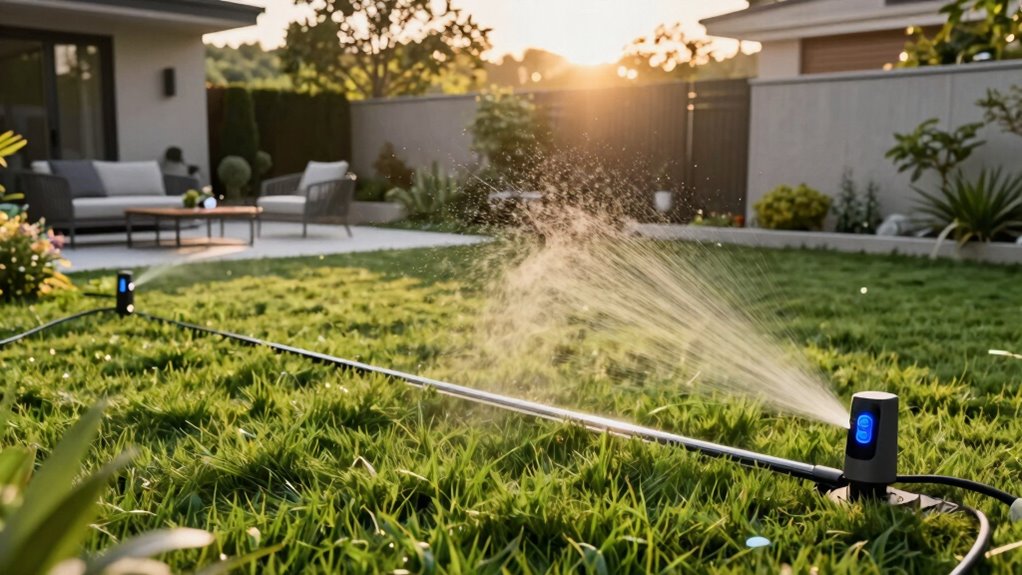
Smart irrigation might seem like a luxury, but it’s quickly becoming a practical investment for those looking to optimize water use and crop yields. When you embrace garden automation, you’re not just adding a high-tech feature; you’re transforming how you manage your outdoor space. Instead of manually watering your plants and risking either overwatering or underwatering, smart systems adjust in real-time based on weather, soil moisture, and plant needs. This means your garden gets just the right amount of water, reducing waste and ensuring healthier plants.
By integrating smart irrigation, you’re actively participating in water conservation efforts. Water is a precious resource, and with these systems, you minimize unnecessary runoff and evaporation. You don’t need to guess or rely on fixed schedules anymore—your system responds to changing conditions, saving water without sacrificing crop productivity. For farmers or avid gardeners alike, this level of precision means more efficient use of every drop, especially during droughts or dry seasons, where every bit of saved water counts.
Garden automation makes this possible by connecting sensors, timers, and controllers that work seamlessly together. You can monitor and control your irrigation from your smartphone or tablet, giving you flexibility and peace of mind. Imagine waking up on a hot summer morning, knowing your system has already adjusted watering times based on recent rainfall or soil moisture levels. This isn’t just about convenience; it’s about making smarter choices that benefit your landscape and the environment.
Furthermore, smart irrigation systems often come with data insights that help you understand your garden’s needs better. Over time, you learn patterns and optimize watering schedules, which can lead to even greater water savings and healthier plants. For commercial growers, these systems translate into increased crop yields and reduced operational costs, reinforcing that what seems like a luxury is actually a wise financial decision. Incorporating water management strategies further enhances the sustainability of your gardening efforts.
In essence, adopting smart irrigation is a move toward sustainability and efficiency. It’s more than just adding a fancy gadget; it’s about making your gardening or farming practices smarter and more responsible. With garden automation, you’re investing in a future where water is used wisely, plants thrive, and your environmental impact is minimized—all while enjoying the convenience of modern technology. Biodiversity and conservation principles further highlight the importance of responsible water management for maintaining healthy ecosystems. Understanding and implementing such systems also align with indoor air quality initiatives by promoting healthier, more sustainable outdoor environments. Additionally, these systems can contribute to climate resilience by reducing water waste during extreme weather conditions. Incorporating advanced water-saving technologies can significantly amplify these benefits, making smart irrigation an indispensable part of sustainable gardening. So, what may have seemed like a luxury at first quickly becomes an essential tool for anyone serious about water conservation and effective garden management.

RAINPOINT Solar WiFi Drip Watering System & WiFi Moisture Sensor Combo Pack
- Solar-Powered Smart Watering: Supports solar charging for easy plant care
- IoT Moisture Monitoring: Uses soil moisture data for intelligent watering
- Offline Watering Capability: Maintains schedules without Wi-Fi or power
As an affiliate, we earn on qualifying purchases.
As an affiliate, we earn on qualifying purchases.
Frequently Asked Questions
How Much Does Smart Irrigation Equipment Typically Cost?
Smart irrigation equipment typically costs between $1,500 and $3,500, depending on the system’s complexity and size. You’ll find that smart technology helps you optimize water conservation by adjusting watering schedules based on weather and soil conditions. While it’s an upfront investment, this technology saves you money in the long run through reduced water bills and healthier landscapes, making it a practical, eco-friendly luxury for your outdoor space.
What Are the Maintenance Requirements for Smart Irrigation Systems?
Think of your smart irrigation system as a garden’s vigilant guardian—requiring just a gentle tune-up now and then. You’ll need to perform water conservation checks and system troubleshooting to guarantee it’s running smoothly. Regularly clean sensors, update software, and inspect for leaks. This upkeep keeps your system efficient, saves water, and keeps your garden thriving, making the luxury of smart irrigation feel like a well-earned reward.
Can Smart Irrigation Be Integrated With Existing Home Systems?
Yes, smart irrigation can easily integrate with your existing home systems. You can customize your landscape settings to optimize water conservation techniques, ensuring efficient watering schedules tailored to your yard’s needs. With compatible smart controllers, you’ll gain control via your smartphone, making landscape customization simple and eco-friendly. This integration helps you save water, reduce costs, and maintain a lush yard, all while seamlessly blending into your current home automation setup.
What Is the Typical Lifespan of Smart Irrigation Technology?
Smart irrigation technology typically lasts around 10 to 15 years, depending on usage and maintenance. During this time, it continuously supports plant health by providing consistent watering and promotes water conservation by adjusting schedules based on weather. You can prolong its lifespan by regular updates and proper care. Ultimately, investing in durable, high-quality systems guarantees your garden stays lush while conserving water efficiently.
Are There Any Government Incentives for Installing Smart Irrigation?
Yes, you can find government rebates and policy incentives for installing smart irrigation systems. Many local, state, or federal programs aim to promote water conservation and sustainable landscaping. By taking advantage of these incentives, you can reduce your upfront costs and make smart irrigation more affordable. Check with your local government or utility providers to see what rebates or policy incentives are available in your area.
Conclusion
Investing in smart irrigation isn’t just about saving water; it’s like giving your garden a personal butler who tends to every need with precision. It’s a luxury move that transforms your outdoor space into a thriving oasis, all while being gentle on the environment and your wallet. When you make this upgrade, you’re not just watering plants—you’re cultivating a smarter, more sustainable way to enjoy your outdoor sanctuary. It’s the kind of upgrade that truly makes a difference.