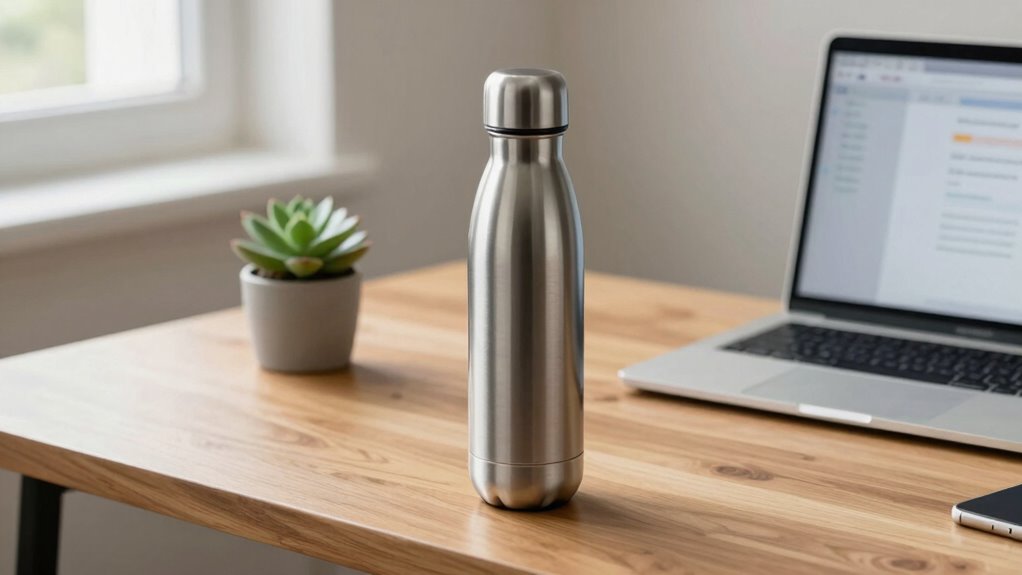

Focusing on fewer, higher-quality products is more effective for sustainability than accumulating numerous eco accessories. Many believe more eco-friendly items lead to greater environmental benefits, but this creates a cycle of constant buying and discarding, which increases waste. Durable, well-made products last longer and reduce your environmental impact. By choosing quality over quantity, you support better resource management and make a more meaningful difference. Stay with us to discover how mindful consumption can truly benefit both you and the planet.
Listen free for 30 days with Audible
Thousands of audiobooks and originals — cancel anytime.
As an affiliate, we earn on qualifying purchases.
Key Takeaways
- Prioritizing fewer, durable products reduces waste and environmental impact compared to frequent replacement of trendy accessories.
- Manufacturing many small eco accessories increases carbon footprint more than producing a few high-quality items.
- Well-made, long-lasting products support sustainable consumption and lessen the cycle of buying and discarding.
- Informed choices based on product lifecycle and durability lead to more meaningful environmental benefits.
- Focusing on quality over quantity encourages mindful consumption and aligns better with sustainability goals.
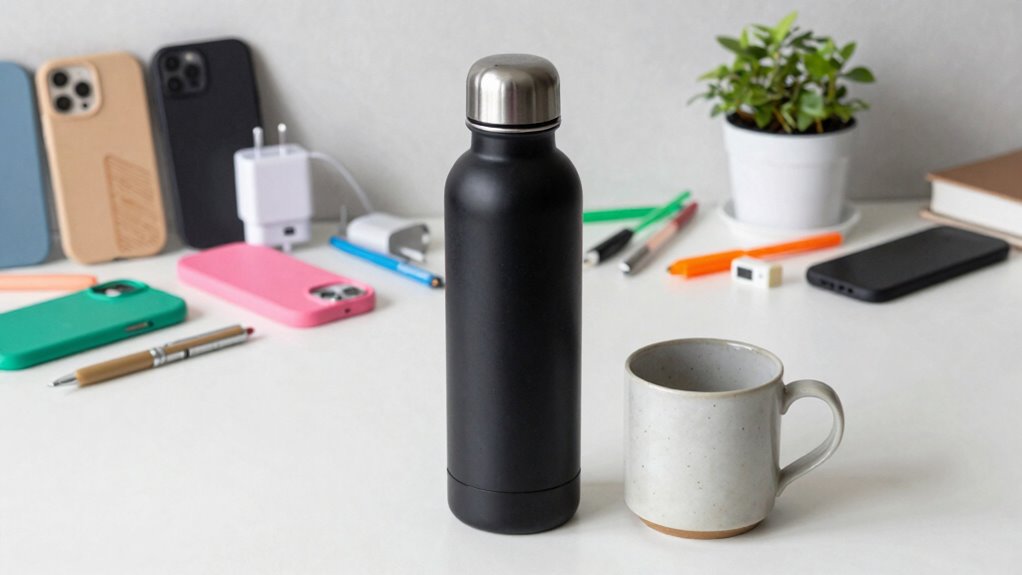
In today’s market, focusing on fewer, higher-quality products often outperforms the appeal of numerous eco accessories. It might seem counterintuitive, but many consumers are misled by sustainability myths that emphasize quantity over quality. These myths suggest that buying more eco-friendly items automatically equals better environmental impact, but that’s not always true. In reality, consumer behavior shows that people tend to be drawn to trendy eco accessories because they promise quick, visible improvements—yet these often fall short of creating lasting change. When you prioritize fewer, more durable products, you reduce waste and lessen the environmental toll associated with constant replacement. This approach encourages mindful consumption, where quality trumps quantity.
Many folks believe that constantly adding new eco accessories—like reusable straws, biodegradable phone cases, or eco-friendly bags—will make a significant difference. But if you’re not careful, this can lead to a cycle of buying and discarding, which undermines the very sustainability goals these accessories claim to support. Consumer behavior reveals that people are more likely to stick with a small set of well-made, sustainable products if they genuinely serve their needs and last over time. This means resisting the urge to chase every new eco gadget that hits the market and instead investing in items that are built to endure. The true impact comes from reducing overall consumption, not just swapping one product for another.
Invest in durable, well-made eco products and reduce unnecessary consumption for real sustainability.
Sustainability myths also perpetuate the idea that more eco accessories automatically benefit the environment. But in reality, manufacturing and shipping countless small items can have a larger carbon footprint than producing a few high-quality products. When you focus on fewer, better products, you make a more meaningful environmental statement. It’s about changing your behavior—buying less, choosing wisely, and caring for what you own. Additionally, product durability plays a crucial role in reducing environmental impact by minimizing waste and resource use. When consumers understand the importance of lifecycle assessment, they can make more informed choices that prioritize sustainability beyond just the initial purchase. By doing so, you not only support better resource management but also set a precedent for others to follow. This shift in consumer behavior helps break the cycle of overconsumption driven by marketing that often oversimplifies sustainability.
Ultimately, the power to make a real difference lies in your choices. Choosing fewer, higher-quality products over a collection of fleeting eco accessories is a smarter, more sustainable approach. It aligns with a deeper understanding of sustainability myths and encourages a mindset that values durability and intentionality. In the end, it’s about making thoughtful decisions that benefit both the planet and your lifestyle, proving that less really can be more when it comes to sustainable living.
durable eco-friendly water bottles
As an affiliate, we earn on qualifying purchases.
As an affiliate, we earn on qualifying purchases.
Frequently Asked Questions
How Do Consumers Prioritize Quality Over Eco-Friendliness?
You prioritize quality over eco-friendliness because you value durability and lasting performance. Consumer trust grows when products consistently meet high standards, making you more loyal to brands that deliver reliable quality. While eco-friendliness is important, you often see it as an added bonus rather than the main factor. Ultimately, you choose products that prove their worth through craftsmanship, strengthening your trust and loyalty to brands that focus on quality first.
Are There Risks in Choosing Fewer Products for Sustainability?
Choosing fewer products for sustainability isn’t risk-free; it could limit your options and mean you rely heavily on a handful of items. However, focusing on high-quality products with longer lifespans boosts resource conservation and reduces waste. While it’s a smart move, be aware of potential drawbacks like reduced variety or adaptability. Ultimately, the risk lies in not balancing your needs with sustainable choices, but the benefits often outweigh the concerns.
How Can Companies Effectively Communicate Product Value?
You can effectively communicate your product’s value through compelling brand storytelling that highlights its unique benefits and sustainability efforts. By sharing authentic stories, you build consumer trust and deepen connections. Be transparent about your eco-friendly practices, emphasizing quality over quantity. Clear, consistent messaging across channels reinforces your brand’s purpose, making it easier for consumers to see why your fewer, better products are a smarter, more sustainable choice.
What Are the Long-Term Environmental Impacts of Fewer Products?
Fewer products promote long-term environmental benefits by enhancing product longevity, meaning you use each item for a longer period. This reduces waste and minimizes resource consumption, supporting resource conservation. When you choose quality over quantity, you lessen the demand for manufacturing new items, which lowers carbon emissions and raw material extraction. Overall, this approach fosters a more sustainable relationship with the environment, helping protect ecosystems and conserve resources for future generations.
How Do Cultural Differences Influence Product Preferences?
You notice that cultural perceptions greatly influence your product preferences, shaping what you value most. In some cultures, durability and practicality matter more, leading you to prefer fewer, high-quality items. Consumer habits also differ; in others, trends or status drive your choices, prompting you to buy more accessories. Understanding these cultural differences helps you make more mindful decisions, choosing products that align with your values and long-term sustainability goals.
Conclusion
Choosing fewer, better products over countless eco accessories means you’re building a sustainable future one mindful choice at a time. Like a well-tuned orchestra, quality products create harmony, while cluttered accessories can drown out your intentions. By focusing on what truly matters, you steer clear of superficial solutions and make a genuine impact. Remember, it’s not about doing everything, but doing the right thing—like planting a single seed that grows into a mighty tree.
Flea & tick season Picks
flea and tick prevention
As an affiliate, we earn on qualifying purchases.