AI-enhanced 3D printing is transforming how you create by offering real-time quality control, process optimization, and predictive maintenance. It detects defects immediately, adjusts parameters dynamically, and prevents costly failures. This technology boosts precision in industries like aerospace and healthcare, speeding up production and reducing waste. Future innovations include space-based bioprinting and digital twin simulations, shaping the next wave of manufacturing. Stay with us to explore how these advancements will redefine creation even further.
Key Takeaways
- AI-driven quality control ensures real-time defect detection, promoting higher precision and faster production in 3D printing.
- Embedded sensors and process optimization enable dynamic adjustments, improving efficiency and accuracy for complex manufacturing tasks.
- Predictive maintenance and digital twins reduce downtime, facilitate rapid prototyping, and lower costs across industries.
- AI enhances medical and dental 3D printing, increasing success rates and streamlining workflows for personalized healthcare solutions.
- Space-based bioprinting and digital twin innovations are set to revolutionize tissue engineering, aerospace components, and future manufacturing paradigms.

Have you ever wondered how artificial intelligence is transforming 3D printing? It’s revolutionizing the way we manufacture, making processes faster, more precise, and incredibly efficient. AI-driven quality control systems now monitor every layer as it’s printed, detecting defects in real time. This means fewer mistakes, less material waste, and more reliable prints. Instead of waiting until the end to find problems, AI algorithms flag anomalies immediately, allowing for quick adjustments. You can think of it as having a vigilant inspector constantly overseeing the production, ensuring that each product meets strict standards without delays. In addition, AI is facilitating the development of standardized protocols across the industry, promoting interoperability and higher quality assurance.
AI quality control monitors each layer in real time, reducing errors and waste for faster, more reliable 3D printing.
AI also optimizes the entire production process by analyzing data from sensors embedded in the machinery. It makes smart, on-the-fly adjustments to parameters like temperature, speed, and material flow. This level of precision is essential for high-stakes industries such as aerospace and medical devices, where even tiny errors can be critical. By continuously fine-tuning the process, AI helps you produce complex, high-quality parts faster than ever before, reducing downtime and boosting overall efficiency. Utilizing vertical storage solutions can further enhance organization in production facilities, allowing for a more streamlined workflow.
Predictive maintenance is another game-changer. Instead of waiting for equipment to break down, machine learning models forecast potential failures before they happen. This means you spend less time dealing with unexpected repairs and more time focusing on innovative design. It streamlines the entire production cycle, ensuring that your 3D printers are always ready when needed. This proactive approach not only cuts costs but also maximizes uptime, giving you a competitive edge in rapid prototyping and mass production.
Furthermore, AI-powered digital twin technology creates virtual replicas of physical 3D printers. These digital twins enable you to run simulations, test new materials, or tweak designs without wasting time or resources on physical prototypes. Rapid prototyping becomes faster and less costly, allowing you to iterate designs quickly and bring ideas to reality with confidence.
In the medical field, AI integration in 3D printing is making a profound difference. For example, printing vascular tissues with AI support has increased graft success rates by up to 35%, thanks to improved durability and fewer complications. The dental industry is also booming, surpassing $3 billion in 2023, with AI streamlining workflows for custom restorations, crowns, and aligners. AI-driven design and production are creating these dental solutions with remarkable speed and accuracy.
Looking ahead, space-based bioprinting and AI systems are opening new frontiers in tissue engineering and regenerative medicine. With AI-enhanced 3D printing, you’re not just witnessing the future—you’re shaping it. This synergy will continue to drive innovation, transforming the way we create everything from tiny medical implants to complex aerospace components, making next year’s innovation talks exciting and full of promise.

ELECQ Power Monitor, Smart Energy Management for Home EV Charging, Active Load Management & Solar Charging Mode to Save on Costly Electrical Upgrades, Wi-Sun Connectivity (Compatible EVSE)
【Active Load Management】 Household distribution panels often have limited capacity, and running multiple appliances while using your EV...
As an affiliate, we earn on qualifying purchases.
Frequently Asked Questions
How Will AI Impact the Cost of 3D Printing in the Future?
AI will considerably lower your 3D printing costs in the future. It boosts efficiency through automation, predictive maintenance, and optimized resource use. AI-driven design reduces development time and material waste, while faster print speeds and better supply chain management cut expenses further. As AI advances and adoption grows, you’ll see even more cost savings, making 3D printing more accessible and scalable across industries like aerospace, healthcare, and automotive.
What Are the Environmental Benefits of Ai-Enhanced 3D Printing?
You’ll see significant environmental benefits with AI-enhanced 3D printing. It reduces waste by using precise material layering and incorporating recycled materials. Energy consumption drops because AI optimizes print speeds and localizes production, cutting emissions. Plus, AI helps develop eco-friendly materials and enables recycling of printed items, supporting a circular economy. Overall, these innovations lead to less pollution, lower resource use, and a smaller carbon footprint in manufacturing processes.
How Secure Is Ai-Integrated 3D Printing Technology From Cyber Threats?
You should know that AI-integrated 3D printing faces significant security risks, with attacks increasing by over 30% annually. Your designs are vulnerable to IP theft, data manipulation, and cyber hijacking, especially as AI expands connectivity. While encryption and blockchain help, gaps remain—like lack of industry standards and detection challenges. To protect your innovations, you must adopt all-encompassing security practices and stay ahead of evolving threats.
Will AI Improve the Speed of 3D Printing Production Processes?
Yes, AI will substantially improve the speed of 3D printing processes. It enables real-time adjustments, optimizes print paths, and manages multiple materials efficiently. AI-driven thermal and flow controls enhance extrusion, while generative design reduces iteration time. Automated workflows and predictive analytics minimize downtime and material waste. Overall, these advancements cut costs and accelerate production, making 3D printing faster, more reliable, and better suited for high-demand industries.
What Industries Will Benefit Most From Ai-Driven 3D Printing Innovations?
You’ll see the biggest benefits in healthcare, aerospace, automotive, and consumer goods. In healthcare, personalized implants and bioprinting could revolutionize patient care. Aerospace and automotive industries will enjoy lighter, stronger parts and faster prototyping. Consumer goods will see customized products and smarter retail displays. These sectors will harness AI-driven 3D printing to cut costs, accelerate innovation, and create solutions once thought impossible, transforming how you design, manufacture, and experience products daily.

SIEMENS Inhab Smart Home Energy Monitor with 16-50Amp Circuit Level Sensors and 2-200Amp Main Sensors for Real Time Electricity Monitoring and Metering
ENERGY MONITOR WITH MOBILE APP (USA and Canada ONLY) – Track current and historical home energy usage 24/7...
As an affiliate, we earn on qualifying purchases.
Conclusion
As you step into this new frontier, AI-enhanced 3D printing becomes your guiding compass, steering the uncharted waters of innovation. It’s like wielding a master artist’s brush, where every stroke is smarter, faster, and more precise. Embrace this synergy, and you’ll forge a future where ideas transform into tangible realities with unprecedented ease. The horizon isn’t just a distant line; it’s a canvas waiting for you to paint the next chapter of creation.

Emporia Vue 3 Home Energy Monitor - Smart Home Automation Module and Real Time Electricity Usage Monitor, Power Consumption Meter, Solar and Net Metering for UL Certified Safe Energy Monitoring
SAFETY YOU CAN TRUST WITH UL CERTIFICATION: With Emporia Energy, your home energy monitoring is safe, reliable, and...
As an affiliate, we earn on qualifying purchases.
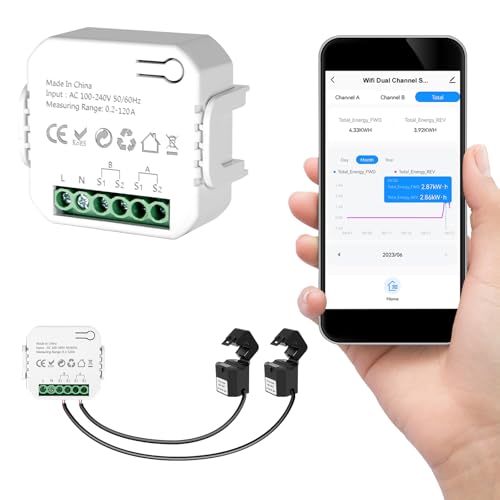
Smart Home Energy Monitor 2×120A, Dual-Channel Real-Time Electricity Usage Monitoring for Household Power, WiFi Energy Meter with App Control, Compatible with Tuya/Smart Life
【Dual-Channel Energy Monitoring】 This smart home energy monitor features two independent high-capacity sensing channels, allowing you to track...
As an affiliate, we earn on qualifying purchases.