
High-value collectibles like art, fine wine, and luxury yachts can be excellent investment assets. By understanding market trends and researching auction results, you can make informed decisions that prevent overpaying. Factors like provenance and condition influence the value of art, while vineyard reputation and vintage quality matter for wine. With luxury yachts, age and maintenance history play key roles. Keep these considerations in mind to enhance your investment strategy and maximize returns. There’s so much more to explore!
Key Takeaways
- Research market trends and past auction results to understand the value and demand for art, wine, and yachts as investment assets.
- Employ proper valuation techniques, considering provenance and condition, to optimize returns on art and collectible investments.
- Monitor comparable sales in online databases to establish benchmarks for pricing high-value collectibles, ensuring informed purchasing decisions.
- Consult legal professionals to navigate regulations, ensuring secure transactions and protecting investments in collectibles.
- Engage with experts and enthusiasts through clubs or forums for insights into market conditions and valuation nuances in collectible investments.
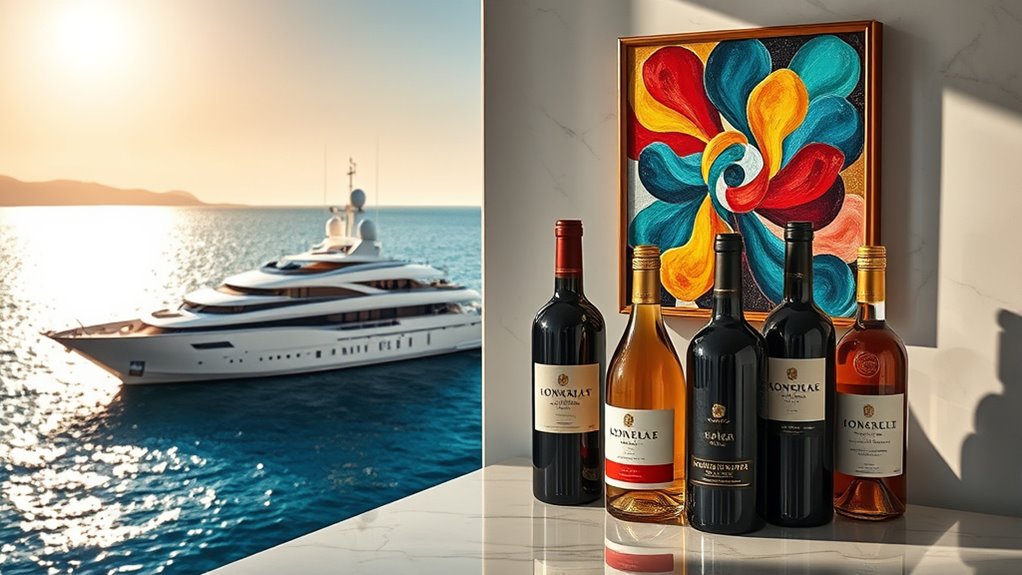
When it comes to investing, high-value collectibles can be a thrilling yet strategic choice. You might find yourself drawn to art, fine wine, or luxury yachts, each offering unique opportunities for appreciation and profit. But diving into this world isn’t just about passion; it requires a solid understanding of auction strategies and valuation techniques to make smart investments.
To start, consider the auction strategies you can employ to acquire these collectibles. Attending auctions can be exhilarating, but it’s essential to enter with a game plan. Research the auction house’s past sales and the specific items on the block. Knowing the market can give you an edge. For instance, if you’re bidding on a piece of art, familiarize yourself with similar works’ auction prices and artist reputations. This knowledge will help you avoid overpaying and increase your chances of snagging a gem at a fair price.
Entering an auction without a strategy can lead to overspending; research is key to securing valuable collectibles.
Valuation techniques are equally important. Understanding how to assess a collectible’s worth can save you money and enhance your portfolio. For art, consider factors like provenance, condition, and market demand. You can use online databases and auction results to gauge what similar pieces have sold for in the past, giving you a clearer picture of current market values. For fine wine, knowing the vineyard’s reputation, vintage quality, and global market trends is essential. You might even want to consult experts or appraisers who specialize in your area of interest.
When it comes to luxury yachts, valuation takes on a different dimension. Factors such as age, brand, condition, and maintenance history can greatly influence a yacht’s market value. Joining yacht clubs or online forums can connect you with other enthusiasts and provide insights into current trends and pricing. Additionally, understanding the importance of legal and professional considerations during transactions can safeguard your investments and ensure compliance with regulations.
art investment appraisal tools
As an affiliate, we earn on qualifying purchases.
As an affiliate, we earn on qualifying purchases.
Frequently Asked Questions
How Do I Start Investing in High-Value Collectibles?
To start investing in high-value collectibles, you need to research the market valuation of different items. Begin by identifying what interests you, whether it’s art, wine, or something else. Next, verify the provenance of each piece to guarantee its authenticity and history. Connect with reputable dealers and attend auctions to gain insights. Finally, be patient and ready to learn, as the collectible market can be unpredictable yet rewarding.
What Are the Risks Associated With Collectible Investments?
When you invest in collectibles, you face several risks. Market volatility can notably affect the value of your items, leading to potential losses. Additionally, counterfeit risks are a real concern; it’s essential to guarantee your investments are authentic. Without proper research and verification, you might end up with worthless pieces. Always stay informed and consider consulting experts to mitigate these risks and protect your investment.
Are There Tax Implications for Selling Collectibles?
When you sell collectibles, it’s like unearthing buried treasure, but beware of the tax implications lurking beneath. You’ll face capital gains taxes on any profit, which can eat into your earnings if you’re not careful. It’s vital to track your purchase prices and expenses, as this can help reduce your taxable profit. Just like a seasoned sailor steering stormy seas, understanding these tax rules can keep your financial voyage smooth.
How Can I Authenticate My Collectible Items?
To authenticate your collectible items, start by using various authentication techniques, like expert appraisals or forensic analysis. You can also check for signatures or markings typical of genuine pieces. Provenance verification is essential; research the item’s history and previous ownership to confirm its legitimacy. Stay informed about industry standards and consult trusted professionals if you’re unsure. This will help you confidently verify the authenticity of your collectibles and protect your investment.
What Storage Options Are Best for Preserving Collectibles?
Imagine a treasure chest, holding your most prized possessions. To keep them safe, you’ll want climate-controlled storage. This guarantees that temperature and humidity stay just right, preserving their beauty. Don’t forget about security measures; sturdy locks and alarms are your guardians against unwanted visitors. By choosing wisely, you’re not just protecting items; you’re safeguarding memories, investments, and the stories they tell. After all, every treasure deserves a secure home!

Franmara 6136-BU The World of Wine Wheel & Food Matching Guide
Made in China
As an affiliate, we earn on qualifying purchases.
As an affiliate, we earn on qualifying purchases.
Conclusion
In the ever-shifting landscape of investment, high-value collectibles like art, wine, and yachts beckon like sirens, promising both beauty and profit. You’re not just acquiring assets; you’re weaving a tapestry of passion and prestige. These treasures can sparkle in your portfolio, reflecting your unique taste and vision. So, as you navigate this alluring world, remember that each piece tells a story, inviting you to embrace the adventure of collecting while securing your financial future.
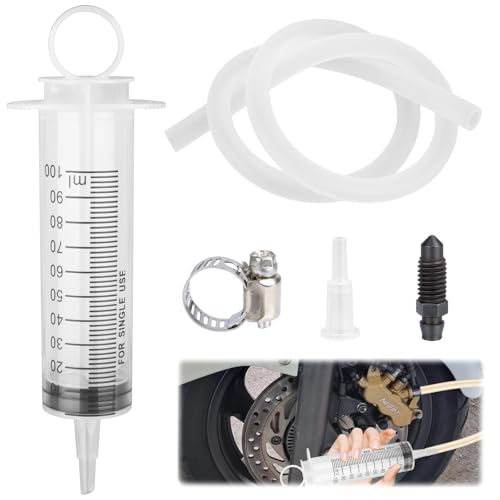
Sixzoo Motorcycle Brake Bleeder Kit, Hydraulic Disc Brake Bleeding Kit with 100ML Syringe 50cm Hose, Reverse Brakes Bleeder, Brakes Fluid Flush Kits for Motorcycle Cars Scooters Repair Maintenance
Efficient Air Bleeding: Featuring a practical design for easy operation, equipped with a transparent tube enabling clear visibility…
As an affiliate, we earn on qualifying purchases.
As an affiliate, we earn on qualifying purchases.

The Book Thief
Paperback
As an affiliate, we earn on qualifying purchases.
As an affiliate, we earn on qualifying purchases.