
This checklist is for anyone setting up a desk for AI tools and automation, from frequent voice users to people who want a more adaptable input setup. Start with the tasks you do most, then choose gear that supports your daily workflow and workspace needs.

Get business pricing on tech for your team
- Business-only prices and quantity discounts
- Tax-exempt purchasing
- Multiple users, one account, clear invoices
The sections follow practical desk roles: audio, shortcuts, connectivity, storage, video, and power. Each one pairs a named pick with general buying guidance; the webcam section offers selection advice without naming a product.
Use the checklist to compare your current setup with the role each item would fill. Check your computer’s available connections, your desk space, and how you expect to use the gear before choosing. Prioritize compatibility and useful features over filling every slot.
USB Microphone
A dedicated microphone can be useful when your workflow includes calls, voice notes, or spoken input. The pick here is the RØDE PodMic USB Dynamic Broadcast Microphone, XLR + USB-C. Its product name identifies both XLR and USB-C connections, so consider which connection you intend to use and whether your computer or other audio equipment supports it. The right choice depends on the rest of your setup and the way you work.
A common mistake is choosing by product category alone without checking the connection path. Before buying, note the ports on the computer and any equipment you plan to connect. Also consider where the microphone will sit: measure the available desk area and check whether its placement would interfere with your keyboard, screen, or other frequently used items. If you expect to move it between work locations, think through how you will carry and reconnect it.
Match the microphone to your routine, not an imagined studio setup. For frequent voice work, make sure the connection and placement fit your normal desk arrangement. If you only need occasional audio, consider whether a separate microphone fills a real gap. A quick inventory of ports, placement, and voice tasks can help you decide whether this slot belongs on your checklist.
What to look for:
- A connection that matches your computer or audio equipment
- Enough desk space for your intended placement
- A setup that suits calls, voice notes, or spoken input
- A practical way to route and manage connected cables
- A microphone position that leaves key desk controls accessible
RØDE PodMic USB Dynamic Broadcast Microphone, XLR + USB-C
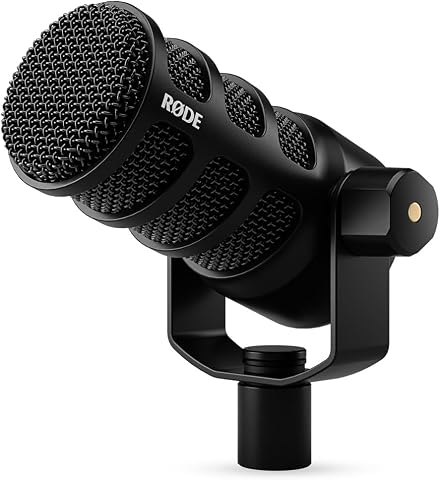
The RØDE PodMic USB is a versatile broadcast microphone with both XLR and USB-C connections, suitable for streaming, podcasts, and recording. It features onboard audio processing with APHEX DSP, noise rejection for speech clarity, and zero-latency monitoring for real-time audio feedback.
Pros:
- Versatile XLR and USB-C connectivity for flexible setup
- Built-in audio processing enhances sound quality
- Effective noise rejection for clear speech
- Zero-latency monitoring for real-time audio
Cons:
- May require additional equipment for professional XLR use
- Bulkier design compared to traditional microphones
Best for: People whose setup can use USB-C or XLR
Not ideal for: Anyone who has not checked their connection needs
Bottom line: Choose the RØDE PodMic USB if its listed connections and your planned placement fit your workflow.
Programmable Macro Pad
A programmable macro pad can give repeated actions a dedicated place on the desk. The pick is the X-keys XK-24 Programmable USB Keyboard, 24 Keys, Black and White. Its name specifies 24 keys and a USB connection, which gives you concrete details to compare with the actions you want at hand. Think through the tasks you repeat before deciding how much dedicated input space makes sense.
A common buying mistake is assuming that more keys automatically improve a workflow. List the shortcuts or actions you expect to use often, then consider whether they are stable enough to deserve physical keys. Also check the available USB connection and the pad’s intended position. Measure the desk area where it would sit, and make sure its placement will not crowd your main keyboard or obstruct access to other controls. A layout that is easy to reach matters more than one that is merely available.
Plan for how you will remember and maintain your chosen assignments. If actions change often, consider whether the programming approach will be comfortable for you to update. If several actions are used only occasionally, decide whether they justify a dedicated control. The useful fit is the one that supports a clear set of repeatable actions and remains easy to use within your desk layout.
What to look for:
- Enough keys for the actions you plan to assign
- A USB connection compatible with your computer
- A position that is easy to reach during normal work
- A programming approach you can maintain as tasks change
- A footprint that fits beside your primary keyboard
X-keys XK-24 Programmable USB Keyboard, 24 Keys, Black and White

The X-keys XK-24 is a compact USB keyboard with 24 programmable, relegendable keys and individual white backlighting. Assign keys to macros, shortcuts, applications, tools, or files; it supports Windows and macOS, and Linux users should pre-program it in Hardware Mode.
Pros:
- 24 programmable, relegendable keys
- Individual white backlighting
- Supports macros, shortcuts, applications, tools, and files
- Compatible with Windows, macOS, and Linux with pre-programming
Cons:
- Linux users need to configure Hardware Mode before use
Best for: People with a stable set of frequent actions
Not ideal for: Anyone without clear, repeatable shortcuts
Bottom line: Choose the X-keys XK-24 when its 24-key layout and USB connection suit your routine.
USB-C Docking Station
A docking station can help organize a desk where several connections are part of the daily setup. The listed pick is the Anker Prime DL7400 14-in-1 DisplayLink Docking Station. Its name identifies it as a 14-in-1 DisplayLink docking station, but the name alone does not establish whether it supports every device or display arrangement you have in mind. Check the dock’s specifications against your actual computer and peripherals before choosing.
A common mistake is counting advertised connections without checking what each one does or whether the computer supports the intended arrangement. Write down the devices you need to connect, their connectors, and any display requirements. Then compare that list with the dock documentation and your computer’s capabilities. Confirm how the dock connects to the computer and whether the DisplayLink approach fits your operating system and intended use. Leave room for the dock and cables so they do not crowd the work surface.
Think about the setup you need at the desk and what you want to disconnect when leaving it. Check that the dock’s documented capabilities align with that routine rather than relying on the product name alone. If you use multiple displays or specialized peripherals, verify those combinations specifically. A good match comes from a complete port inventory, careful compatibility checks, and enough space to keep the connected equipment accessible.
What to look for:
- Documented support for your computer and operating system
- The specific connections required by your peripherals
- Display support that matches your intended arrangement
- A computer connection that fits your setup
- Enough desk room for the dock and connected cables
Anker Prime DL7400 14-in-1 DisplayLink Docking Station

This docking station connects up to three 4K displays and offers USB-C, USB-A, HDMI, DisplayPort, Ethernet, audio, and SD/TF card ports. It supports laptop charging up to 140W, with a built-in display and fan for monitoring and cooling.
Pros:
- Supports up to three 4K external displays
- Provides up to 140W laptop charging
- Broad selection of ports, including 2.5Gbps Ethernet
- Built-in smart display and fan cooling
Cons:
- Requires a DisplayLink driver for triple-display use
- DRM-protected streaming may show a black screen
- Front USB-C ports do not support video output
Best for: People connecting several compatible desk devices
Not ideal for: Anyone buying before checking device support
Bottom line: Choose the Anker Prime DL7400 only after its documented connections match your computer and peripherals.
Portable SSD
External storage can be useful when your workflow involves keeping project files together or moving them between compatible devices. The pick is the Samsung T9 Portable SSD 4TB. Its name identifies it as a portable SSD with 4TB of storage; verify the full specifications and connection details before relying on it for a particular computer or workflow. Consider which files you plan to store and how you will organize them.
A common mistake is treating capacity as the only decision point. Check that the drive’s connection works with the devices you intend to use, and confirm that the storage format suits your operating systems and applications. Think through whether files need to be accessible from more than one device, and how you will keep the contents organized. For work files, decide on a backup routine rather than assuming one portable drive is a complete backup plan.
Portability also affects daily use. Consider where the drive will live when connected, how it will be stored when not in use, and whether you need to carry it between locations. Keep the cable and drive accessible without letting them clutter the workspace. The practical fit is a drive whose capacity, connections, and file-handling routine match your actual projects. Confirm compatibility before moving important files onto it.
What to look for:
- Capacity appropriate for the files you plan to keep
- A connection compatible with each intended device
- A file format that works with your operating systems
- A storage and organization routine you can maintain
- A safe, convenient place for the drive and its cable
Samsung T9 Portable SSD 4TB
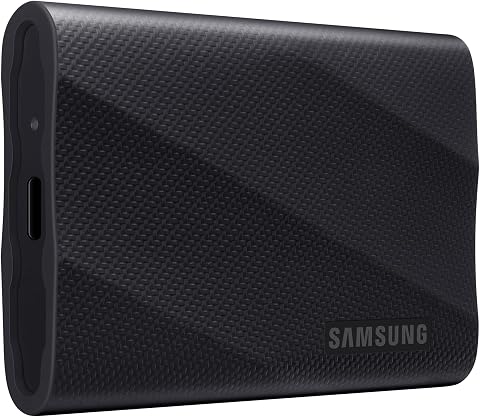
The Samsung T9 Portable SSD offers up to 4TB of storage with sustained read and write speeds of up to 2,000 MB/s via USB 3.2 Gen 2×2. It features Dynamic Thermal Guard to manage heat during heavy use and includes AES 256-bit hardware encryption for security.
Pros:
- Extremely fast transfer speeds up to 2,000 MB/s
- High capacity of 4TB suitable for large media projects
- Advanced thermal management keeps the drive cool during heavy use
- Broad compatibility with modern devices including iPhone and gaming consoles
Cons:
- Maximum speeds require specific USB 3.2 Gen 2×2 host support
- Enclosure material details are not specified
Best for: People who need a portable place for work files
Not ideal for: Anyone who has not confirmed device compatibility
Bottom line: Choose the Samsung T9 Portable SSD 4TB when its capacity and documented connections fit your file workflow.
Webcam with Autofocus
A webcam with autofocus may suit a desk where you want video calls to fit naturally into the workday. There is no named product for this slot, so compare models by their documented features and compatibility. Start by checking the computer connection and the video calling software you use. Then consider where the camera will sit, whether that position works with your screen, and how often you expect to use it. The goal is a setup that feels straightforward to keep ready.
A common mistake is focusing on a feature label without checking how the camera fits the actual desk. Review manufacturer information for autofocus behavior, supported connections, and operating system compatibility. Consider the camera’s mounting options and whether they suit your monitor or another planned position. If you use a privacy cover or move the camera between locations, include those habits in your decision. Make sure the camera’s placement does not block your view or interfere with other equipment.
Think about the image framing you need for your calls and whether your usual seating position stays within it. Check that the camera can be connected and positioned without awkward cable routing. If multiple people or locations are involved, consider how easily you can adjust the setup between uses. A strong choice balances autofocus behavior, dependable compatibility, and convenient placement. Verify specific capabilities in product documentation instead of assuming every webcam labeled autofocus behaves the same way.
What to look for:
- Documented autofocus behavior that suits your calls
- Compatibility with your computer and calling software
- A mount that fits your monitor or planned position
- A connection and cable route that work at the desk
- Framing suited to your usual seating position
Smart Power Strip
A smart power strip can bring several desk devices into one planned power location. The named pick is the Kasa Smart Plug Power Strip HS300, Smart Outlet, No Hub Required. Its name describes it as a smart outlet power strip and says no hub is required. Check its documentation for the connections, controls, and requirements that matter to your household and devices before deciding whether it belongs in your setup.
A common mistake is choosing a power strip without first listing what will plug into it. Check each device’s power needs and the strip’s documented limits, then make sure the intended combination is appropriate. Consider where the strip will sit, whether its cable can reach safely, and whether you can access any controls you expect to use. Avoid placing it where it will be difficult to inspect or where the connected cords create a tangle around your work area.
For smart features, review the manufacturer’s setup requirements and confirm they fit your home network and preferred way of controlling devices. Do not assume that a no-hub label answers every compatibility question; check the current documentation for your intended use. Decide which devices, if any, you want associated with the strip’s smart controls. A practical choice brings together power requirements, convenient placement, and a control setup you understand before connecting desk equipment.
What to look for:
- Documented power limits suited to the devices you plan to connect
- A cable length and outlet location that fit the desk
- Accessible controls and a manageable cord layout
- Setup requirements compatible with your network and devices
- Clear documentation for the smart functions you intend to use
Kasa Smart Plug Power Strip HS300, Smart Outlet, No Hub Required

The Kasa HS300 is a Wi‑Fi power strip with six individually controllable outlets and three built‑in USB ports for charging devices. It includes ETL‑certified surge protection, energy monitoring via the Kasa app, and voice control through Alexa, Google Assistant or Microsoft Cortana.
Pros:
- Independent control of each outlet via the Kasa app
- Built‑in surge protection safeguards connected devices
- Energy monitoring lets you track power usage per outlet
- Works with Alexa, Google Assistant and Microsoft Cortana for voice control
Cons:
- Requires a compatible smartphone and Wi‑Fi connection to use the app
- USB ports limited to 5 V/2.4 A each, which may be insufficient for high‑power devices
Best for: People consolidating compatible desk devices
Not ideal for: Anyone who has not checked device power needs
Bottom line: Choose the Kasa HS300 after confirming its documented limits and smart setup fit your devices.
Build the setup in a budget-first order by starting with the gap that most interrupts your work. Check existing gear and connections before replacing anything, then prioritize the item that supports your most frequent task. Add other slots only when they solve a clear need, and verify compatibility before committing to a new connection or accessory.
A useful desk is one that supports the way you actually work. You can begin with a single change, live with the setup, and adjust as your tasks become clearer. Keep this checklist nearby, trust your own workflow, and choose the practical fit that makes your desk easier to use.
Fall Picks
fall essentials
As an affiliate, we earn on qualifying purchases.