AI home automation devices are transforming how we manage our living spaces, offering smarter, more responsive control over lights, appliances, and security. The iSG Box SE Smart Home Hub stands out as the best overall choice for its seamless integration and robust automation features. For those seeking affordability, the Meross Presence Sensor MS605 offers reliable motion detection without breaking the bank. Meanwhile, the SwitchBot AI Hub delivers local processing for privacy-conscious users. These options highlight the main tradeoffs: accessibility versus advanced features, local control versus cloud reliance. Keep reading to see how these devices compare and which best suit your needs.
Key Takeaways
- The best devices prioritize seamless integration with popular ecosystems like HomeKit, Alexa, and Google Assistant.
- Local AI processing enhances privacy but often comes with a steeper setup or higher cost.
- Versatility in automation and sensor support is key for customizing your smart home experience.
- Entry-level options tend to focus on specific functions, while premium picks offer comprehensive automation control.
- Compatibility and ease of setup remain the biggest hurdles for most users, influencing overall satisfaction.
| iSG Box SE Smart Home Gateway with Zigbee Bundle |  | Best Overall Hub for Flexibility and Local Control | Compatibility: 2,500+ brands, Matter, Zigbee, Z-Wave | Built-in: Home Assistant, HomeKit Bridge | Expansion: Supports Zigbee USB stick, Z-Wave USB stick sold separately | VIEW LATEST PRICE | See Our Full Breakdown |
| Meross Presence Sensor MS605, IP67 Battery-Powered, Matter Over Thread |  | Best Sensor for Accurate Presence Detection Outdoors | Power Source: Battery Powered | Maximum Range: 6 meters | Mounting Type: Wall Mount | VIEW LATEST PRICE | See Our Full Breakdown |
| Local AI Voices Command Processor for Home Automation Systems |  | Best Offline Voice Recognition Module for Privacy-Conscious Projects | Recognition Range: 3-5 meters | Power Consumption: 1mA standby | Size: 2.1×1.50cm | VIEW LATEST PRICE | See Our Full Breakdown |
| SwitchBot AI Hub with OpenClaw Support and Local Storage |  | Best Hub for Camera Integration and Context-Aware Automation | OpenClaw Support: Yes | MicroSD Card Included: 16GB | MicroSD Expandable: Up to 1TB | VIEW LATEST PRICE | See Our Full Breakdown |
| iSG Box SE Smart Home Hub with Preinstalled Home Assistant |  | Best Preconfigured Hub for Advanced Automation and Privacy | Compatibility: Supports 2,500+ brands, Matter, Zigbee, Z-Wave | Pre-installed Software: Home Assistant, HACS, integrations | Connectivity: Requires separate Zigbee/Z-Wave USB stick | VIEW LATEST PRICE | See Our Full Breakdown |
| THIRDREALITY Presence Sensor R2, 24GHz mmWave Radar, Zigbee Hub Required |  | Best for Precise, Environmental-Resilient Presence Detection | Technology: 24GHz mmWave Radar | Power: Battery Powered (3 AA batteries) | Connectivity: Zigbee 3.0 | VIEW LATEST PRICE | See Our Full Breakdown |
| iSG Box SE Smart Home Gateway with Home Assistant & HomeKit Bridge |  | Best for Versatile, Advanced Automation with Local Control | Compatibility: 2,500+ brands, Matter, Zigbee, Z-Wave, HomeKit, Alexa, Google Assistant | Pre-installed Platform: Home Assistant | Expansion: Supports USB sticks for Zigbee/Z-Wave (sold separately) | VIEW LATEST PRICE | See Our Full Breakdown |
| 2 Pack HomeKit WiFi Relay Switch, Smart Mini Wireless Light Switch with Voice Control |  | Best for Apple Ecosystem Users Needing Easy Remote Control | Compatibility: Apple HomeKit, Alexa, Google Assistant | WiFi Frequency: 2.4GHz | Max Load: 16 A | VIEW LATEST PRICE | See Our Full Breakdown |
| Third Reality Voice/Music Assistant Dev Edition – Preloaded with Home Assistant Voice and Music Assistants |  | Best for DIY Enthusiasts and Developers | Connectivity Technology: Wi-Fi | Compatible Devices: Home Assistant | Operating System: Linux | VIEW LATEST PRICE | See Our Full Breakdown |
| 4-Channel WiFi Smart Switch Relay Module with TUYA/Smart Life App |  | Best for DIY Projects and Multi-Device Control | Connector Type: Screw | Contact Type: Normally Open | Mounting Type: Panel Mount | VIEW LATEST PRICE | See Our Full Breakdown |
| Home Assistant Smart Home Hub with Advanced Automation |  | Best for Tech-Savvy Customization | Processor: 64-bit Quad-Core Cortex-A53 | RAM: 4GB SDRAM | Storage: 64GB eMMC | VIEW LATEST PRICE | See Our Full Breakdown |
More Details on Our Top Picks
iSG Box SE Smart Home Gateway with Zigbee Bundle
The iSG Box SE stands out for its extensive compatibility with over 2,500 brands and protocols, including Matter, Zigbee, and Z-Wave, making it ideal for users with diverse smart home devices. Unlike the iSG Box SE with preinstalled Home Assistant, this version offers a plug-and-play approach without preloaded automation, giving users the freedom to customize. Its built-in Home Assistant and local-first architecture provide fast responses and enhanced privacy, though setting up multiple USB sticks can be complex for newcomers. The device’s support for local control is a significant advantage over cloud-dependent hubs, but the separate purchase of Z-Wave USB sticks adds to the initial cost. Overall, this hub is best suited for advanced users seeking broad compatibility and local automation without monthly fees.
Pros:- Universal compatibility with a vast range of brands and protocols
- Built-in Home Assistant for advanced automation and customization
- Supports local control for privacy and fast responses
Cons:- Z-Wave USB stick sold separately, increasing initial cost
- Setup can be complex for users unfamiliar with smart home hubs
Best for: Homeowners with a diverse array of smart devices and technical skills to handle complex setup.
Not ideal for: Beginners seeking a simple, out-of-the-box solution with minimal configuration.
- Compatibility:2,500+ brands, Matter, Zigbee, Z-Wave
- Built-in:Home Assistant, HomeKit Bridge
- Expansion:Supports Zigbee USB stick, Z-Wave USB stick sold separately
- Connectivity:Wi-Fi, local network
- Control:Voice, smartphone, TV, web app
- Privacy:Local-first architecture
Our verdict“This device makes the most sense for tech-savvy users who need a highly flexible, privacy-focused smart home hub with broad compatibility.”
Meross Presence Sensor MS605, IP67 Battery-Powered, Matter Over Thread
The Meross MS605 Presence Sensor excels in reliably detecting human presence, even when stationary, thanks to its AI-driven sensors. Compared to the Local AI Voices Command Processor, which offers instant voice responses, this sensor provides precise spatial awareness, making it ideal for automating lighting or security in outdoor or harsh environments. Its support for Matter over Thread ensures seamless integration into modern smart homes while maintaining local control. The 3-year battery life and waterproof IP67 rating add to its appeal for outdoor use, though its detection range is limited to 6 meters, which could be a constraint for larger spaces. This sensor suits users who prioritize accurate presence detection for safety or energy savings.
Pros:- Accurate AI-driven detection even when stationary
- Supports Matter over Thread for easy integration
- Waterproof IP67 rating suitable for outdoor deployment
- Long 3-year battery life
Cons:- Detection range limited to 6 meters
- Firmware updates required for optimal Alexa control
- Setup may be complex with multiple platform integration
Best for: Homeowners needing outdoor or indoor presence detection with long-lasting, reliable sensors.
Not ideal for: Users seeking extensive automation beyond presence detection, or those with large open spaces exceeding 6 meters range.
- Power Source:Battery Powered
- Maximum Range:6 meters
- Mounting Type:Wall Mount
- Battery:CR123A (included)
- Battery Life:3 years
- Waterproof Rating:IP67
Our verdict“This sensor is best for users who need precise, durable presence detection in outdoor or demanding environments.”
Local AI Voices Command Processor for Home Automation Systems
The Local AI Voices Command Processor offers instant, private voice command processing without needing an internet connection. Unlike cloud-based systems like Alexa, this module ensures data remains local, which is a major advantage for privacy-focused setups. Its support for 30+ commands and simple interfaces like UART and GPIO makes it ideal for DIY automation and rapid prototyping, especially in environments where latency matters. However, its limited command capacity and 3-5 meter recognition range mean it’s best suited for simple tasks rather than complex voice interactions. Noise levels above 60dB can reduce recognition accuracy, so this option works best in quiet settings or controlled environments. This pick makes the most sense for developers and hobbyists prioritizing privacy and low latency.
Pros:- Offline processing preserves privacy and enhances security
- Low power consumption suitable for battery-powered devices
- Supports multiple customizable commands via standard interfaces
- Compact, durable PCB design for DIY integration
Cons:- Limited to about 30 commands, restricting complexity
- Recognition affected by ambient noise levels
- Manual customization required for advanced tasks
Best for: Hobbyists building custom voice-activated projects or privacy-conscious smart home systems.
Not ideal for: Users needing extensive voice commands or operation in noisy environments, or those seeking turnkey solutions.
- Recognition Range:3-5 meters
- Power Consumption:1mA standby
- Size:2.1×1.50cm
- Interfaces:UART, I2C, GPIO
- Built-in AI:Yes
- Response Time:<0.5s
Our verdict“This module is best for developers and privacy-focused users developing simple, fast voice control systems without internet dependence.”
SwitchBot AI Hub with OpenClaw Support and Local Storage
The SwitchBot AI Hub distinguishes itself through its support for OpenClaw, enabling integrated control over cameras and devices, and local storage via a 16GB MicroSD card. Compared with the iSG Box SE with preinstalled Home Assistant, this hub emphasizes camera control and context-aware automation, making it ideal for security setups. Its ability to support external storage up to 1TB and expand further enhances its utility for event logging. However, its AI features require a subscription, and it does not support IR control, limiting compatibility with traditional home entertainment devices. The inclusion of pre-installed Home Assistant and Matter Bridge broadens its integrations, but its focus on cameras and AI automation makes it less suitable for users primarily seeking simple device control or voice automation.
Pros:- Supports OpenClaw for integrated camera and device control
- Includes 16GB MicroSD card, expandable to 1TB
- Pre-installed with Home Assistant and Matter Bridge
- Supports faster local automations for supported devices
Cons:- AI features require a separate subscription
- No IR control support for TVs or air conditioners
- Limited compatibility outside supported cameras and devices
Best for: Home security enthusiasts and automation users wanting integrated camera control and local event storage.
Not ideal for: Those looking for comprehensive IR control or simple voice automation, as AI features require additional subscriptions.
- OpenClaw Support:Yes
- MicroSD Card Included:16GB
- MicroSD Expandable:Up to 1TB
- External Storage Support:Up to 16TB
- Supported Cameras:SwitchBot cameras, Video Doorbell, RTSP cameras
- Home Assistant Pre-installed:Yes
Our verdict“This hub is best for users seeking advanced camera integration and local event storage within a customizable automation platform.”
iSG Box SE Smart Home Hub with Preinstalled Home Assistant
The iSG Box SE with preinstalled Home Assistant offers a high level of automation flexibility, supporting over 2,500 brands and protocols including Matter, Zigbee, and Z-Wave. Unlike the non-preloaded version, this model simplifies initial setup with Home Assistant already installed, making it accessible for users comfortable with advanced automation. Its local control architecture guarantees quick responses and privacy, especially compared to cloud-dependent hubs. However, the need to purchase separate Zigbee or Z-Wave USB sticks adds cost, and the complexity of the platform may overwhelm beginners. This device is ideal for experienced users who want a comprehensive, privacy-centric hub with broad device support but are prepared to handle a more involved setup process.
Pros:- Supports a wide range of devices and protocols
- Pre-installed with Home Assistant and integrations
- Local control ensures quick response and privacy
- Built-in HomeKit bridge for Apple ecosystem integration
Cons:- Requires separate purchase of Zigbee or Z-Wave USB sticks
- May be complex for users unfamiliar with automation platforms
- No included USB sticks for protocols
Best for: Advanced home automation enthusiasts who want a versatile, preconfigured hub without monthly fees.
Not ideal for: Beginners or users seeking simple, plug-and-play solutions with minimal configuration.
- Compatibility:Supports 2,500+ brands, Matter, Zigbee, Z-Wave
- Pre-installed Software:Home Assistant, HACS, integrations
- Connectivity:Requires separate Zigbee/Z-Wave USB stick
- HomeKit Integration:Built-in bridge
- Control:Local-first, voice, app
- Remote Access:Lifetime, no fees
Our verdict“This hub makes the most sense for experienced users wanting a powerful, privacy-focused automation platform with extensive device support.”
THIRDREALITY Presence Sensor R2, 24GHz mmWave Radar, Zigbee Hub Required
The THIRDREALITY Presence Sensor R2 stands out for its advanced 24GHz mmWave radar technology, which reliably detects human presence through non-metallic materials regardless of lighting or environmental conditions. Compared with the Meross Presence Sensor MS605, which relies on traditional motion detection, the R2 offers superior accuracy in complex setups, but it requires a Zigbee hub, making it less straightforward for those without existing infrastructure. Its AI-enhanced detection and adjustable sensitivity significantly reduce false triggers, ideal for automations like lighting or security. However, it may still be triggered by strong, repetitive motions such as fans, and its dependency on Zigbee limits compatibility to selected ecosystems. This pick makes the most sense for users who need dependable detection unaffected by environmental factors and already have or plan to use Zigbee hubs.
Pros:- Reliable detection through non-metallic materials unaffected by light or environmental changes
- Easy to install anywhere without wiring or external power outlets
- Adjustable sensitivity and AI-enhanced detection reduce false triggers
- Seamless integration with popular smart home ecosystems
Cons:- Strong or repetitive motion like fans may still trigger detection
- Requires a Zigbee hub for full functionality
- Limited to compatible smart home platforms
Best for: Homeowners seeking highly accurate presence detection that works through obstacles and environmental changes, especially in larger or cluttered spaces.
Not ideal for: Casual users without a Zigbee hub or those seeking a simple plug-and-play sensor with minimal setup.
- Technology:24GHz mmWave Radar
- Power:Battery Powered (3 AA batteries)
- Connectivity:Zigbee 3.0
- Compatibility:Home Assistant, SmartThings, Homey, Echo devices with Zigbee hub
- Sensitivity Levels:5 adjustable levels
- Detection Range:Through non-metallic materials like wood and glass
Our verdict“This sensor is best suited for users who prioritize accuracy and environmental resilience in presence detection, with existing Zigbee infrastructure.”
iSG Box SE Smart Home Gateway with Home Assistant & HomeKit Bridge
The iSG Box SE offers broad compatibility across over 2,500 brands and protocols, including Matter, Zigbee, and Z-Wave, making it an excellent hub for integrating diverse devices. Unlike the Home Assistant Smart Home Hub, which requires a more DIY approach, the iSG Box SE comes with pre-installed Home Assistant, enabling complex automations out of the box. Its support for local control ensures quick response times and privacy, key advantages over cloud-dependent systems. However, users should note that Zigbee and Z-Wave USB sticks are sold separately, and some setup knowledge enhances the experience. This device is ideal for those seeking a highly adaptable hub capable of consolidating many protocols while maintaining local control for advanced automation.
Pros:- Universal compatibility with a wide range of smart home brands and protocols
- Pre-installed Home Assistant simplifies advanced automation setup
- Local control architecture provides fast response and privacy
- Supports USB sticks for expanding Zigbee/Z-Wave device integration
Cons:- Zigbee/Z-Wave USB sticks are sold separately, adding cost
- May require technical knowledge for setup and customization
- Limited details on specific device integrations
Best for: Tech-savvy homeowners wanting a highly compatible, local-first smart home hub with extensive automation options.
Not ideal for: Beginners or casual users who prefer plug-and-play solutions without additional setup or device expansion.
- Compatibility:2,500+ brands, Matter, Zigbee, Z-Wave, HomeKit, Alexa, Google Assistant
- Pre-installed Platform:Home Assistant
- Expansion:Supports USB sticks for Zigbee/Z-Wave (sold separately)
- Connectivity:Wi-Fi, Ethernet
- Local Control:Yes
- Voice Control:Yes
Our verdict“This hub is best suited for users who need a flexible, powerful, and privacy-focused automation controller capable of integrating many protocols.”
2 Pack HomeKit WiFi Relay Switch, Smart Mini Wireless Light Switch with Voice Control
This 2-pack of WiFi relay switches offers a straightforward way to control household appliances via Apple HomeKit, Alexa, or Google Assistant. Compared with the more complex iSG Box SE, these switches focus solely on remote control and scheduling for lights and devices. While easy to install for those with basic electrical skills, they don’t support dimming or complex automation directly, making them less flexible than comprehensive hubs. Compatibility with multiple voice assistants makes them versatile, but a HomeKit bridge is necessary for remote access outside your local network. They suit users who want a simple, reliable way to automate or control devices within the Apple ecosystem without extensive setup.
Pros:- Supports multiple voice assistants for hands-free control
- Easy to install with basic electrical knowledge
- Widely compatible with household appliances
- Supports scheduling and timers
Cons:- Requires a HomeKit bridge device for remote access outside local network
- Not dimmable and lacks advanced automation features
- Installation may be complex for complete beginners
Best for: Apple users who want a simple, reliable way to control lighting and appliances with voice commands and scheduling.
Not ideal for: Power users seeking full automation customization or integration with non-Apple platforms without additional hubs.
- Compatibility:Apple HomeKit, Alexa, Google Assistant
- WiFi Frequency:2.4GHz
- Max Load:16 A
- Number of Packs:2
Our verdict“This switch pack is ideal for Apple ecosystem users who want simple, reliable remote control and scheduling for their devices.”
Third Reality Voice/Music Assistant Dev Edition – Preloaded with Home Assistant Voice and Music Assistants
The Third Reality Voice/Music Assistant Dev Edition caters to advanced users who enjoy firmware customization and development. With a compact Linux-based platform, dual microphones, and a 3W speaker, it combines voice control and audio playback in a small package. Unlike plug-and-play assistants, this device supports firmware flashing, debugging, and live logs, making it suitable for developers and hobbyists aiming to tailor their smart home experience. Its limited audio quality for larger spaces and Wi-Fi-only connectivity are tradeoffs for its flexibility. It’s perfect for those who want a hands-on approach to home automation and audio integration, but not for casual users expecting ready-to-use solutions.
Pros:- Preloaded with Home Assistant and Music Assistant for easy setup
- Built-in 3W speaker for direct audio playback
- Dual microphones for accurate voice capture
- Supports firmware flashing and live logs for development
Cons:- Limited to Wi-Fi connectivity only
- Small form factor may limit audio quality for large spaces
- Requires Linux familiarity for advanced features
Best for: Home automation enthusiasts, developers, and hobbyists interested in customizing and extending their voice and audio setup.
Not ideal for: Users seeking a simple, out-of-the-box voice assistant or high-quality multi-room audio.
- Connectivity Technology:Wi-Fi
- Compatible Devices:Home Assistant
- Operating System:Linux
- Memory:512 MB
- Storage Capacity:512 MB
- Controller Type:Voice Control
- Item Dimensions:2.56″D x 2.56″W x 2.56″H
Our verdict“This device is best for tech-savvy users wanting a customizable voice and audio platform for home automation projects.”
4-Channel WiFi Smart Switch Relay Module with TUYA/Smart Life App
This 4-channel WiFi relay module offers flexible, remote control of multiple appliances via the TUYA or Smart Life app, with voice control via Alexa and Google Assistant. Compared with the HomeKit WiFi Relay Switch, which is more streamlined, this module provides four channels, making it ideal for controlling multiple devices simultaneously. Its adjustable timing up to 60 seconds adds automation possibilities, though it caps at 120W per channel, limiting high-power applications. Its compatibility with 2.4GHz WiFi systems can be a drawback in mesh or 5G networks. Overall, this relay module benefits DIYers looking for customizable, multi-device automation without complex hubs or integrations.
Pros:- Supports remote control via smartphone app
- Compatible with Alexa and Google Assistant for voice commands
- Adjustable timing up to 60 seconds for flexible automation
- Suitable for various DIY smart home projects
Cons:- Supports only 2.4G WiFi, not compatible with 5G or mesh networks
- Limited wattage support at 120W per channel
- Requires basic electrical skills for installation
Best for: DIY enthusiasts and homeowners designing multi-channel automation for lighting, fans, or other appliances on a budget.
Not ideal for: Users seeking high-power device control or seamless integration with the Apple ecosystem without additional setup.
- Connector Type:Screw
- Contact Type:Normally Open
- Mounting Type:Panel Mount
- Operation Mode:Automatic
- Wattage:120 watts
- Operating Time:60 seconds
- Material:Copper
Our verdict“This relay module is best for DIY users wanting multi-channel control with flexible timing in a budget-friendly package.”
Home Assistant Smart Home Hub with Advanced Automation
This Home Assistant Hub stands out for its extensive device compatibility, supporting over 2000 devices and protocols, which surpasses many commercial hubs like the iSG Box SE. Its local control ensures privacy and reliability, avoiding cloud dependency—ideal for users concerned about data security. The compact, fanless design makes it unobtrusive, fitting seamlessly into any home environment. However, setting up and customizing the system requires technical knowledge, which could be a barrier for less experienced users. Unlike simpler gateways, this hub offers advanced automation features, making it suitable for those who want full control and flexibility. The lack of detailed user interface information may pose a challenge for beginners, and its price or user ratings are not specified, making initial assessment harder.
Pros:- Supports over 2000 devices and protocols for broad compatibility
- Runs locally, ensuring privacy and reducing reliance on cloud services
- Compact, fanless design for silent operation
Cons:- Requires technical knowledge for setup and ongoing customization
- Limited information on user interface, potentially complicating use for novices
Best for: DIY enthusiasts and advanced users who want a highly customizable, local-control smart home system.
Not ideal for: Homeowners seeking a plug-and-play solution without technical setup or ongoing customization efforts.
- Processor:64-bit Quad-Core Cortex-A53
- RAM:4GB SDRAM
- Storage:64GB eMMC
- GPU:Mali-450 MP2
- Dimensions:85 × 85 × 15mm (3.35″ × 3.35″ × 0.59″)
- Power Consumption:Under 10W
- Device Compatibility:Over 2000 devices and services
- Protocols Supported:WiFi and others
Our verdict“This hub is best suited for experienced users aiming for a highly customizable and private smart home setup.”
How We Picked
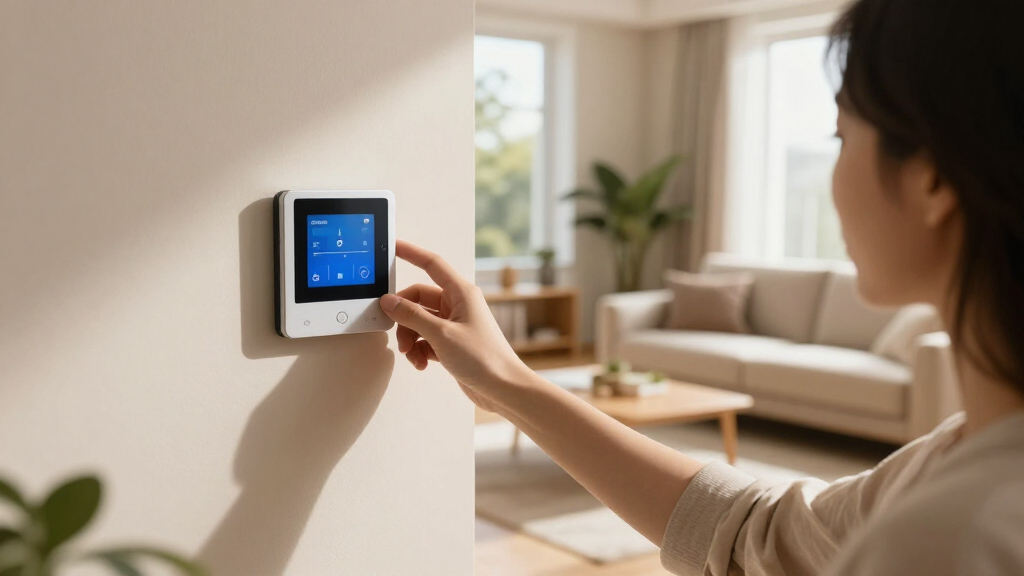
In evaluating these AI home automation devices, I focused on their ability to integrate smoothly with popular smart home ecosystems, their ease of use, and the quality of their AI processing capabilities. Performance reliability, build quality, and the flexibility of automation features were also high priorities. Additionally, I considered value for price, ease of installation, and the privacy stance—particularly whether devices support local processing or rely on cloud services. Devices were ranked based on how well they balance these factors for different types of users, from beginners to tech-savvy enthusiasts.Factors to Consider When Choosing AI Home Automation Devices
Choosing the right AI home automation device involves understanding your specific needs and balancing several key factors. While some users prioritize affordability and simplicity, others seek advanced automation and local control. This guide highlights the most important considerations to help you make an informed decision and avoid common pitfalls when building or expanding a smart home system.Compatibility and Ecosystem Integration
Ensure the device works seamlessly with your existing smart home setup, whether it’s Apple HomeKit, Amazon Alexa, Google Home, or others. Compatibility reduces frustration and saves time during installation. Some devices support multiple ecosystems, providing more flexibility to expand your system later. Missing this can lead to integration issues, requiring additional hubs or workarounds, which complicate your smart home experience.
Local Processing vs. Cloud-Based AI
Devices with local AI processing process commands on the device itself, offering faster response times and enhanced privacy. Cloud-based solutions often rely on internet connectivity, which can introduce latency and privacy concerns. Consider how important privacy and speed are for your use case; if local processing is a priority, ensure the device explicitly supports it. However, local AI devices may come at a higher price or require more technical setup.
Ease of Installation and User Interface
Devices that are straightforward to set up and manage tend to offer a more satisfying experience. Look for intuitive apps, clear instructions, and minimal wiring or configuration. Some advanced devices offer comprehensive dashboards but can be overwhelming for beginners, so assess your comfort level with technology. A poorly designed interface or complicated setup can diminish the benefits of even the most capable device.
Sensor Support and Automation Capabilities
Consider what sensors and automation triggers you need—motion, temperature, door/window sensors, etc. Devices that support multiple sensor types enable more nuanced automations, such as turning on lights when motion is detected or adjusting thermostats based on occupancy. Be cautious of overestimating your needs; buying sensors and devices that you won’t use can lead to clutter and unnecessary expense.
Price and Future Scalability
Budget constraints are real, but investing in a system that can grow with your needs saves money long-term. Cheaper devices may lack advanced features or compatibility, while higher-priced options often support more integrations and smarter automations. Consider your future plans—if you anticipate expanding your system, prioritize devices known for their scalability and ongoing support. Avoid opting for overly proprietary systems that lock you into specific brands or ecosystems.
Frequently Asked Questions
Can I mix different AI home automation devices from various brands?
Mixing brands is possible but can introduce compatibility challenges. Devices that support common standards like Zigbee, Z-Wave, or Matter tend to integrate more smoothly. If you want a flexible system, focus on devices that are ecosystem-agnostic or support multiple protocols. Keep in mind that some brands lock features behind their proprietary platforms, which can limit cross-device functionality. Researching compatibility before purchasing helps prevent frustration later.
Is local AI processing necessary for privacy and speed?
Local AI processing offers significant advantages in privacy and response time, as data doesn’t need to travel to cloud servers. If you prioritize privacy or want instant automation responses, look for devices explicitly supporting local processing. However, these can be more complex to set up and may cost more. Cloud-based options are easier for beginners but come with privacy tradeoffs and potential latency issues during internet outages.
How do I ensure my AI devices will work together in the future?
Future-proofing your smart home involves choosing devices that support open standards like Zigbee, Z-Wave, or Matter. These protocols promote interoperability among different brands and ecosystems. Investing in a central hub or platform that consolidates device management simplifies expansion. Avoid overly proprietary systems if you plan to add new devices later, as they might require replacement or complicated integrations down the line.
What’s the best way to start automating my home if I’m a beginner?
Beginners should start with simple, user-friendly devices that integrate with familiar voice assistants and ecosystems. Devices like smart switches or motion sensors are good entry points. Focus on solutions with clear setup instructions and supportive apps. As you gain confidence, you can gradually add more complex automations and sensors, building a smart system tailored to your lifestyle without feeling overwhelmed initially.
Should I prioritize features over price when choosing AI home devices?
While budget is an important factor, investing in quality devices that meet your core needs often yields better satisfaction and longevity. Cheaper options may lack reliability or compatibility, leading to frustration. Conversely, premium devices tend to offer more advanced automation, better build quality, and future scalability. Balancing features and price based on your specific use case ensures you get the best value without sacrificing essential performance.
Conclusion
For those seeking the best overall experience, the iSG Box SE Smart Home Hub offers comprehensive automation and broad compatibility. Budget-conscious users will find the Meross Presence Sensor MS605 provides reliable motion detection at a lower cost. Beginners aiming for simplicity should consider smart switches or sensors with intuitive apps, while tech enthusiasts or advanced users might prioritize devices supporting local AI processing and complex automations. Ultimately, your choice hinges on your specific needs, technical comfort, and plans for future expansion—select accordingly to build a seamless, responsive smart home.