🔍 Read the full analysis: Bangladesh’s Garment Wage Board And The Push For Better Pay on ThorstenMeyerAI.com

Get business pricing on tech for your team
- Business-only prices and quantity discounts
- Tax-exempt purchasing
- Multiple users, one account, clear invoices
TL;DR
Bangladesh appointed a six-member garment wage board on Nov. 1, 2026, while workers were protesting for a monthly minimum of 30,000 taka. The factory owners’ association reported disruptions at 529 factories; factories reopened the next day, but the board has not published a meeting date or timetable for a wage decision.
Bangladesh appointed a six-member garment wage board on Nov. 1 as workers demanding a monthly minimum of 30,000 taka staged walkouts that disrupted hundreds of factories. The move begins a formal review of pay in an industry central to the country’s exports, but officials have not announced when the board will meet or when it will set a new wage structure.
The Ministry of Labour and Employment issued notifications establishing the board under the Bangladesh Labour Act, according to The Daily Star. Its members include a chair, an independent academic, two employer representatives and two worker representatives. The chair is to work with the other members to determine a minimum wage. Labour and Employment Minister Ariful Haque Choudhury said the board followed discussions with workers’ representatives and industry leaders, Reuters and Al Jazeera reported.
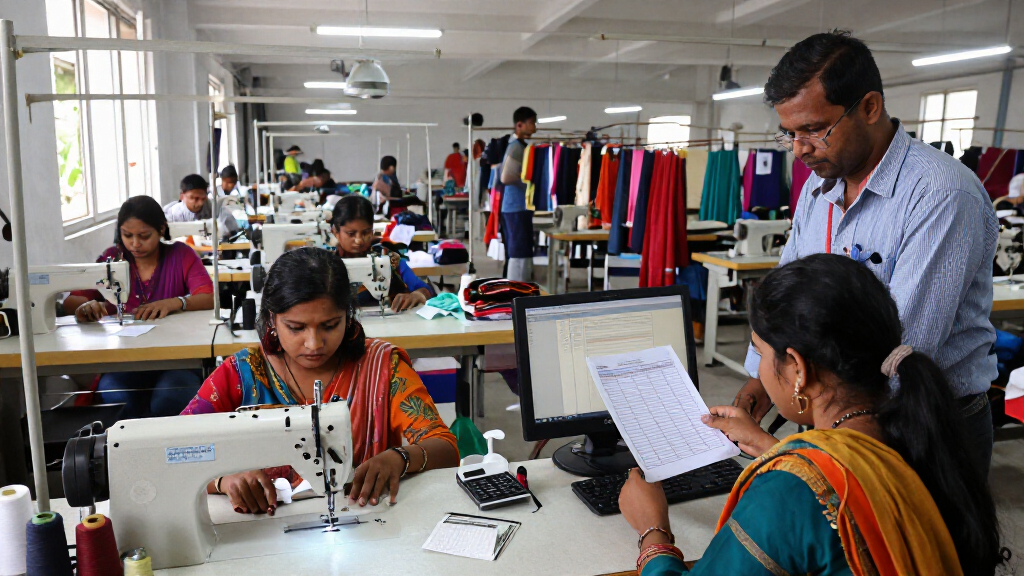
Workers are seeking 30,000 taka a month, more than twice the current minimum of 12,500 taka, which has applied since December 2023. Reuters put the demand at about $243 to $245. On Nov. 1, the Bangladesh Garment Manufacturers and Exporters Association (BGMEA) reported disruptions at 529 of 2,134 factories across five industrial regions, with 987,190 workers leaving their workplaces, according to figures reported by The Daily Star. These were reported as walkouts and production disruptions, not as factories closed by their owners.
Reuters reported that police used tear gas and water cannon after bricks were thrown during Sunday’s unrest; reports also described a police vehicle and police box being set alight and Border Guard Bangladesh personnel being deployed. Factories reopened on Monday, Nov. 2, Reuters reported, while owners remained concerned about further disruption. The minister urged workers to return and warned that prolonged stoppages could delay export shipments and payments from foreign buyers.
Pay Dispute Reaches Export Factories
The wage review affects workers’ ability to cover everyday expenses and the costs faced by garment manufacturers supplying international retailers. Workers say the current minimum does not meet basic household needs. Reuters quoted worker Mahin Hossain saying that after rent, little remained for food, children’s education and other essentials. The immediate walkouts also put production and shipment schedules at risk: the minister warned that longer disruptions could delay exports and foreign-buyer payments.
The dispute also highlights how the cost of higher wages is shared across the supply chain. Factory owners have argued that the 30,000-taka demand has “no logical or mathematical basis,” according to Reuters. Workers and an economist cited in the Reuters report pointed to international buyers’ pricing as part of the issue. The board’s decision will matter not only to employees and employers, but also to retailers whose sourcing depends on reliable production and prices.
Products Worth Considering

Logitech MX Brio Ultra HD 4K Webcam, Graphite

LG UltraGear 27GX704A-B 27-inch QHD OLED Gaming Monitor

EcoFlow Delta 3 Ultra 3072Wh Portable Power Station – 3600W AC Output
As an affiliate, we earn on qualifying purchases.
The 2023 Wage Floor Under Review
The current minimum wage of 12,500 taka took effect in December 2023. A 2026 amendment to the Labour Act shortened the interval between minimum-wage reviews from five years to three, The Daily Star reported, so a review was due even apart from this weekend’s protests. The new board was named while demonstrations were continuing, but its notifications did not set a first meeting date or a deadline for announcing a revised wage structure.
Workers’ actions had been building for weeks. The Daily Star reported that road blockades began in mid-October. On Oct. 31, about 30 factories around Ashulia declared holidays, according to local industrial police official Mohammad Mominul Islam Bhuiyan, as reported by Reuters and Al Jazeera. The following day, protests and walkouts were reported in areas including Gazipur, Ashulia and Mirpur. The BGMEA figures cited by The Daily Star recorded no disruptions in Narayanganj or Chattogram on Nov. 1.
Price negotiations with overseas buyers have also figured in past wage disputes. An International Labour Organization survey from 2016 found that only 17% of Bangladeshi suppliers said their customers were willing to reflect minimum-wage increases in the prices paid, according to the supplied source material. Separately, research cited by the Centre for Policy Dialogue has warned that automation could put up to 1.22 million garment jobs at risk. Those figures provide industry context; they do not establish what the new board will decide or how any pay increase would be funded.
“After paying rent, there is very little left for food, our children’s education and other essential expenses.”
— Garment worker Mahin Hossain, speaking to Reuters
Board Timetable Remains Unpublished
The ministry’s notifications do not specify when the board will first meet, when it will announce a proposed wage, or how long consultations will take. No new minimum has been set, and the 30,000-taka figure remains the workers’ demand rather than an agreed outcome. The supplied reports also do not establish whether the board will recommend that amount or another figure.
Although factories reopened on Nov. 2, it is not clear whether that will end the protests. The BGMEA count records the number of factories reporting disruptions and workers who left work on Nov. 1; it does not establish how much production was lost or whether all affected facilities resumed normal operations. The extent to which international buyers would absorb any higher labour costs also remains unresolved.
Negotiations and Factory Operations
The next formal step is for the six board members to begin consultations and consider a revised minimum wage. The government has not announced a meeting date or decision deadline, so the timing of a recommendation remains unknown. Workers, employers and officials will also face pressure to keep production running while the pay dispute is considered.
Factories have reopened, according to Reuters, but owners say they remain concerned about further unrest. Continued reporting will need to establish whether workers return consistently, whether demonstrations resume and whether the board sets a timetable. Any final wage decision will also leave the question of how manufacturers and international buyers share the resulting costs.
Key Questions
What did Bangladesh announce?
The Ministry of Labour and Employment named a six-member board on Nov. 1, 2026, to review minimum wages in the garment industry. The board includes worker, employer and independent representatives.
How much are garment workers demanding?
Workers are demanding a minimum wage of 30,000 taka a month. The current minimum is 12,500 taka and has applied since December 2023. The demand has not been accepted as a new wage.
How many factories were disrupted?
The BGMEA reported disruptions at 529 of 2,134 factories covered across five industrial regions on Nov. 1, with 987,190 workers leaving their workplaces. The figures were reported by The Daily Star and describe walkouts and disruptions.
When will the board decide on a new wage?
No meeting date or decision deadline has been announced. The board must consult its members, but the timing and outcome of the review remain unknown.
Have garment factories reopened?
Reuters reported that factories reopened on Nov. 2. Owners remained concerned about further unrest, and the available reports do not establish whether all operations had returned to normal.
Source: ThorstenMeyerAI.com