
📊 Full opportunity report: Unmasking The AI Ban That Nobody Expected In China's Optical-Transceivers on ThorstenMeyerAI.com — validation score, market gap, and execution plan.

Get business pricing on tech for your team
- Business-only prices and quantity discounts
- Tax-exempt purchasing
- Multiple users, one account, clear invoices
TL;DR
The US FCC is drafting a measure to ban new Chinese optical transceivers, aiming to secure infrastructure from data threats. The measure is not yet finalized, and existing hardware remains unaffected. This signals a shift in US strategy on supply chain security and industrial policy.
The US Federal Communications Commission is drafting a measure to ban importation of new Chinese optical transceivers used in datacenter fiber networks, aiming to protect critical infrastructure from data theft and malware. This proposal, reported by Reuters on August 4, 2023, is still in the draft stage and has not been finalized or enacted, but it signals a potential policy shift in US infrastructure security.
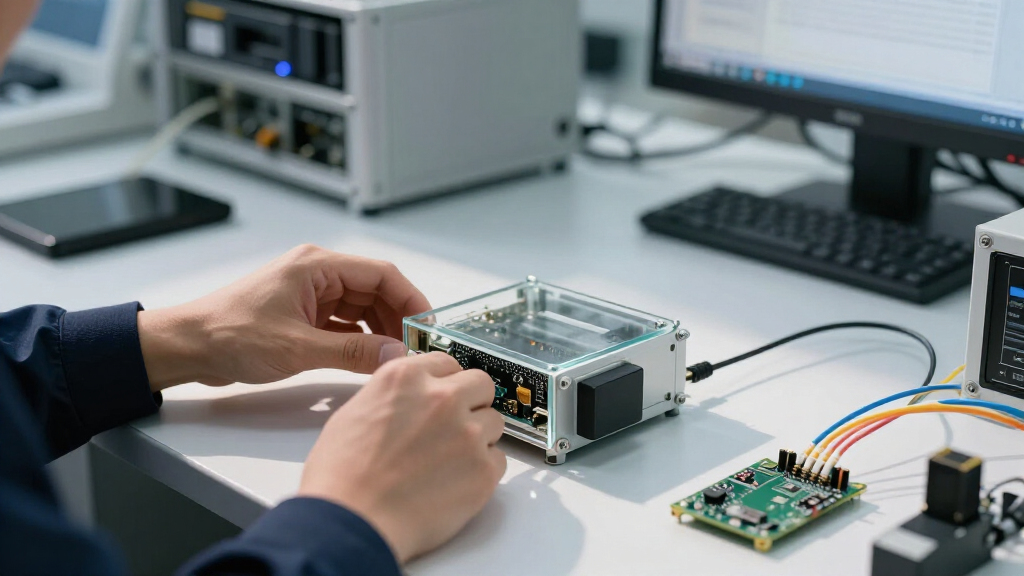
The proposed measure would restrict new imports of Chinese optical transceivers, devices that convert electrical signals into light pulses for high-speed data transfer inside datacenters. It is part of the US effort to safeguard AI and network infrastructure from perceived security threats.
Sources indicate that the measure is still in the drafting phase, and the FCC could modify or shelve it before any official implementation. The market reacted strongly to the report, with US-based optical component stocks rising significantly, while Chinese suppliers like Zhongji Innolight faced declines. Notably, Innolight holds about 27% of the global transceiver market, with most revenue outside China and a significant share in the US.
It is important to clarify that this draft is not a final rule, nor does it control exports of chips or other core components. Instead, it targets the importation and connection of Chinese hardware into US networks, which is a different legal mechanism. The measure focuses on the interconnect layer, considered a strategic chokepoint in AI infrastructure buildout.
A drafted FCC measure would bar imports of new Chinese optical transceivers — the small parts that turn signals into light inside a datacenter. The headline says “US bans Chinese datacenter tech.” It’s wrong in three specific ways.
▲ A draft, not a rule · could be modified or shelved“US bans Chinese datacenter tech” is wrong in three ways that change what the story actually means.
The transceiver is the interconnect — the layer that sets the real bottleneck of modern inference. The US isn’t moving on the compute here. It’s moving on the nervous system that wires the compute together.
- Restricts what US tech is sold to China
- Targets the compute
- The fight everyone has been watching
- Restricts what Chinese gear is imported into the US
- Targets the interconnect / network fabric
- Confirms the wire is now as contested as the chip
Read one way it has a hole you can see through. Read the other way it’s coherent.
Production is the product, and capacity doesn’t teleport. Four frictions stand between the draft and reality.
as strategically contested as the compute. But it’s a draft, and the base is already installed.
Implications for US-China Tech Competition
This proposed import restriction reflects a broader US strategy to control critical network infrastructure and limit China's influence in AI hardware supply chains. While it aims to enhance security, it also signals a shift toward reshoring key technological components and could impact global supply chains, especially given China's dominant share of transceiver shipments.
However, the measure’s focus on future imports leaves existing Chinese hardware in US datacenters unaffected, raising questions about its efficacy in addressing current security concerns. The move also underscores the importance of the interconnect layer in AI infrastructure, which is increasingly viewed as a strategic vulnerability.
optical transceivers for data centers
As an affiliate, we earn on qualifying purchases.
As an affiliate, we earn on qualifying purchases.
Background on US-China Optical-Transceiver Tensions
Over the past year, US authorities have targeted Chinese technology companies through export controls and import restrictions, aiming to limit China’s access to advanced hardware. Notably, Zhongji Innolight was added to the Pentagon’s list of alleged Chinese military-linked firms in June, signaling increased scrutiny.
While previous measures focused mainly on export controls for chips and other core components, this new draft marks a shift toward controlling hardware imports at the network level. Chinese vendors currently account for approximately 70% of global transceiver shipments, with US companies like Coherent, Lumentum, and Applied Optoelectronics gaining market share in response.
The existing installed base of Chinese transceivers in US datacenters is substantial, with most hardware purchased before the draft was announced, complicating the security implications of the measure.
Unclear Impact of the Draft on Existing Hardware
It remains unclear whether the FCC will finalize and implement the draft regulation, or how it will address the large installed base of Chinese transceivers already in US datacenters. The measure’s actual effect on security and supply chains depends on future decisions and enforcement details.
Next Steps in Regulatory and Market Developments
The FCC is expected to continue consultations and may revise the draft before formal adoption. Industry stakeholders are closely monitoring the process, and market reactions will likely depend on the final scope and timing of any rule. Meanwhile, Chinese vendors and US suppliers will assess potential shifts in procurement strategies and supply chain adjustments.
Key Questions
What exactly is the proposed US restriction on Chinese optical transceivers?
The draft proposes to restrict importation of new Chinese optical transceivers used in datacenter fiber networks, aiming to prevent Chinese hardware from entering US infrastructure.
Is this measure already in effect?
No, the measure is still in the draft stage and has not been finalized or enacted. It remains subject to modification or cancellation.
How does this affect existing Chinese transceivers in US datacenters?
The measure targets only new imports. Existing Chinese transceivers already installed in US datacenters are unaffected by the draft regulation.
Why is the US focusing on transceivers instead of chips?
Because transceivers operate at the network interconnect layer, which is considered a strategic vulnerability in AI infrastructure, controlling this hardware could limit Chinese influence and improve security.
What are the implications for global supply chains?
Given China’s dominant share of transceiver shipments, the proposed restriction could reshape global supply chains, potentially favoring US and allied suppliers for future hardware needs.
Source: ThorstenMeyerAI.com
Fall Picks
fall essentials
As an affiliate, we earn on qualifying purchases.