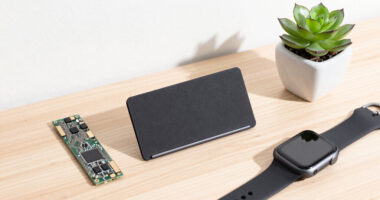
📊 Full opportunity report: Securing Remote Work Devices: How To Use A Device Security Checker on IdeaNavigator AI — validation score, market gap, and execution plan.
Prime for Young Adults — start your free trial
Fast free delivery, streaming and member deals for eligible 18–24 year olds.
Try it freeAs an affiliate, we earn on qualifying purchases.
TL;DR
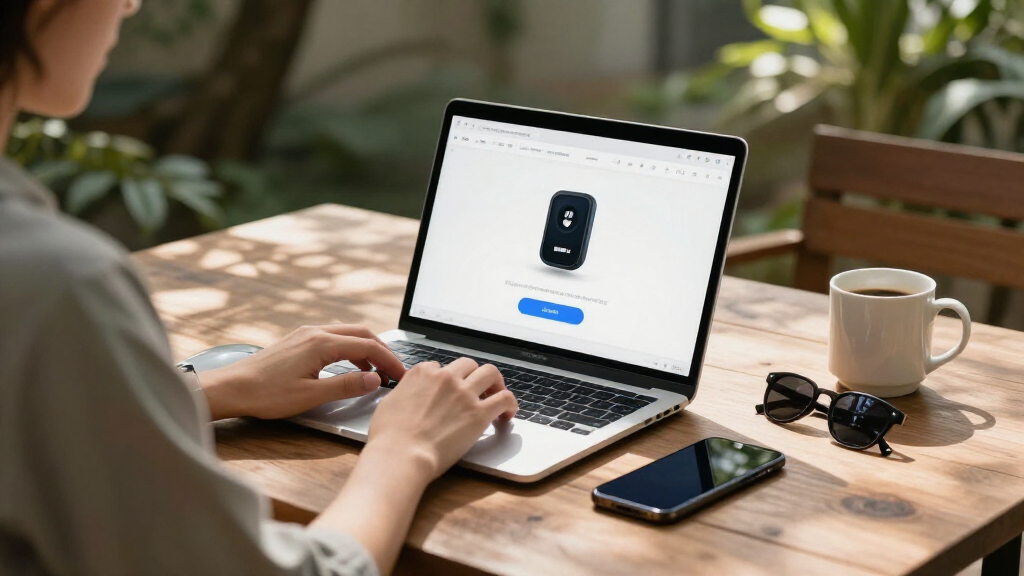
A device security checker tailored for remote teams with mixed hardware has been introduced, allowing companies to verify encryption, updates, and security posture without invasive management. This development aims to fill a compliance gap for SMBs facing SOC 2 and customer security audits.
A new lightweight device security checker has been introduced for remote teams with employee-owned hardware, enabling companies to verify encryption, OS updates, and security settings without invasive management tools. This tool addresses a growing compliance gap faced by SMBs during SOC 2 and customer security reviews, where verifying device security posture is increasingly critical.
The security checker is a voluntary, installable agent designed for employees to run on their personal devices, including MacBooks, Windows laptops, and unmanaged phones. It reports on key security metrics such as disk encryption status, OS update levels, screen lock activation, and password manager presence. The tool then provides a pass/fail report to a centralized dashboard, with self-remediation instructions for non-compliant devices.
This approach aims to avoid the invasiveness of traditional mobile device management (MDM) systems, which are often seen as too intrusive for employee-owned devices. Instead, it offers a lightweight alternative that can be deployed at scale across small and medium-sized businesses, helping them meet increasingly stringent security standards without compromising employee privacy or device autonomy.
The initial target market is SMBs facing regulatory and customer scrutiny, especially those undergoing SOC 2 audits or similar compliance assessments. The product’s revenue model is based on per-device monthly subscriptions, with additional features such as compliance report exports available on paid tiers. Early validation involves deploying the tool at ten remote startups and measuring device enrollment rates, with the goal of having auditors accept the generated posture reports as sufficient evidence of security compliance.
Why SMBs Need a Non-Invasive Security Solution
This development is significant because it addresses a critical security gap for remote teams using personal devices. As regulations like SOC 2 increase scrutiny on data security, companies must demonstrate compliance through device posture assessments. Traditional MDM solutions are often too invasive for employee-owned devices, leading to low adoption or incomplete coverage.
The new security checker offers a practical, scalable way for SMBs to verify key security controls without infringing on employee privacy or requiring complex management infrastructure. Its simplicity and voluntary nature could lead to higher adoption rates, improving overall security posture and reducing the risk of breaches or non-compliance penalties.
Moreover, as remote work becomes more entrenched, tools that facilitate compliance without disrupting employee autonomy will become essential for SMBs seeking to compete in a security-conscious market environment.
As an affiliate, we earn on qualifying purchases.
Growing Regulatory Pressure and the SMB Security Gap
Over the past few years, regulatory frameworks like SOC 2 have expanded their scope, requiring companies of all sizes to demonstrate controls over data security and privacy. For SMBs, meeting these requirements is challenging due to limited resources and the complexity of managing diverse personal devices used for work.
Traditional endpoint security solutions, such as MDMs, are often too invasive or costly for SMBs, especially when employees own their devices. As a result, many small and medium-sized companies lack a reliable way to verify device security posture in real-time or during audits. This gap leaves them vulnerable to compliance violations, security breaches, and reputational damage.
Recent market trends indicate increasing demand for lightweight, non-intrusive security tools tailored to remote and hybrid work environments. The introduction of this device security checker aligns with these trends, providing a targeted solution for SMBs facing mounting compliance pressures.
Unconfirmed Aspects of Adoption and Effectiveness
It is not yet clear how quickly SMBs will adopt this security checker or whether auditors will accept the reports as sufficient evidence of compliance. The long-term effectiveness of the tool in preventing breaches or identifying vulnerabilities remains to be validated through real-world deployment and feedback.
Further, the extent to which employees will voluntarily install and maintain the agent, and whether the tool can scale effectively across diverse device types and operating systems, are still under evaluation.
Next Steps for Deployment and Validation
The initial deployment at ten remote startups will serve as a pilot to measure device enrollment rates, compliance accuracy, and auditor acceptance. Success in these pilots could lead to broader adoption among SMBs and integration into compliance workflows. Ongoing feedback will shape future features, such as automated remediation or expanded device coverage.
Additionally, the company plans to engage with auditors to validate whether the generated reports meet compliance standards, which could influence wider acceptance and market growth.
Key Questions
How does the device security checker work?
The tool is a voluntary agent that employees install on their personal devices. It checks for encryption, OS updates, screen lock, and password manager presence, then reports the results to a centralized dashboard.
Is this tool suitable for all types of devices?
It is designed for common remote work devices, including MacBooks, Windows laptops, and unmanaged smartphones. Compatibility with other device types is still under testing.
Will employees need to give up privacy?
The tool is lightweight and only checks specific security settings, without remote control or data access, aiming to respect employee privacy while enabling security verification.
When will this tool be generally available?
The initial pilot deployments are underway, with broader availability expected later in 2024 depending on pilot results and auditor feedback.
How does this compare to traditional MDM solutions?
Unlike MDMs, which are often invasive and require device enrollment, this tool is voluntary, lightweight, and focused solely on security posture checks, making it more acceptable for employee-owned devices.
Source: IdeaNavigator AI
Fall Picks
fall essentials
As an affiliate, we earn on qualifying purchases.