Autonomous vehicles are transforming the way you travel, offering hands-free convenience and advanced safety through integrated sensor technology. However, this progress raises ethical dilemmas about decision-making in critical situations and questions about legal responsibility in accidents. As regulations evolve, it’s important for society to address these challenges to guarantee a safe adoption of this technology. If you’re curious about how these developments will shape the future, there’s much more to explore on the topic.
Key Takeaways
- Autonomous vehicles utilize advanced sensor technology, including cameras, radar, and LIDAR, for safe navigation in complex environments.
- Legal frameworks for autonomous vehicles are evolving, addressing liability issues among manufacturers, software engineers, and vehicle owners.
- Ethical dilemmas arise when autonomous vehicles must make split-second decisions that involve potential harm to passengers or pedestrians.
- Public trust in autonomous vehicles hinges on robust safety measures and clear regulations that ensure accountability and responsibility.
- Collaboration among technologists, lawmakers, and society is essential to navigate the moral and legal implications of autonomous vehicle integration.
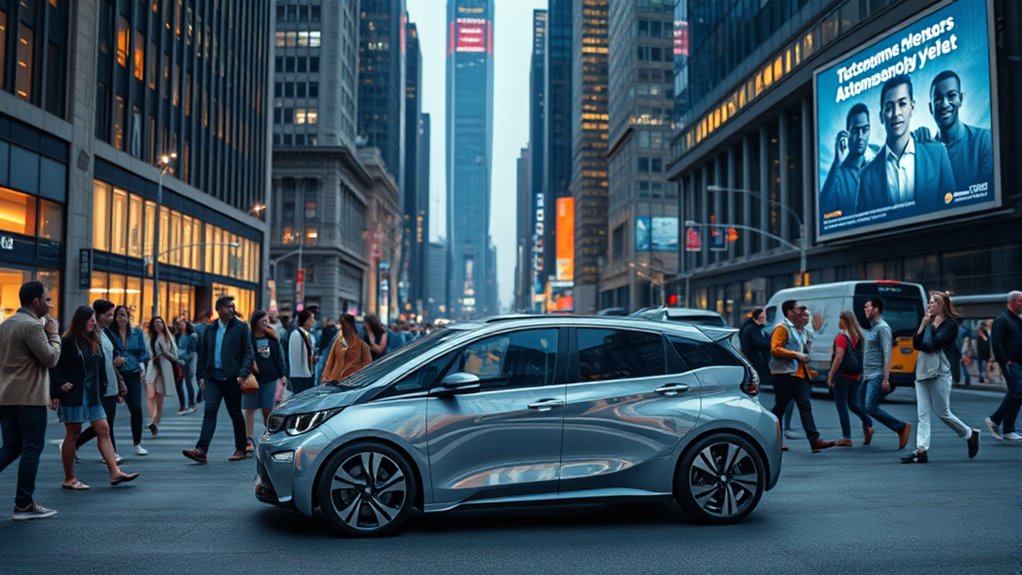
What would it be like to sit back and relax while your car drives you to your destination? The idea of autonomous vehicles isn’t just a figment of science fiction anymore; it’s becoming a reality. Imagine glancing at your phone, catching up on emails, or enjoying your favorite podcast while your car steers through traffic, all thanks to advanced sensor technology. These vehicles use an array of sensors—like cameras, radar, and LIDAR—to perceive their surroundings, ensuring they can safely respond to other vehicles, pedestrians, and obstacles. The sheer convenience of it makes you wonder how quickly this technology will become a part of your everyday life.
Imagine relaxing while your car navigates traffic, thanks to cutting-edge sensor technology that enhances convenience and safety.
Yet, as exciting as it sounds, the rise of autonomous vehicles also brings to light some pressing ethical and legal considerations. You might find yourself questioning how safe these vehicles really are, especially when you think about the potential for accidents. Who’s to blame if an autonomous car gets into a collision? The car manufacturer, the software engineer, or maybe even you as the owner? Legal frameworks surrounding autonomous vehicles are still developing, which complicates matters. Many countries are scrambling to create regulations that keep pace with the rapid advancements in technology, but it’s a tough nut to crack.
Moreover, the ethical dilemmas surrounding autonomous vehicles can’t be ignored. Picture a scenario where your self-driving car must make a split-second decision: it can either swerve to avoid hitting a pedestrian or stay on course, risking the lives of its passengers. How should the car be programmed to react? It’s a moral quandary that raises questions about human life, responsibility, and the values we hold dear. As you ponder these issues, you realize that the integration of autonomous vehicles into daily life isn’t just about convenience; it’s about steering a new landscape of ethical and legal challenges. Additionally, the development of robust safety measures is crucial to address vulnerabilities and enhance public trust in this technology.
Ultimately, while the prospect of letting your car handle the driving sounds fantastic, it’s vital to think about the implications that come with it. You’re not only looking at technological advancements but also at a future that demands thoughtful conversations about safety, responsibility, and the laws that govern this brave new world. As the technology progresses, so too must our understanding and the frameworks that support it, ensuring a safe and ethical shift into a world filled with autonomous vehicles.
autonomous vehicle sensor kit
As an affiliate, we earn on qualifying purchases.
As an affiliate, we earn on qualifying purchases.
Frequently Asked Questions
How Do Autonomous Vehicles Handle Inclement Weather Conditions?
Autonomous vehicles handle inclement weather by relying on advanced sensor reliability and weather adaptation techniques. When conditions worsen, like heavy rain or snow, these vehicles adjust their speed and trajectory based on real-time data from their sensors. They use radar and cameras to maintain a clear understanding of the surroundings, ensuring safety even in poor visibility. By continuously adapting to changing weather, they aim to provide a smooth driving experience regardless of the elements.
What Are the Potential Job Impacts of Widespread Autonomous Vehicle Adoption?
Imagine a bustling city where traditional taxis vanish, leaving only sleek, self-driving cars. That’s what widespread autonomous vehicle adoption could mean. You’ll see significant job displacement in driving professions, like truck drivers and taxi operators, as these vehicles take over. Economic shifts might create new tech-focused jobs, but the shift could be tough for those affected. Adjusting to this change will require retraining and support for those maneuvering the new landscape.
Can Autonomous Vehicles Make Moral Decisions in Accident Scenarios?
No, autonomous vehicles can’t make moral decisions like humans can. They rely on ethical programming, which involves pre-defined algorithms to navigate moral dilemmas. When faced with an accident scenario, the car’s programming determines the best course of action based on data and guidelines set by developers. This means they lack the nuanced understanding and emotional capacity humans have, which complicates their ability to truly make moral decisions in critical situations.
How Is User Data Protected in Autonomous Vehicle Systems?
Imagine cruising along an open road, your autonomous vehicle smoothly steering the twists and turns. To protect your data, these systems use advanced encryption techniques, wrapping your information in layers of security, like a fortress guarding its treasure. Privacy concerns loom large, but manufacturers prioritize your safety, ensuring that personal data stays locked away from prying eyes. You can drive confidently, knowing your information is secure as you enjoy the ride.
What Are the Current Legal Regulations Governing Autonomous Vehicles?
Current legal regulations governing autonomous vehicles vary by region, often involving complex legal frameworks that address safety, liability, and insurance. You’ll find that regulatory challenges arise due to the rapid development of technology, which outpaces existing laws. Many jurisdictions are still drafting specific legislation, while others have enacted pilot programs to test these vehicles on public roads. Staying informed about local regulations is key to steering this evolving landscape.
LIDAR sensor for cars
As an affiliate, we earn on qualifying purchases.
As an affiliate, we earn on qualifying purchases.
Conclusion
As autonomous vehicles continue to evolve, they promise to reshape our transportation landscape markedly. With over 90% of traffic accidents caused by human error, the potential for these vehicles to enhance safety is compelling. However, we must also navigate the ethical dilemmas they present, from decision-making in critical situations to job displacement in driving professions. Embracing this technology means considering both its benefits and the societal impacts it brings, ensuring progress aligns with our moral values.
self-driving car safety system
As an affiliate, we earn on qualifying purchases.
As an affiliate, we earn on qualifying purchases.
autonomous vehicle ethical dilemma book
As an affiliate, we earn on qualifying purchases.
As an affiliate, we earn on qualifying purchases.