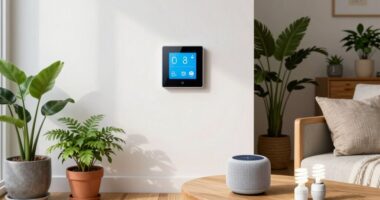

You see, high air, water, and power quality have become prestige topics because they reflect your commitment to health, sustainability, and modern sophistication. People associate clean environments with wealth and a refined lifestyle. Investing in air purifiers, water filtration, or renewable energy shows you care about well-being and environmental responsibility. These choices boost your social status and portray you as a forward-thinking individual. Stay with us, as there’s much more to discover about these essential aspects of a premium lifestyle.

Get business pricing on tech for your team
- Business-only prices and quantity discounts
- Tax-exempt purchasing
- Multiple users, one account, clear invoices
Key Takeaways
- High-quality air, water, and power are seen as indicators of a sophisticated, health-conscious lifestyle.
- Access to clean resources reflects wealth, social status, and modernity.
- Innovations in pollution control and sustainable technology elevate personal and societal prestige.
- Awareness of environmental health fosters demand for better standards, linking quality to social distinction.
- Maintaining superior environmental conditions demonstrates responsibility and modern values, enhancing personal reputation.
Have you ever wondered how the quality of the air we breathe, water we drink, and power we use impacts your daily life? These elements are fundamental to your health, comfort, and even your overall well-being. Lately, they’ve become more than just everyday concerns—they’re now prestige topics. This shift is driven by growing awareness of indoor pollution, the push for renewable energy, and the desire for a cleaner, healthier environment.
Indoor pollution, in particular, has moved into the spotlight. You might not realize it, but the air inside your home or office can be more polluted than outside air. Volatile organic compounds (VOCs), mold, dust, and household chemicals contribute to indoor pollution that can cause respiratory issues, allergies, and other health problems. As people become more health-conscious, they’re seeking ways to improve indoor air quality through better ventilation, air purifiers, and choosing products that emit fewer pollutants. This heightened concern about indoor air quality emphasizes the importance of maintaining high standards, making it a mark of a modern, health-aware lifestyle.
Indoor air pollution is now a key health concern, emphasizing the need for better ventilation and cleaner, low-emission products.
Water quality also ranks high among prestige topics. Access to clean, safe drinking water is now seen as a reflection of wealth and sophistication. You’re likely aware of the concerns surrounding contaminants like lead, pesticides, and bacteria, which threaten water safety. Governments and private companies invest heavily in water treatment technologies to ensure purity. People are increasingly interested in home filtration systems and sustainable water management practices, viewing them as investments in health and status. Water conservation efforts tie into this trend, emphasizing responsible use and environmental stewardship. Ensuring water safety is also a key part of this movement toward higher quality standards. Additionally, innovative solutions such as smart water meters are gaining popularity, helping households monitor and reduce water consumption more effectively. These advancements highlight the importance of water quality management in maintaining a healthy and prestigious lifestyle. Recognizing the impact of pollution on water resources underscores the need for ongoing innovation and vigilance.
Power quality, too, has gained prominence. As your reliance on electronic devices grows, so does the importance of stable, clean power. Fluctuations and outages can damage sensitive equipment, and poor power quality can lead to inefficiencies and higher bills. The push toward renewable energy sources like solar and wind has transformed how power is generated and consumed. Using renewable energy isn’t just about reducing carbon footprints; it’s also about embracing advanced, sustainable solutions that symbolize a commitment to a greener, more innovative lifestyle. When you choose renewable energy options, you’re signaling your dedication to environmental responsibility and technological progress, elevating your status among peers.
In essence, the focus on air, water, and power quality reflects a broader desire to live healthier, more sustainable lives. These topics have become prestige markers because they symbolize a commitment to well-being, environmental stewardship, and advanced living standards. As awareness continues to grow, so will the importance of making informed choices about the quality of the air you breathe, the water you drink, and the power you use.
Products Worth Considering

Apple iPad Air 11-inch (M2), 512GB, Wi-Fi, Space Gray

Apple iPad Air (4th Generation, 10.9-inch, Wi-Fi, 256GB) – Space Gray

Jackery Explorer 2000 v2 Portable Power Station with Two 200W Solar Panels
As an affiliate, we earn on qualifying purchases.
Frequently Asked Questions
How Do Air, Water, and Power Quality Affect Property Value?
You’ll find that high air, water, and power quality boost property value because they reduce indoor pollutants and noise pollution, creating a healthier, more comfortable environment. When your property has clean air and water, along with reliable power, it appeals to buyers seeking quality living spaces. Poor air quality or noise issues can deter potential buyers, lowering your property’s appeal and market value.
What Are the Latest Technologies for Improving Environmental Quality?
Think of yourself as an innovator, harnessing the latest tech to improve environmental quality. You can use innovative filtration systems to remove pollutants more efficiently and incorporate smart monitoring devices that provide real-time data. These technologies enable you to maintain peak air, water, and power quality, ensuring a healthier environment. Embracing such advancements not only elevates your space’s prestige but also demonstrates your commitment to sustainability and well-being.
How Do Government Regulations Influence Quality Standards?
Government regulations strongly influence quality standards through strict regulatory compliance requirements and active policy enforcement. When authorities set clear standards, you’re guided to meet specific air, water, and power quality levels, ensuring safety and sustainability. These regulations motivate you to adopt advanced technologies and practices, ultimately improving environmental quality. Non-compliance risks penalties, so you’re encouraged to prioritize high standards, making quality a core part of operational success.
Can Individual Actions Significantly Impact Overall Air and Water Quality?
Think of your actions as drops in a vast pond. Your personal responsibility matters—each small effort to reduce pollution or conserve water ripples outward, shaping the entire ecosystem. When you participate in community initiatives, your impact multiplies, fostering collective change. Yes, individual actions can profoundly impact overall air and water quality, proving that your choices aren’t isolated—they’re part of a larger wave of progress toward cleaner, healthier environments for everyone.
What Health Risks Are Associated With Poor Environmental Quality?
Poor environmental quality poses health risks like respiratory issues, allergies, and even chronic diseases. Indoor pollutants and chemical contaminants can worsen asthma and cause headaches or fatigue. When air and water quality decline, your immune system weakens, increasing susceptibility to infections. Exposure to contaminated water or polluted air may lead to long-term health problems, making it essential to prioritize clean environments for your well-being and overall health.
Conclusion
As you see, air, water, and power quality aren’t just environmental issues—they’re symbols of your quality of life and social status. Imagine living in a city with clean air and reliable power; it’s a sign of progress and prestige. For instance, a luxury hotel invests heavily in top-tier air and water filtration, attracting elite guests. Prioritizing these aspects enhances your well-being and elevates your reputation, making them truly prestige topics worth your attention.