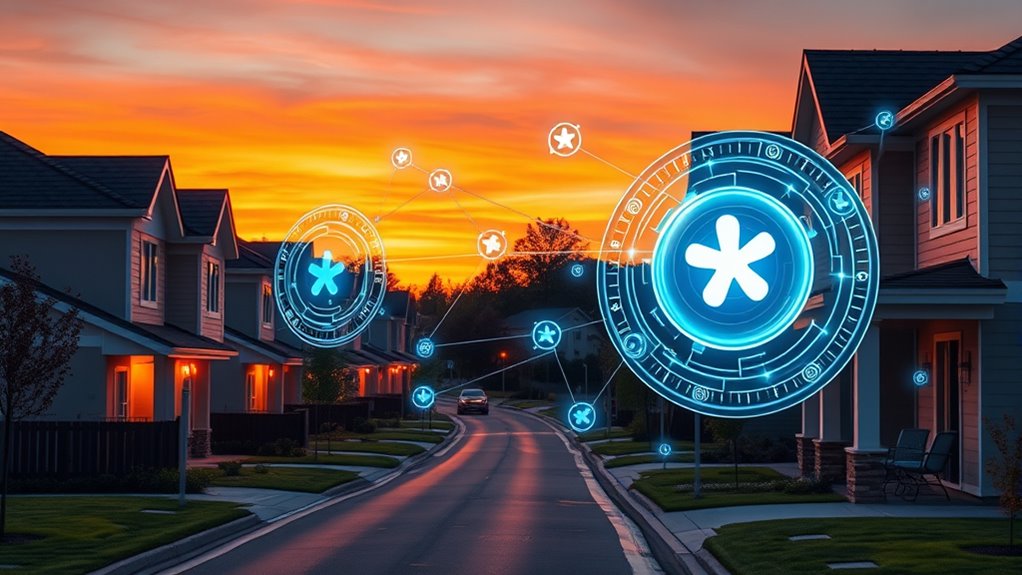

Imagine having excess energy from your solar panels and being able to sell it directly to your neighbors through a secure, digital platform. Smart Home Energy Tokens make this possible by turning surplus power into tradable digital assets on the blockchain. As this technology evolves, it could change how communities manage and share renewable energy—raising questions about future energy independence and local sustainability that are worth exploring.
Key Takeaways
- Energy tokens represent surplus solar power, enabling residents to trade excess energy directly with neighbors.
- Blockchain ensures transparent, secure records of energy transactions, building trust in peer-to-peer trading.
- IoT sensors monitor real-time energy production and consumption, facilitating accurate token issuance and trading.
- Smart contracts automate trading processes, payments, and token management between households.
- Community microgrids and local marketplaces promote energy independence and incentivize renewable energy sharing.
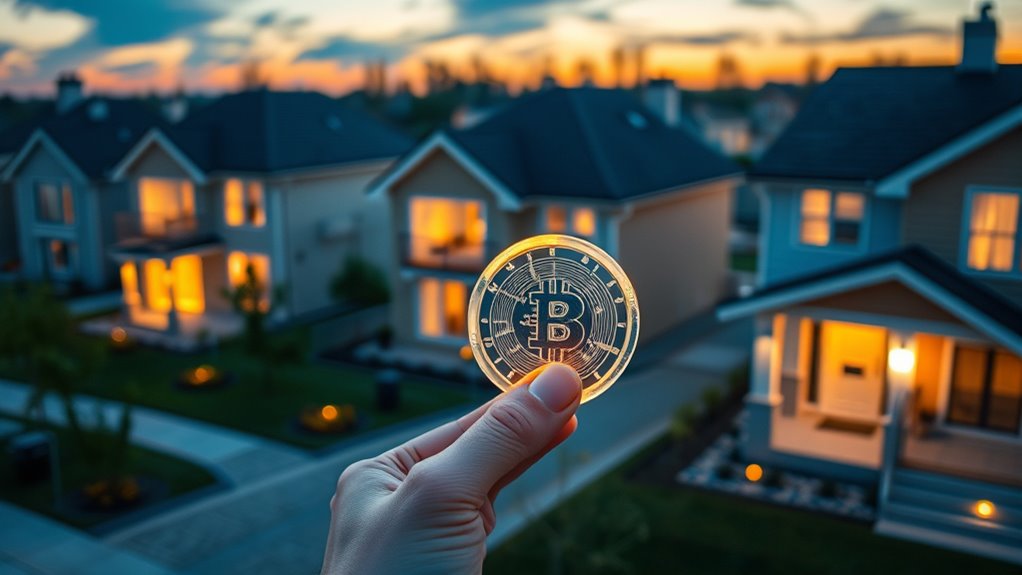
Have you ever wondered how your smart home can make energy usage more efficient and rewarding? The answer lies in smart home energy tokens—digital assets linked to your home’s energy savings or surplus energy generation. These tokens serve as a tangible way to quantify, verify, and reward your efforts to save energy or produce renewable power. When your solar panels generate more electricity than your household needs, you can convert that surplus into tokens. These tokens can then be traded directly with neighbors or sold on digital marketplaces, creating a decentralized energy exchange that cuts out middlemen and reduces costs. Each token typically represents a specific amount of energy, like one kilowatt-hour, and is backed by blockchain technology, ensuring transparency, security, and trust in every transaction. Blockchain provides an immutable record of energy transactions, which enhances the credibility and trustworthiness of peer-to-peer energy trading systems. The system works seamlessly thanks to IoT-based energy monitoring. Sensors and smart meters collect real-time data on your energy consumption and production, which is securely transmitted using encrypted protocols to protect your privacy. This data feeds into energy management platforms that analyze and display your energy patterns, allowing you to make smarter decisions. The platform integrates various devices and communication protocols, so your smart home remains interoperable regardless of the brands or technologies involved. Blockchain technology plays a critical role, enabling decentralized verification of energy data, issuance of tokens, and peer-to-peer trading without relying on traditional intermediaries. This infrastructure allows you to participate actively in your local energy ecosystem. Using smart home energy tokens offers multiple benefits. It encourages you to conserve energy and adopt renewable sources because you’re economically rewarded for your efforts. You can sell your surplus power directly to neighbors, fostering a community-based microgrid that boosts local energy resilience. This peer-to-peer trading not only increases grid efficiency but also reduces your reliance on traditional utilities, potentially lowering your energy costs. Blockchain’s immutable records build trust by transparently documenting your energy production, consumption, and transactions. Additionally, regulatory policies and incentives influence the value of your tokens and the overall viability of peer-to-peer energy markets. These policies can encourage renewable investments and facilitate easier participation for consumers. Marketplaces and trading platforms further streamline this process, allowing you to list your tokens, discover fair prices, and execute trades efficiently. Smart contracts automate many aspects of trading, such as payment processing and token issuance, making peer-to-peer exchanges smooth and reliable. This system empowers you and your community to take control of your energy future, promoting sustainability, reducing costs, and strengthening local energy independence. Overall, smart home energy tokens turn your household’s energy surplus into a valuable resource, fostering a more sustainable, transparent, and economically rewarding energy ecosystem at the neighborhood level.
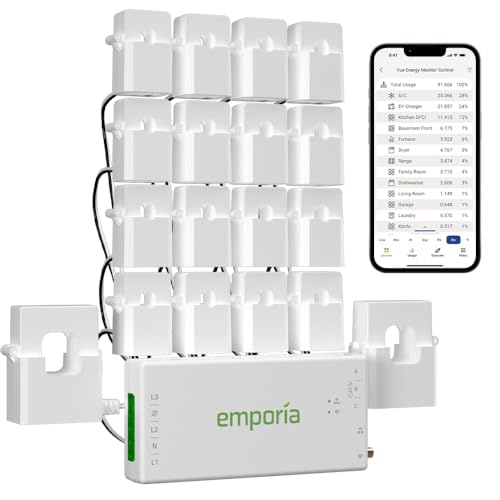
Emporia Vue 3 Home Energy Monitor – Smart Home Automation Module and Real Time Electricity Usage Monitor, Power Consumption Meter, Solar and Net Metering for UL Certified Safe Energy Monitoring
SAFETY YOU CAN TRUST WITH UL CERTIFICATION: With Emporia Energy, your home energy monitoring is safe, reliable, and…
As an affiliate, we earn on qualifying purchases.
As an affiliate, we earn on qualifying purchases.
Conclusion
Think of Smart Home Energy Tokens as the bridge connecting neighbors like a lively neighborhood marketplace. You’re not just sharing power; you’re building a sustainable community where energy flows freely and fairly. By trading surplus solar power through blockchain, you’re turning your home into a vibrant hub of renewable energy. Together, you create a symphony of conservation and innovation, proving that when neighbors work in harmony, everyone benefits from a brighter, greener future.

Smart Home Energy Monitor with 16 50A Circuit Level Sensors, Real-Time Power Usage & Electricity Cost Tracking, Ideal for Rental Homes & Shared Apartments, App History, Compatible with Home Assistant
⚡ EASY INSTALLATION: Installs in circuit panel of most homes with clamp-on sensors. Supports single-phase up to 240VAC…
As an affiliate, we earn on qualifying purchases.
As an affiliate, we earn on qualifying purchases.

The Disrupter Series: Digital Currency and Blockchain Technology
As an affiliate, we earn on qualifying purchases.
As an affiliate, we earn on qualifying purchases.
home energy microgrid kit
As an affiliate, we earn on qualifying purchases.
As an affiliate, we earn on qualifying purchases.