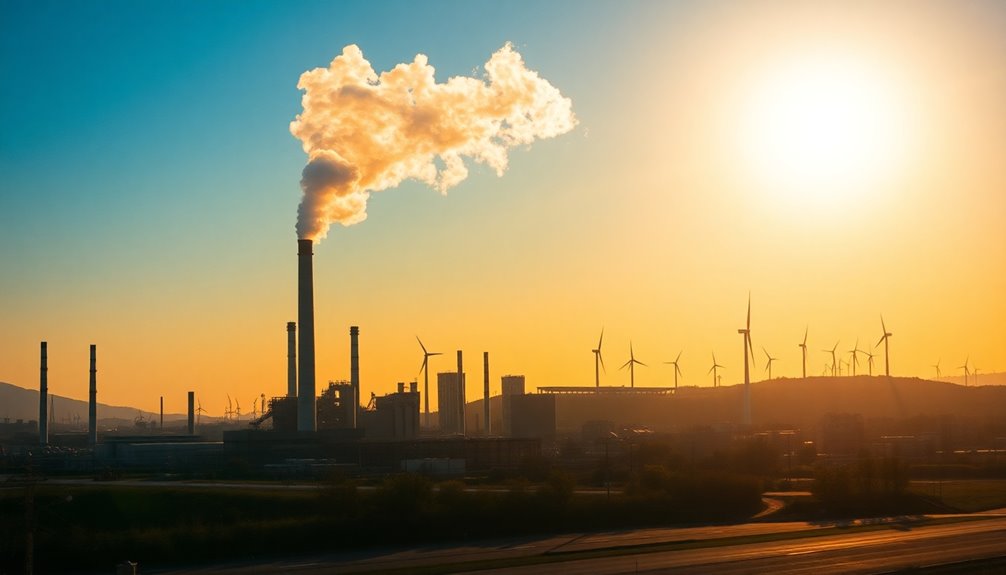

China's 1+N Policy is designed to help the country reach its carbon emission peak by 2030 and achieve carbon neutrality by 2060. It focuses on boosting energy efficiency and transitioning to renewables like wind and solar, while it addresses emissions across key sectors such as energy, industry, and transport. With strategies like carbon pricing and promoting electric vehicles, this policy is a comprehensive approach to combating climate change. Discover how this plan drives real change in China's emissions landscape.
Open a free Amazon Business account
Business pricing, bulk buying and tax-exempt orders.
As an affiliate, we earn on qualifying purchases.
Key Takeaways
- The 1+N Policy sets a clear timeline for peaking carbon emissions by 2030, driving urgent action across sectors.
- It emphasizes transitioning from coal to renewable energy, aiming for over 80% non-fossil energy consumption by 2060.
- Implementation strategies include promoting solar and wind power, reducing coal use, and adopting electric vehicles to cut transport emissions.
- Sector-specific initiatives target high-emission industries like steel and cement, ensuring tailored approaches for effective reductions.
- Financial support mechanisms and international cooperation enhance investment in low-carbon technologies, facilitating rapid progress toward emissions goals.

China's 1+N Policy on Carbon Output stands out as a pivotal strategy aimed at peaking carbon emissions by 2030 and achieving carbon neutrality by 2060. This comprehensive framework, consisting of one national policy document and numerous sector-specific plans, tackles emissions across various sectors like energy, industry, and transport.
You'll see that the policy focuses heavily on improving energy efficiency and transitioning to low-carbon technologies. The objectives are clear: peak carbon emissions before 2030 and reach carbon neutrality by 2060. To get there, China aims to significantly reduce CO2 emissions per unit of GDP and boost non-fossil energy consumption to over 80% by 2060. This transition is particularly challenging given that coal constitutes 70% of China's energy consumption, complicating emissions reduction efforts.
The policy prioritizes energy efficiency and low-carbon technologies, targeting peak emissions by 2030 and carbon neutrality by 2060.
You can expect a marked shift toward renewable energy sources such as wind and solar as part of this energy transition. Implementation strategies play a critical role in the success of the 1+N Policy. Measures include promoting solar and wind power, reducing coal consumption, and implementing carbon pricing mechanisms to drive down emissions.
You'll also notice initiatives to adopt electric vehicles to cut transport-related emissions and practices that encourage recycling and waste reduction. Sectoral plans are tailored to address specific areas needing transformation. For instance, industries like steel and cement will focus on reducing emissions, while the transport sector will see a push for green options, including electric vehicles.
Energy and infrastructure are also undergoing significant changes to ensure sustainable practices are in place. Financial support is crucial to achieving these ambitious targets. By encouraging investment in renewable technologies and establishing innovative financing tools, China is laying the groundwork for low-carbon development.
Engaging in international partnerships and participating in global climate governance further strengthens these efforts. As you can see, the 1+N Policy represents a robust strategy for addressing climate change challenges head-on.
As an affiliate, we earn on qualifying purchases.
Frequently Asked Questions
What Are the Key Components of the 1+N Policy?
The key components of the 1+N policy include an overarching guiding document and several sector-specific plans.
You'll find core documents like the Working Guidance and Action Plan, which outline climate goals such as peaking carbon emissions before 2030 and achieving carbon neutrality by 2060.
The policy emphasizes domestic actions while promoting international cooperation, focusing on various sectors like energy, transport, and buildings to drive sustainable development and lower carbon emissions effectively.
How Does the 1+N Policy Impact Other Countries?
You might think the 1+N policy only affects China, but its impact reaches far beyond.
As other countries observe China's rapid advancements in green technology and sustainable practices, they're motivated to adopt similar approaches. This policy could inspire nations to develop their own innovative frameworks for carbon reduction, enhancing global cooperation.
Additionally, China's leadership in clean energy might encourage other countries to invest in green technologies, driving worldwide innovation and sustainable development.
What Are Potential Challenges to Implementation?
When implementing new policies, you might face several challenges. Lack of clear guidelines can confuse stakeholders, making it tough to align efforts.
You'll also encounter difficulties integrating sectoral and local plans with national targets, which can lead to inconsistencies.
Economic uncertainties and the dominance of coal can hinder progress.
Additionally, technical issues like renewable energy integration, grid stability, and energy storage advancements can complicate effective implementation and delay achieving your goals.
How Does 1+N Relate to Global Climate Agreements?
The 1+N policy framework isn't just a drop in the ocean; it's a tidal wave of commitment to global climate agreements!
It aligns with the Paris Agreement by pushing for carbon peaking and ambitious renewable energy targets.
You'll see how this strategy not only enhances China's climate goals but also supports international efforts to combat climate change.
What Are Public Opinions on the 1+N Policy in China?
Public opinions on the "1+N" policy in China show growing support for environmental initiatives.
You'll notice that many citizens recognize the importance of addressing climate change and appreciate government efforts in this area.
While economic concerns often take precedence, awareness of sustainable practices is on the rise.
Increased media coverage highlighting environmental achievements also boosts public sentiment, encouraging more engagement in clean energy and carbon reduction efforts.
Conclusion
In conclusion, China's 1+N policy is paving the way for a significant reduction in carbon output, allowing the nation to hit its peak emissions sooner than expected. By fostering innovation and collaboration across various sectors, this approach demonstrates that when it comes to tackling climate change, every little bit helps. As China embraces this strategy, they're not just playing catch-up; they're setting an example for others to follow, proving that a greener future is within reach.
NFL season / tailgating Picks
team gear
As an affiliate, we earn on qualifying purchases.