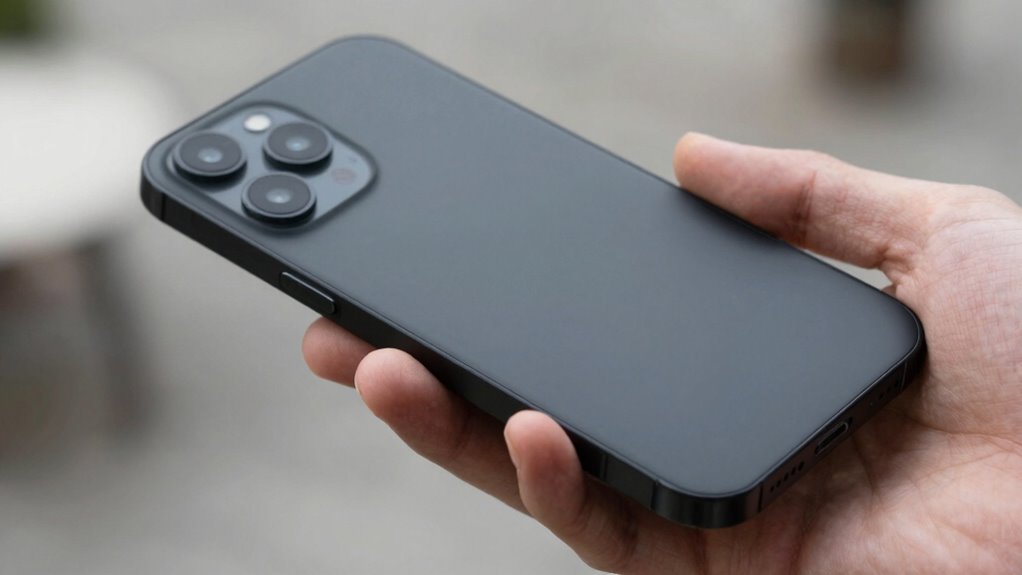

Feeling good in your hand isn’t just about looks; it’s about comfort, precision, and confidence every time you use your gadget. When a device conforms to your natural grip and provides tactile feedback, it reduces fatigue and makes interactions seamless. High-end gadgets stand out because they prioritize tactile quality, creating a sense of craftsmanship and trust. Keep exploring how design choices elevate your experience beyond what you see on paper.
Key Takeaways
- Ergonomic design reduces user fatigue, ensuring comfort during extended use.
- Tactile feedback confirms device functionality, boosting user confidence and engagement.
- Material choice and surface texture enhance sensory satisfaction and handling stability.
- Feel-good tactile qualities elevate perceived luxury and overall user trust.
- A comfortable, intuitive grip encourages prolonged use and minimizes frustration.
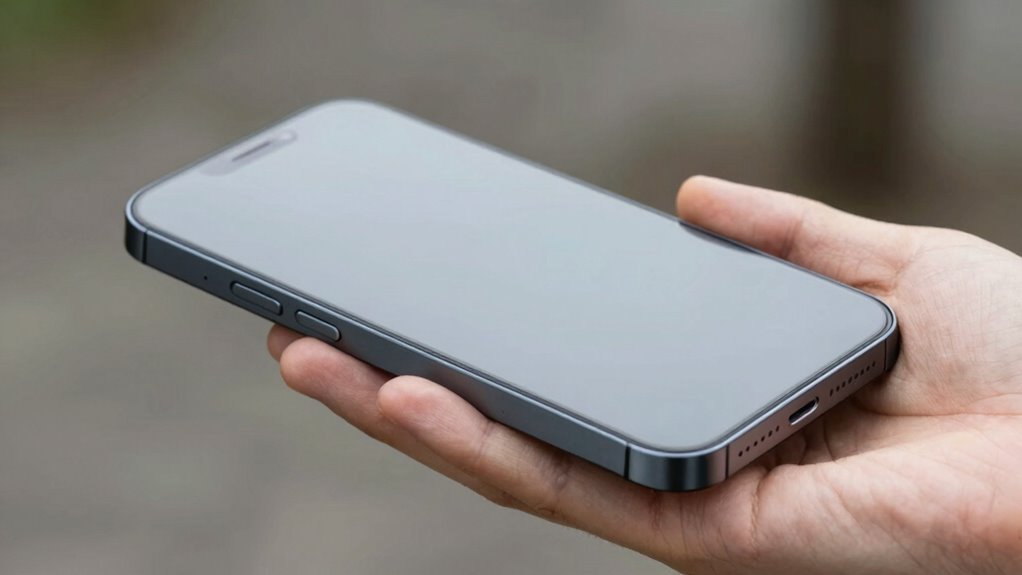
In a world where technology often feels impersonal, high-end gadgets stand out by offering more than just functionality—they deliver a tactile experience that makes you feel good in hand. When you pick up a premium device, the first thing you notice isn’t just its sleek appearance but how it fits naturally into your grip. This is the power of ergonomic design. It’s crafted to conform to your hand’s shape, reducing strain during extended use and making every interaction comfortable. A well-designed gadget feels effortless to hold, encouraging you to engage more deeply without discomfort or fatigue. You don’t just see the quality—you feel it through every touch.
Beyond shape, tactile feedback plays an essential role in elevating the experience. When you tap a button, swipe across a screen, or hear a satisfying click or vibration, you receive immediate, physical confirmation of your actions. This sensory response isn’t just about luxury; it increases your confidence in using the device efficiently. You know exactly when a command registers because of the subtle, deliberate feedback. High-end gadgets leverage this tactile feedback to create a seamless connection between your intentions and the device’s responses. It’s a way of making technology more intuitive and engaging, not just a tool to be used but an extension of yourself.
When your device feels good in your hand, it transforms the way you interact with it daily. You’re less likely to fumble or become frustrated because the design caters to your natural movements. This kind of ergonomic focus isn’t superficial—it’s rooted in understanding human anatomy and behavior. The materials chosen for these gadgets also matter. Smooth yet textured surfaces, weight distribution, and the right amount of grip make every interaction satisfying. These details may seem minor but profoundly impact your overall experience, turning what could be a mundane task into something pleasurable. Incorporating sustainable materials into design can further enhance the tactile qualities by emphasizing eco-friendly craftsmanship and durability, aligning style with responsibility. Understanding human factors plays a crucial role in optimizing these tactile experiences, ensuring the device feels just right in every way. Additionally, the use of high-quality, responsibly sourced materials not only enhances tactile pleasure but also reflects a commitment to ethical manufacturing and environmental sustainability.
Ultimately, high-end gadgets that prioritize tactile comfort and feedback aren’t just about looks on paper—they’re about how they feel and function in real life. When you’re holding a device that’s thoughtfully designed, you’re more likely to enjoy using it, trust its responses, and appreciate the craftsmanship. It’s these tactile qualities that set luxury gadgets apart, making them not only better tools but also more enjoyable companions. After all, technology should feel good in your hand—because that’s where it truly begins.
As an affiliate, we earn on qualifying purchases.
Frequently Asked Questions
How Do Ergonomic Designs Improve User Experience?
Ergonomic designs improve your user experience by making gadgets more comfortable and intuitive to use. When a device uses gesture control, ergonomic placement guarantees smooth, natural movements, reducing fatigue. Ambient lighting enhances visibility and creates a pleasant environment, making interactions effortless. These features work together to make handling high-end gadgets feel seamless, so you enjoy prolonged use without discomfort, boosting satisfaction and making technology feel more personal and accessible.
What Materials Enhance the Tactile Feel of Gadgets?
Did you know that 85% of users believe tactile feel influences their overall satisfaction with gadgets? You’ll want materials with great surface texture, like soft-touch plastics or brushed aluminum, which enhance the tactile experience. These materials also offer excellent material durability, ensuring your device feels premium and lasts longer. Choosing the right combination of surface texture and durability makes your gadget more comfortable and satisfying to hold, boosting your overall user experience.
Does Weight Affect Gadget Usability?
Yes, weight affects gadget usability considerably. Proper weight distribution makes devices comfortable to hold and reduces fatigue, especially during extended use. If a gadget is too heavy or unevenly balanced, it can slip or cause discomfort. Consider pocket portability too; a well-balanced, lightweight device fits easily without feeling cumbersome. You’ll appreciate a gadget that’s easy to carry and feels natural in your hand, enhancing overall usability.
How Important Is Grip in Gadget Design?
Grip is vital in gadget design because it directly affects comfort and control during use. You want materials that are durable yet feel good in your hand, enhancing both aesthetic appeal and practicality. A well-designed grip prevents slipping and fatigue, making your experience smoother. When a gadget feels solid and comfortable, it boosts your confidence, ensuring you enjoy its full functionality without distraction or discomfort.
Can Aesthetics Compromise Functionality?
Aesthetics can sometimes compromise functionality, like a sleek car that’s beautiful but hard to control. You know how your favorite gadget’s visual appeal influences your brand perception? If design sacrifices comfort or usability, you risk frustration and decreased satisfaction. While stunning visuals attract attention, neglecting functionality may lead users to question the product’s practicality. Striking the right balance guarantees your gadget appeals visually without sacrificing its core performance.
Conclusion
So, next time you’re tempted by that shiny, paper-perfect gadget, remember—it’s not just about specs on a screen. A device that feels good in your hand is like a loyal dog, always enthusiastic and comfortable. Don’t settle for something that’s all looks and no touch. Because honestly, if you’re going to carry a tiny piece of the future, you might as well enjoy the ride—preferably with a bit of style and a lot of comfort.