
TL;DR

Get business pricing on tech for your team
- Business-only prices and quantity discounts
- Tax-exempt purchasing
- Multiple users, one account, clear invoices
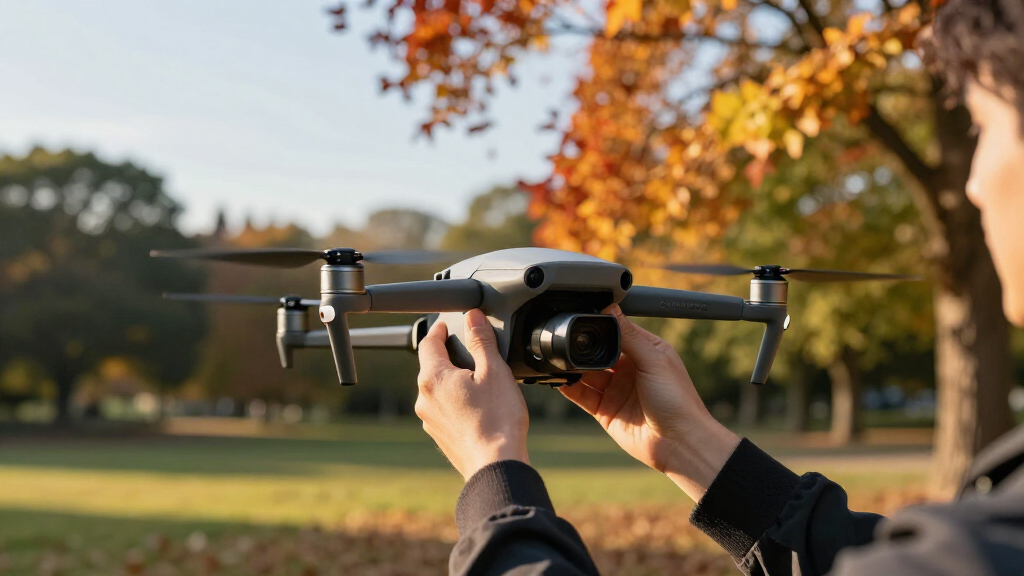
AI camera drones in 2026 are evolving rapidly, with advancements in autonomous flight, AI-powered image processing, and improved safety features. These trends are transforming industries from filmmaking to surveillance, offering more sophisticated and accessible options. This report highlights confirmed innovations and ongoing developments shaping the market.
In 2026, the landscape of AI camera drones is marked by significant technological advances, including enhanced autonomous flight capabilities and AI-driven image processing. Leading manufacturers such as DJI, Skydio, and Autel Robotics are releasing models with these features, reflecting a broader industry shift toward smarter, safer, and more versatile AI camera drones. These developments matter because they expand the potential applications of drone technology across sectors like filmmaking, agriculture, security, and emergency response, making advanced aerial imaging more accessible and reliable.
Confirmed developments include the rollout of AI-powered obstacle avoidance systems that adapt in real-time, enabling drones to navigate complex environments with minimal human input. DJI’s latest models incorporate machine learning algorithms that improve flight stability and object recognition, even in adverse conditions. Additionally, AI-driven image stabilization and processing are now standard, resulting in higher-quality footage with less post-production work. Market analysts from ThorstenMeyerAI.com note that these features are becoming increasingly integrated into mid-range and premium models, democratizing access to professional-grade aerial imaging.
Industry insiders also confirm that battery technology is advancing, with newer drones offering longer flight times—up to 45 minutes—thanks to improved power management and lighter materials. Manufacturers are emphasizing safety features, such as automatic return-to-home, geo-fencing, and AI-based risk assessment, to address regulatory concerns and consumer safety. The trend toward compact, foldable designs continues, with several models now weighing less than 250 grams, easing portability for outdoor and urban use. While these advances are well-documented, some features, particularly AI capabilities in real-time obstacle detection, are still being refined and tested in real-world conditions.
The 10 picks
- 1
 DJI Mini 5 Pro Fly More Combo Plus with DJI RC 2, 4K Camera DroneView on Amazon →
 - 2
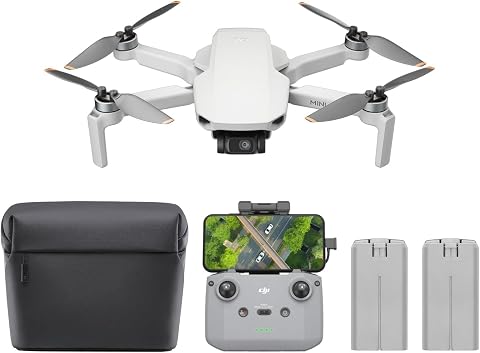 DJI Mini 4K Camera Drone Combo, 4K UHD, 249g, 3-Axis Gimbal, 10km Transmissio…View on Amazon →
 - 3
 DJI Mini 4K Drone with 4K UHD Camera and 3-Axis GimbalView on Amazon →
 - 4
 8K GPS Drone with Camera for Adults, 5G Brushless Foldable RC QuadcopterView on Amazon →
 - 5
 GPS Drone with 1080P Camera and 4.5" LCD Screen RemoteView on Amazon →
 - 6
 TD12Pro Drone with 1080P Camera and LCD Screen RemoteView on Amazon →
 - 7
 MSMV 4K HD Camera Drone, Wireless RC Toy for Boys and GirlsView on Amazon →
 - 8
 F417PRO FPV Drone with 1080P Camera and LCD Remote for Adults, Beginners, KidsView on Amazon →
 - 9
 Drone with Camera and Built-in Screen on ControllerView on Amazon →
 - 10
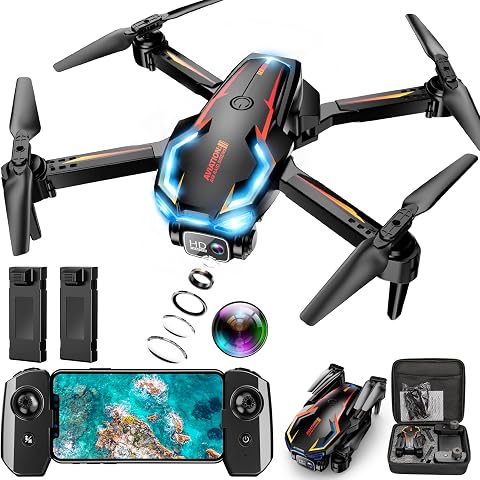 Drone with Camera for Adults, 2K HD FPV, Altitude Hold, One-Key Takeoff/Landi…View on Amazon →
Impacts of AI Advancements on Drone Capabilities
The integration of AI into camera drones in 2026 significantly enhances their autonomy, safety, and image quality. This progress reduces the need for skilled pilots, opening the technology to a broader user base, including amateurs and small businesses. For industries like filmmaking, real estate, and security, these innovations enable more complex and precise operations without costly manual control. Moreover, AI-driven safety features help address regulatory concerns, fostering wider adoption and integration into commercial and public safety applications. Overall, these trends are setting the stage for a new era of intelligent, accessible aerial technology with transformative potential across multiple sectors.
Evolution of AI Camera Drones in Recent Years
The drone industry has seen rapid growth since the early 2020s, driven by improvements in AI, battery technology, and miniaturization. Initial models focused on basic autonomous flight and high-resolution cameras, but recent years have seen a shift toward smarter, safer, and more user-friendly devices. Companies like DJI and Skydio pioneered obstacle avoidance and AI-based stabilization, setting new standards. The COVID-19 pandemic accelerated interest in contactless aerial solutions for inspection, delivery, and surveillance, pushing innovation further. As of 2026, AI capabilities are now embedded in nearly all high-end consumer and professional drones, with ongoing research aimed at enhancing real-time decision-making, environmental awareness, and image processing. The market continues to evolve, with new entrants and startups exploring niche applications, from agriculture to entertainment.
Ongoing Challenges in AI Drone Development
While many AI features are confirmed, the full extent of their reliability in diverse real-world conditions remains under testing. Real-time obstacle detection and autonomous decision-making algorithms are still being refined, and regulatory frameworks are evolving to keep pace with technological advances. It is also unclear how rapidly affordability will improve for advanced models, as high-end AI capabilities tend to increase costs. Furthermore, long-term battery performance and safety in complex environments are areas still under development, with some experts cautioning that further testing is needed before widespread adoption.
Upcoming Product Launches and Regulatory Developments
Major manufacturers are expected to unveil new AI-enabled drone models throughout 2026, with demonstrations at industry events like CES and InterDrone. These releases will likely introduce incremental improvements in autonomy, safety, and image quality. Simultaneously, regulatory agencies are working on updating rules to accommodate AI-driven autonomous drones, which could influence deployment and operational limits. Researchers and developers are also focusing on enhancing AI robustness, environmental sensing, and user interface design to ensure broader adoption. The next 12 months will be critical in determining how quickly these innovations reach mass markets and how regulations adapt to emerging capabilities.
Key Questions
What are the key AI features expected in 2026 drone models?
Expected features include real-time obstacle avoidance, autonomous flight path planning, AI-enhanced image stabilization, and intelligent scene recognition for better footage quality.
Will AI make drone operation easier for beginners?
Yes, AI advancements aim to simplify controls, enable automatic flight modes, and improve safety features, making drones more accessible to new users.
Are AI camera drones safe to use in urban environments?
With improved obstacle detection, geo-fencing, and autonomous navigation, AI drones are becoming safer for urban and complex environments, though regulatory approval varies by region.
How will AI impact drone regulation in 2026?
Regulators are working to establish rules for autonomous operation, certification, and safety standards, which will influence how and where AI drones can be used commercially and recreationally.
What industries will benefit most from AI camera drone advances?
Filmmaking, security, agriculture, emergency services, and infrastructure inspection are expected to see significant benefits from the latest AI-enabled drone capabilities.
Source: ThorstenMeyerAI.com
Halloween Picks
halloween
As an affiliate, we earn on qualifying purchases.