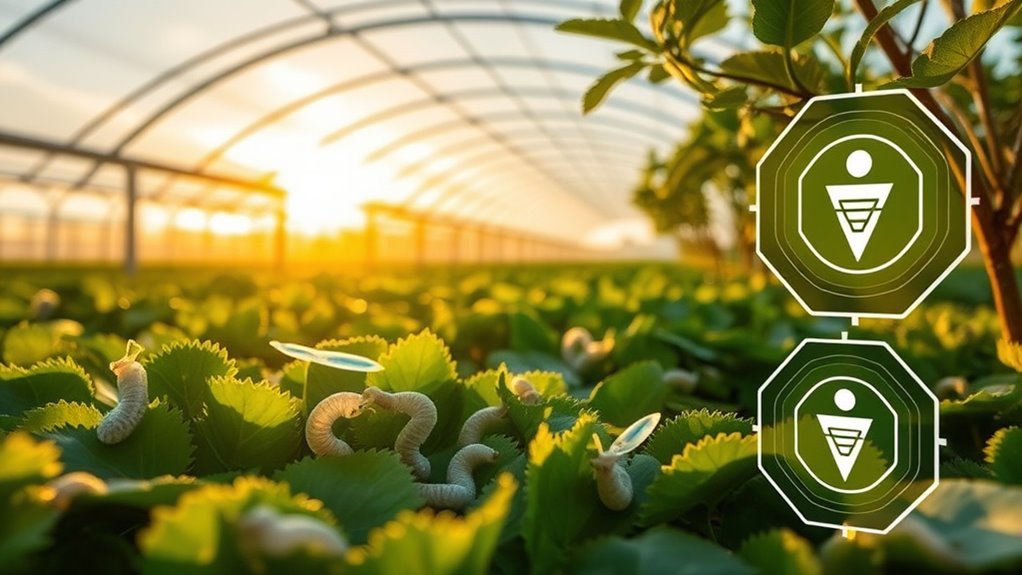

Imagine a future where every thread of silk you choose is verified for sustainability through smart contracts. This technology guarantees that producers follow eco-friendly practices and fair labor standards, all recorded transparently on the blockchain. As awareness about environmental impact grows, understanding how these digital agreements can transform the industry becomes increasingly important. Exploring how this system might reshape your expectations for genuine sustainable fashion could be worth your attention.
Listen free for 30 days with Audible
Thousands of audiobooks and originals — cancel anytime.
As an affiliate, we earn on qualifying purchases.
Key Takeaways
- Smart contracts can authenticate that silk production adheres to eco-friendly and ethical standards.
- They enable real-time verification of sustainable practices throughout the silk supply chain.
- Blockchain-based smart contracts promote transparency and accountability in silk sourcing and processing.
- Verified claims ensure consumers receive genuinely eco-conscious silk products.
- Smart contracts facilitate certification of organic, animal-welfare-friendly, and low-impact silk production methods.
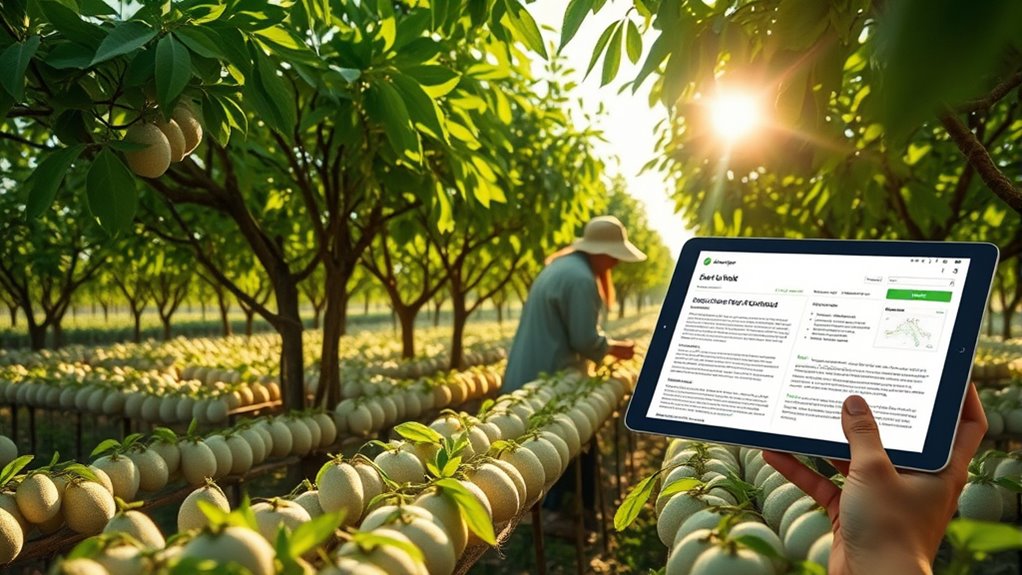
Is silk truly an eco-friendly fabric? When you look closely, you’ll find that silk has several sustainable qualities that make it stand out among textiles. It’s a renewable and biodegradable material, meaning it naturally breaks down over time without harming the environment. Plus, silk production generally requires less chemical input and energy compared to synthetic fibers or even some natural fabrics like cotton. Mulberry trees, which feed silkworms, can thrive on marginal land that doesn’t compete with food crops, reducing land-use conflicts. Traditional cottage sericulture often involves minimal water and energy use, with processes like manual spinning and weaving that don’t rely on heavy machinery. Unlike cotton farming, silk cultivation doesn’t involve pesticides, further lowering its environmental footprint. Its water footprint, around 376 liters per shirt, is considerably lower than conventional cotton, which can consume up to 3,000 liters per shirt. While this is higher than organic linen, silk still presents a more efficient choice in water use.
However, ethical concerns about silkworm harm have led to innovations like peace silk, which allows silkworms to complete their life cycle without being harmed, addressing animal welfare issues. Organic silk takes it further by avoiding pesticides and synthetic chemicals, supporting better ecological conditions and fair labor practices. Biotechnology has also paved the way for lab-grown silk, produced through engineered proteins without silkworms, offering scalable, land-efficient, and animal-free alternatives. Recycled silk is another promising avenue, reprocessing waste from the silk industry to promote circular economy principles. These advancements aim to tackle the sustainability and ethical challenges inherent in traditional silk farming. Silk’s biodegradability further enhances its appeal as an eco-friendly fabric, as it naturally decomposes without leaving persistent waste in the environment.
Despite these innovations, large-scale silk factories face criticism for high energy consumption during reeling, dyeing, and processing, which can contribute notably to their carbon footprint. Some sustainability assessments may overstate impacts because they focus on factory-scale operations, overlooking the smaller, artisanal farms that often recycle water and operate with minimal energy. These smaller producers tend to have a lower environmental impact, highlighting that the overall sustainability of silk depends on production methods.
Sericulture also offers socioeconomic benefits. It supports rural economies by providing stable livelihoods for thousands, such as weaving families in Thailand or workers in Kashmir. Silk farming helps reduce rural-to-urban migration by creating local employment opportunities. The practice also fosters a low-waste, circular economy, as silkworms are used for food, and mulberry by-products serve as forage, firewood, or even tea and fruit. Resource-wise, silk’s lower water and pesticide needs, combined with traditional manual processes, make it a relatively sustainable fabric—especially when produced with eco-conscious techniques verified by transparent systems like smart contracts. These digital tools can ensure that sustainability claims hold true, giving you confidence that your silk garments are genuinely environmentally friendly.
As an affiliate, we earn on qualifying purchases.
Conclusion
By choosing silk verified through smart contracts, you support eco-friendly practices and fair labor standards. Did you know that blockchain technology can reduce water and chemical use in silk production by up to 30%? This transparency not only guarantees you get genuine sustainable silk but also helps protect our planet. Every purchase encourages the industry to adopt greener, more ethical methods—making your choices impactful for a healthier future.
NFL season / tailgating Picks
team gear
As an affiliate, we earn on qualifying purchases.