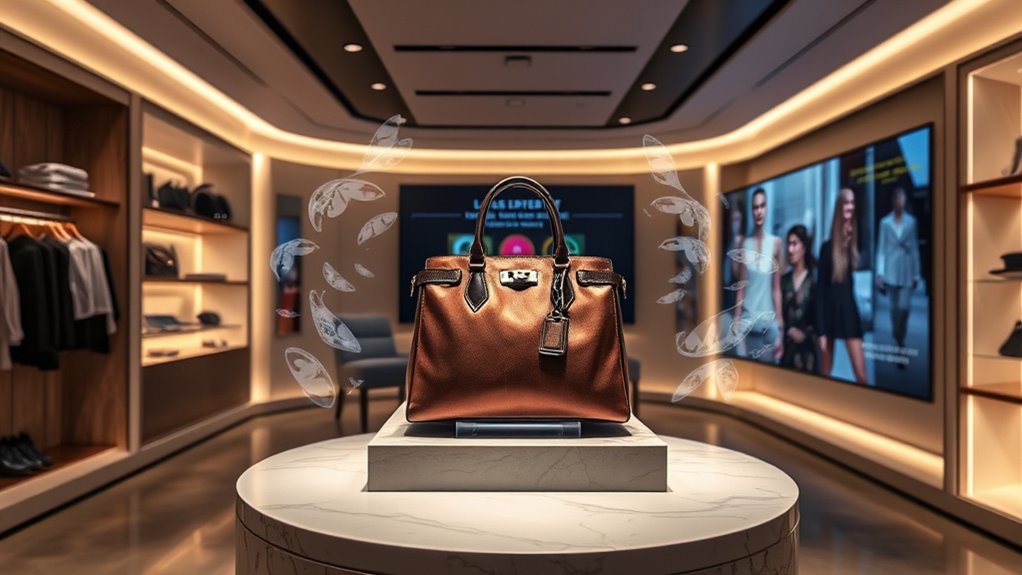

Phygital experiences blend the physical and digital domains to elevate luxury marketing. You can explore virtual showrooms, interact with augmented reality, and visualize products in real-life contexts. This innovative approach transforms shopping into an engaging journey rather than a mundane task. You’ll experience seamless connections between online and offline interactions, enhancing your overall brand engagement. As you uncover how brands leverage this trend, you’ll discover even more exciting ways it impacts your luxury shopping experience.

Get business pricing on tech for your team
- Business-only prices and quantity discounts
- Tax-exempt purchasing
- Multiple users, one account, clear invoices
Key Takeaways
- Phygital experiences seamlessly integrate physical and digital elements, enhancing engagement in luxury marketing and elevating customer journeys.
- Virtual showrooms allow customers to interact with luxury collections from home using AR, providing realistic and dynamic product exploration.
- AR applications enable customers to visualize products, such as luxury watches and shoes, enhancing confidence in their purchase decisions.
- Physical retail spaces can incorporate AR technology, creating interactive experiences that engage customers and reveal exclusive offers through smartphone interactions.
- The combination of convenience, engagement, and security in phygital experiences fosters deeper customer loyalty and transforms luxury shopping.
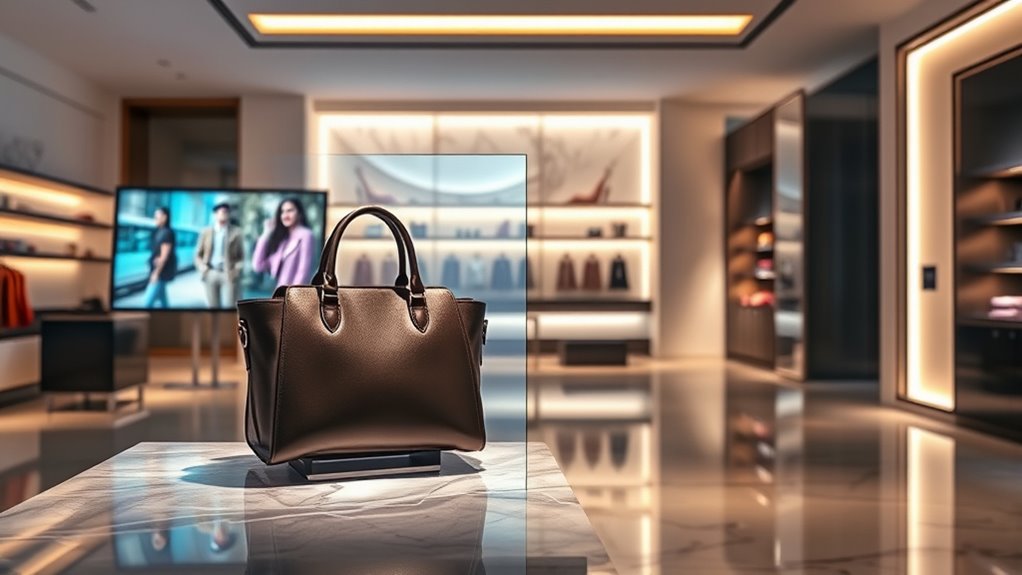
As technology continues to blur the lines between the physical and digital worlds, you might find yourself immersed in what’s known as phygital experiences. These experiences seamlessly blend the tangible and virtual spheres, offering you an innovative way to engage with brands, products, and services. In luxury marketing, phygital experiences elevate the customer journey, making it more interactive and personalized. One of the most exciting aspects of this trend is the rise of virtual showrooms, which enable you to explore products in a dynamic and engaging environment.
Imagine stepping into a virtual showroom where you can browse an exquisite collection of luxury items from the comfort of your home. With augmented reality (AR), you’re not just looking at static images; you’re interacting with 3D models that allow you to view products from every angle. You can get a sense of their size, texture, and details, making your online shopping experience feel much more real. This technology creates a bridge between the online and offline worlds, letting you see how a new handbag would look with your outfit or how a piece of furniture fits into your living space.
As you navigate these virtual showrooms, you’ll notice that brands are increasingly utilizing AR to enhance the shopping experience. For instance, you might find an app that lets you visualize how a luxury watch looks on your wrist or how a pair of shoes complements your style. This immersive approach not only captures your attention but also builds your confidence in making purchasing decisions. You can experiment with different combinations, making the shopping experience feel like a fun and engaging game rather than a chore.
Moreover, phygital experiences extend beyond virtual showrooms. Brands are integrating AR into brick-and-mortar stores, allowing you to uncover additional product information or exclusive offers simply by pointing your smartphone at an item. This synergy enhances your shopping journey, as you’re not just a passive observer but an active participant, exploring and discovering in real-time.
Ultimately, phygital experiences are revolutionizing how you interact with luxury brands. They provide an alluring mix of convenience and engagement, allowing you to enjoy the benefits of both worlds. By embracing these innovations, brands are not only enhancing your experience but also fostering deeper connections that can lead to lasting loyalty. Furthermore, the integration of penetration testing ensures that these digital platforms remain secure and trustworthy for consumers. So, the next time you’re shopping for luxury items, keep an eye out for these exciting phygital experiences—they’re changing the game.
luxury virtual showroom AR glasses
As an affiliate, we earn on qualifying purchases.
As an affiliate, we earn on qualifying purchases.
Frequently Asked Questions
What Are Some Examples of Successful Phygital Experiences in Luxury Marketing?
You might consider how brands like Gucci use augmented reality in their apps, allowing you to virtually try on shoes before purchasing. Another example is Burberry, which offers personalized services through digital consultations combined with in-store experiences. These brands create a seamless blend of physical and digital, enhancing your shopping experience and making it more engaging. By embracing these strategies, you’ll find luxury shopping feels both innovative and tailored just for you.
How Can Brands Measure the Effectiveness of Phygital Strategies?
You can measure the effectiveness of phygital strategies by tracking customer engagement and brand loyalty. Use analytics tools to monitor online interactions and in-store visits, evaluating how well they align. Surveys and feedback can reveal customer sentiments, while sales data shows the impact on loyalty. Additionally, track social media mentions and reviews to gauge brand perception. By analyzing these metrics, you’ll gain valuable insights into your phygital approach’s success.
What Technologies Are Driving Phygital Experiences in Luxury?
Augmented Reality and Artificial Intelligence are the key technologies driving phygital experiences in luxury. With augmented reality, you can visualize products in your space before purchasing, enhancing your shopping experience. Meanwhile, artificial intelligence tailors recommendations based on your preferences, making interactions more personal. Together, these technologies create a seamless blend of digital and physical environments, allowing you to engage with luxury brands in innovative and immersive ways that resonate with your lifestyle.
How Do Consumers Perceive Phygital Experiences Compared to Traditional Marketing?
You perceive phygital experiences as more engaging than traditional marketing. They enhance customer engagement by combining sensory perception with interactive elements, creating a memorable experience. Instead of just viewing an ad, you’re immersed in a brand’s story, feeling connected through digital touchpoints. This blend not only captures your attention but also resonates on a deeper level, making you more likely to remember and prefer the brand over conventional methods.
What Challenges Do Brands Face When Implementing Phygital Marketing Strategies?
Brands face several challenges when implementing phygital marketing strategies. You’ll notice that consumer privacy concerns often arise, making it difficult to collect and utilize data effectively. Additionally, achieving seamless technological integration can be tricky; if the physical and digital elements don’t work together smoothly, it can frustrate consumers. Brands must also guarantee that their staff is trained to handle these new technologies, which can add to the complexity of execution.
Conclusion
In today’s luxury market, phygital experiences are like a perfectly blended cocktail—each ingredient enhances the other, creating something truly exceptional. By seamlessly merging the physical and digital spheres, brands can offer you a unique journey that engages all your senses. This innovative approach not only elevates your shopping experience but also strengthens your emotional connection to the brand. Embrace the phygital, and you’ll find yourself immersed in a world where luxury knows no boundaries.
Fall Picks
fall essentials
As an affiliate, we earn on qualifying purchases.