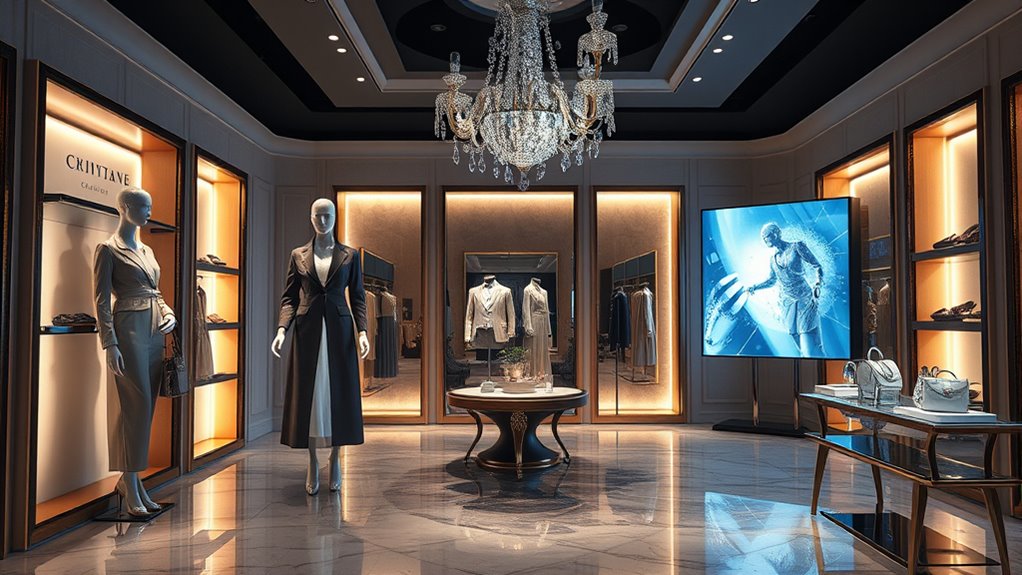

Hyper-personalization is changing the game in luxury marketing. With AI and data analytics, you can create tailored experiences that connect with your individual preferences and past interactions. Instead of generic ads, you’ll receive content that speaks directly to your lifestyle and values. This approach builds emotional connections, fosters loyalty, and transforms shopping into a curated journey. Want to explore how these strategies can enhance your brand’s presence and customer relationships? There’s more to discover.
Key Takeaways
- AI and data analytics enable luxury brands to create hyper-personalized experiences that resonate with individual customer preferences and behaviors.
- Hyper-personalization shifts away from generic marketing, using insights to deliver tailored content that aligns with customer values and lifestyles.
- Experiential marketing, combined with data, fosters memorable moments and emotional connections, enhancing customer loyalty and brand engagement.
- Personalized digital marketing campaigns leverage data insights to optimize messaging and improve engagement rates across email and social media platforms.
- By focusing on personalized experiences, luxury brands differentiate themselves and maintain relevance in a competitive market landscape.

As luxury brands navigate a rapidly evolving market, they’re discovering that AI and data analytics aren’t just buzzwords—they’re essential tools for staying competitive. You might be wondering how these technologies can transform the way you connect with your customers. The answer lies primarily in hyper-personalization, where luxury brands tailor their offerings to meet individual customer preferences and behaviors. By leveraging AI, you can analyze vast amounts of data to create unique experiences that resonate deeply with your audience.
Imagine walking into a luxury store where every detail feels curated just for you. That’s the power of hyper-personalization. With AI-driven insights, brands can predict what you want based on your past purchases, browsing history, and even social media activity. Instead of generic marketing messages, you get content that speaks directly to your interests and aspirations. This is where brand storytelling comes into play. When you craft compelling narratives that align with your customers’ values and lifestyles, you’re not just selling a product; you’re inviting them into an experience they can relate to.
Experience the magic of hyper-personalization, where every detail feels tailored just for you, transforming shopping into a relatable journey.
Moreover, experiential marketing takes this a step further. It’s about creating memorable moments that engage your customers on a deeper level. When you combine data analytics with experiential marketing, you can design events and experiences that feel personalized. For instance, if you know a customer has a penchant for art, you might invite them to an exclusive gallery opening that features artists aligned with your brand. This kind of tailored experience makes customers feel valued and understood, reinforcing their loyalty to your brand.
You might also want to contemplate how AI can enhance your digital presence. From personalized email campaigns to targeted social media ads, the right data insights can help you craft messaging that truly resonates. Think about it: by understanding your audience’s preferences, you can optimize your content to align with their desires, ensuring higher engagement rates. Additionally, using website performance metrics can help you assess how effectively your personalized strategies are driving customer interactions.
In a world where consumers are bombarded with choices, hyper-personalization through AI and data analytics allows you to stand out. It’s not just about selling luxury items; it’s about building relationships that last. When you focus on brand storytelling and experiential marketing, you create an emotional connection that fosters loyalty. So, as you adopt these tools, remember that the goal is to create an experience that feels personal, exclusive, and unforgettable. That’s how you’ll keep your brand at the forefront of the luxury market.
Frequently Asked Questions
How Does Hyper-Personalization Improve Customer Engagement in Luxury Marketing?
Hyper-personalization improves customer engagement in luxury marketing by creating personalized experiences tailored specifically to your preferences. When brands understand your unique tastes and behaviors, they can offer you relevant products and services that resonate with you. This tailored approach not only captures your attention but also fosters customer loyalty, as you feel valued and understood. In turn, you’re more likely to remain loyal to brands that consistently cater to your individual needs and desires.
What Challenges Do Brands Face Implementing AI in Luxury Marketing?
Brands face several challenges when implementing AI in luxury marketing. You’ll encounter data privacy concerns, as customers are increasingly wary of how their information’s used. Ensuring compliance with regulations can be tough. Additionally, technological integration poses hurdles; aligning existing systems with new AI solutions requires time and resources. You might also struggle with the need for skilled talent to manage these technologies effectively, impacting your ability to fully harness AI’s potential.
Are There Ethical Concerns With Using Consumer Data for Personalization?
Yes, there are ethical concerns with using consumer data for personalization. You’re likely aware that privacy concerns can arise when brands collect and utilize personal information. Consumers may feel uneasy about how their data’s handled, which can erode their trust. If brands don’t prioritize transparency and data protection, they risk damaging relationships with their audience. Balancing personalization with ethical practices is essential for maintaining consumer trust and fostering long-lasting connections.
How Can Small Luxury Brands Utilize Hyper-Personalization Effectively?
“Good things come in small packages.” Small luxury brands can effectively utilize hyper-personalization by focusing on boutique storytelling that resonates with your audience. Craft unique narratives around your products that highlight their exclusivity and craftsmanship. Additionally, consider exclusive collaborations with artists or influencers that align with your values, creating a sense of community and allure. By connecting on a personal level, you’ll make your brand unforgettable in the luxury market.
What Future Trends Can We Expect in Luxury Marketing and Hyper-Personalization?
You can expect future innovations in luxury marketing to heavily leverage emerging technologies like AI and augmented reality. Personalized experiences will become even more immersive, allowing you to interact with brands in unique ways. Expect tailored recommendations based on your preferences and behaviors, creating a deeper connection. Additionally, sustainability will play an essential role, with brands using data to align their offerings with your values, enhancing not just personalization, but also your overall experience.
Conclusion
As you step into the world of luxury marketing, imagine the thrill of a brand knowing exactly what you desire before you even do. With AI and data weaving a tapestry of hyper-personalization, the future holds endless possibilities. Picture yourself receiving an exclusive offer tailored just for you, igniting a sense of connection that’s impossible to resist. Will you embrace this revolution, or will you let the opportunity slip through your fingers? The choice is yours.