An analysis of the complex relationship between AI, national sovereignty, and legal frameworks, focusing on Canadian and European data laws.
Browsing Category
Legal Operations
63 posts
Significant Shifts In AI: Three Gates Close In A Rapid 19-Day Span
China, the EU, and the US each implement significant AI pre-release regulations within 19 days, marking a new era of diverse AI governance approaches.
Dissecting The 24% Rule: The Truth About AI Sovereignty Testing
An analysis of the 24% ownership cap in France’s SecNumCloud framework, its implications for AI providers, and the ongoing debate over sovereignty testing.
AI Benchmarks: Washington’s Classified Strategy Behind The August 1 Deadline
U.S. government to implement a classified AI benchmarking process by August 1, affecting AI developers and national security measures.
Why Canada Is The Unsung Hero Of Europe’s AI Sovereignty
Analysis of how Canadian firm Cohere’s acquisition of German AI firm Aleph Alpha positions Canada as a key player in European AI sovereignty efforts.
What xAI’s Grok Build CLI Actually Sends to xAI
Confirmed: The Grok Build CLI transmits user build data to xAI servers, raising privacy and security questions. Details on what is sent remain unclear.
Al Vigier: Canada’s AI Strategy Shouldn’t Include Secret Palantir Bills
Canadian AI expert Al Vigier criticizes the inclusion of secret Palantir contracts in the country’s AI development plans, calling for transparency.
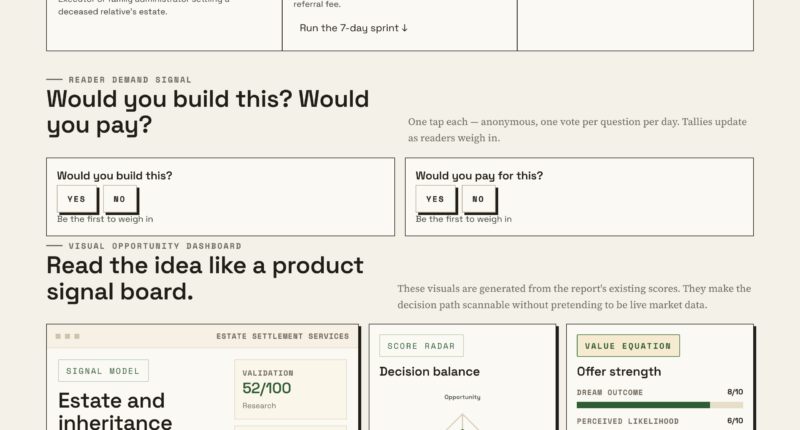
Estate And Inheritance Facilitator Marketplace
A new estate and inheritance facilitator marketplace is being tested to streamline estate settlement for executors amid rising wealth transfer and digital assets.
The Eye Over The City: How Wide-Area Motion Imagery Works — And Where It Goes Blind
An in-depth look at how Wide-Area Motion Imagery (WAMI) works, its applications, and future developments in persistent city surveillance and sensor fusion.
A Frontier AI Model Just Went Dark for 18 Days. The Kill-Switch Is Real Now.
A leading AI model was forcibly shut down by US government order for 18 days, marking a new era of government-controlled AI releases and safety measures.