
📊 Full opportunity report: US Military Cyber Teams Fight Hidden Battle: Mental Health And Suicide on IdeaNavigator AI — validation score, market gap, and execution plan.

Get business pricing on tech for your team
- Business-only prices and quantity discounts
- Tax-exempt purchasing
- Multiple users, one account, clear invoices
TL;DR
US military cybersecurity units are experiencing a surge in suicides, raising concerns about mental health support. The Pentagon confirms the cluster, but details remain limited. This underscores the mental health risks faced by cyber personnel.
The US Cyber Command has publicly acknowledged a cluster of suicides among its personnel, marking a significant and concerning development for military cybersecurity units. This confirmation comes amid broader discussions about mental health challenges faced by service members, especially those in high-stress roles. The incident underscores the importance of mental health support within the military and highlights an area of growing concern for defense officials and mental health advocates alike.
According to an official statement from the Pentagon, multiple suicides have occurred within the US Cyber Command over recent months. While the exact number has not been disclosed, sources close to the matter confirm that the cluster has prompted internal reviews and increased mental health outreach efforts. The military has not provided specific details about the individuals involved or the circumstances surrounding these deaths, citing privacy considerations.
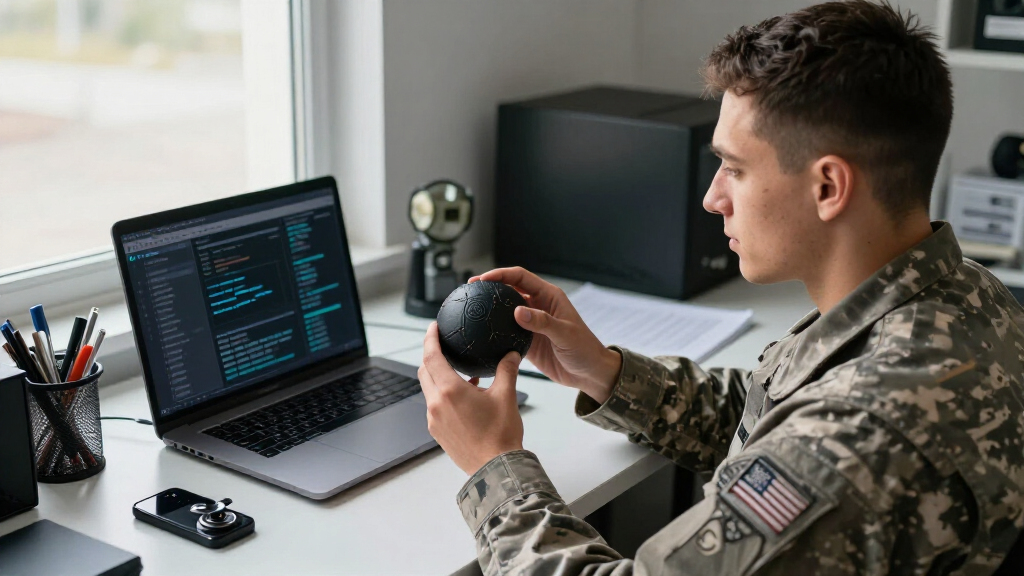
Cybersecurity roles within the military are known for high stress, due to the demanding nature of defending against sophisticated cyber threats and the pressure of operational secrecy. Experts have long warned that these stressors can contribute to mental health struggles, including depression and suicidal ideation. The Pentagon’s acknowledgment signals a shift toward greater transparency and concern about the well-being of cyber personnel.
Impact of Mental Health Challenges on Military Cybersecurity
This development is significant because it highlights a critical mental health issue within a specialized and vital segment of the military. As cyber threats grow more complex and demanding, personnel in these roles face intense pressure, which can affect their mental well-being. The cluster of suicides underscores the need for targeted mental health support and indicates that these issues are not isolated but part of a broader challenge facing military cybersecurity units. Addressing mental health proactively is essential to maintaining operational readiness and protecting personnel.
mental health support for military personnel
As an affiliate, we earn on qualifying purchases.
As an affiliate, we earn on qualifying purchases.
Rising Awareness of Mental Health Risks in Cyber Roles
Over the past few years, mental health concerns among military personnel have gained increased attention, with reports of rising suicide rates across various branches. Cyber units, in particular, have been identified as high-risk groups due to the unique stressors of their work—long hours, high-stakes environments, and secrecy. The Pentagon has previously launched initiatives to improve mental health services, but incidents like this cluster reveal ongoing vulnerabilities and the need for more targeted interventions.
Historically, military cybersecurity has been a relatively new and rapidly evolving field, with personnel often working in isolated or high-pressure environments. The recent acknowledgment of suicides marks a notable step in transparency, but experts say more comprehensive measures are needed to support mental health and prevent future tragedies.
“We are deeply concerned about the recent cluster of suicides within Cyber Command and are committed to providing the necessary support to our personnel.”
— Pentagon spokesperson
Details of the Incidents and Ongoing Support Efforts
It is not yet clear how many suicides have occurred or the specific circumstances surrounding each case. The Pentagon has not disclosed detailed information about the individuals involved or the timeline of events. Additionally, it remains uncertain what specific mental health initiatives are being implemented in response, and how effective they will be in preventing further tragedies.
Next Steps for Addressing Mental Health in Cyber Units
The Pentagon is expected to conduct internal reviews and increase mental health outreach to cyber personnel. Future efforts may include targeted counseling programs, peer support initiatives, and policy changes aimed at reducing stress and stigma. Monitoring the situation and evaluating the effectiveness of these measures will be critical in the coming months.
Key Questions
How many suicides have been confirmed within the US Cyber Command?
The Pentagon has confirmed a cluster of suicides but has not disclosed an exact number or details about the individuals involved.
What mental health resources are available for military cyber personnel?
The military provides mental health services, including counseling and peer support, but experts say these may need to be tailored further to meet the high-stress demands of cyber roles.
Are other military branches experiencing similar issues?
While mental health challenges are widespread across the military, specific data on other branches’ cyber units is limited. The Pentagon’s acknowledgment indicates a broader concern about mental health in high-stress roles.
What can organizations learn from this incident?
This situation underscores the importance of proactive mental health support, targeted interventions, and reducing stigma around seeking help, especially in high-pressure, specialized roles like cybersecurity.
Source: IdeaNavigator AI
Fall Picks
fall essentials
As an affiliate, we earn on qualifying purchases.