
AIThis post was created with the assistance of artificial intelligence (AI).
TL;DR
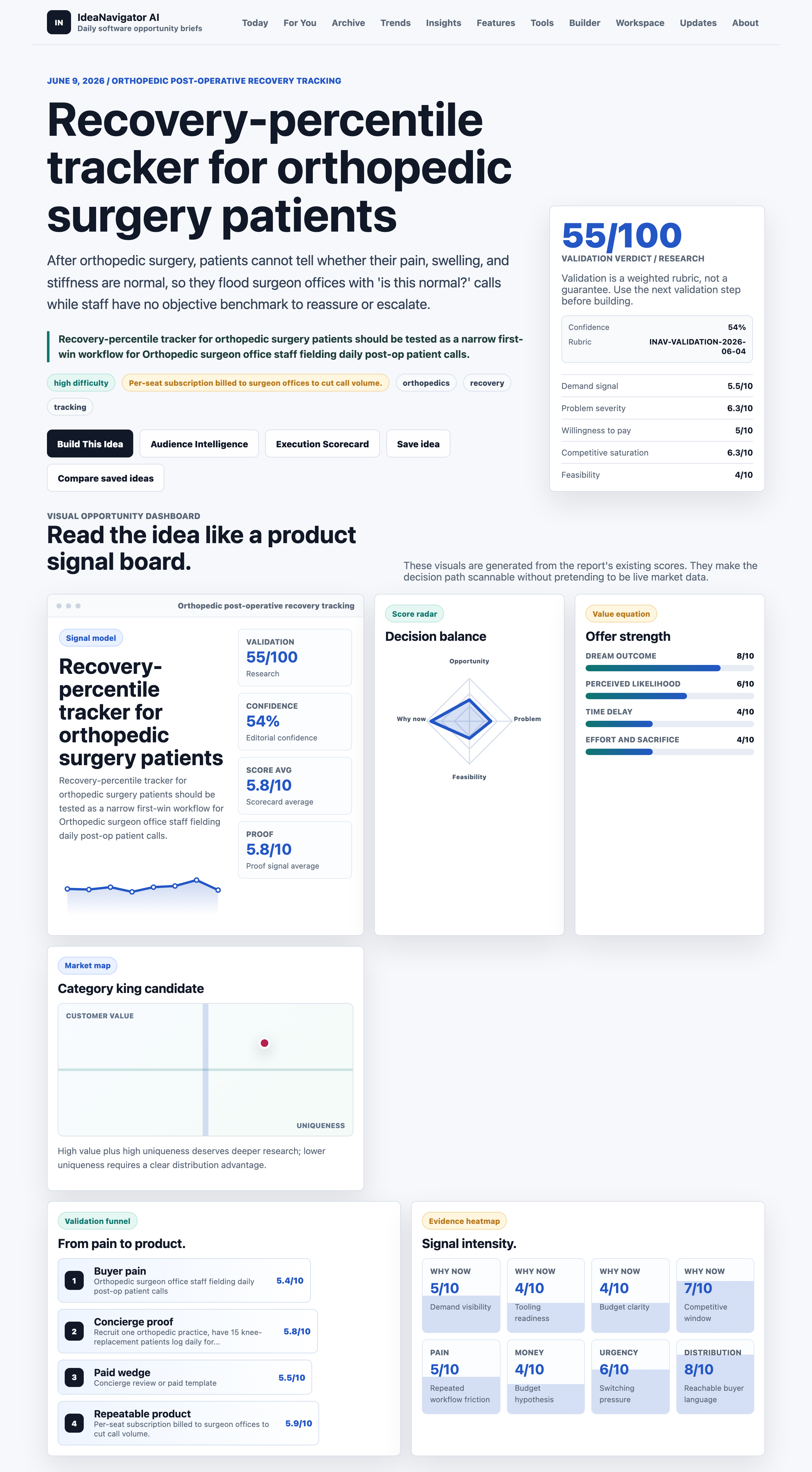
A novel recovery-percentile tracker for orthopedic surgery patients is being tested to help office staff assess patient progress objectively. Early pilot aims to reduce post-op call volume and improve patient reassurance.
At a glance
reportWhen: initial testing phase underway, develop…
The developmentA recovery-percentile tracking system for orthopedic surgery patients is entering pilot testing to evaluate its effectiveness in reducing post-op calls and providing objective recovery benchmarks.
Potential to Transform Post-Operative Patient Management
This tracker could significantly improve post-operative care by providing objective, data-backed benchmarks for recovery, reducing patient anxiety, and easing the workload of office staff. If successful, it may set a new standard for outpatient orthopedic follow-up, especially as outpatient procedures continue to rise and staffing challenges persist. The system’s ability to flag abnormal recoveries early could lead to better patient outcomes and more efficient resource use in orthopedic practices.Amazon
As an affiliate, we earn on qualifying purchases.
Growing Need for Objective Post-Op Recovery Tools
Outpatient orthopedic procedures, such as knee replacements, are increasing rapidly, driven by advances in surgical techniques and patient preferences. However, many patients experience uncertainty about their recovery, leading to a surge in phone calls to surgeon offices asking if their symptoms are normal. Staff often lack objective benchmarks to reassure or escalate patient concerns, resulting in inefficiencies and increased workload. The concept of a recovery-percentile tracker emerged as a potential solution to provide standardized, real-time assessments of patient progress, leveraging data analytics to improve post-op management. Pilot testing of such tools is still in early stages, with initial efforts focusing on knee replacement patients over a two-week period.“The goal is to give both patients and staff an objective way to understand recovery progress, reducing unnecessary calls and improving care quality.”
— an anonymous researcher
Uncertainties About Effectiveness and Adoption
It is not yet clear whether the recovery-percentile tracker will significantly reduce call volume or improve patient outcomes in real-world settings. The pilot involves only a small sample over a short period, and results are pending. Broader adoption will depend on validation studies, integration with existing systems, and user acceptance among both patients and staff. Further data is needed to confirm whether the tool can be scaled effectively across diverse practices and procedures.Next Steps for Validation and Broader Implementation
Researchers plan to complete the pilot study within the coming months, analyzing whether tracked patients place fewer calls and experience better satisfaction. If results are positive, the system will undergo further testing across multiple practices and procedures. Developers aim to refine the platform based on user feedback and prepare for commercialization as a subscription service. Long-term, the goal is to establish recovery-percentile tracking as a standard component of outpatient orthopedic care, with potential expansion to other surgical specialties.Key Questions
How does the recovery-percentile tracker work?
Patients log daily symptoms such as pain, swelling, and mobility milestones, which are then compared to anonymized recovery curves for their specific surgery, providing a percentile ranking of their progress.Will this system replace in-person follow-ups?
No, it is designed to supplement existing care by providing objective data that can help determine if a patient needs in-person evaluation or reassurance, potentially reducing unnecessary visits.Is the tracker suitable for all types of orthopedic surgeries?
Currently, the pilot focuses on knee replacements, but the concept could be adapted for other procedures as validation progresses.When will this system be available for widespread use?
If pilot results are positive, developers plan to expand testing and aim for commercial release within the next year or two, pending further validation and integration efforts.What are the potential limitations of the tracker?
Limitations may include variability in patient reporting, data privacy concerns, and the need for integration with clinical workflows. Effectiveness will depend on user acceptance and proper implementation.Source: IdeaNavigator AI