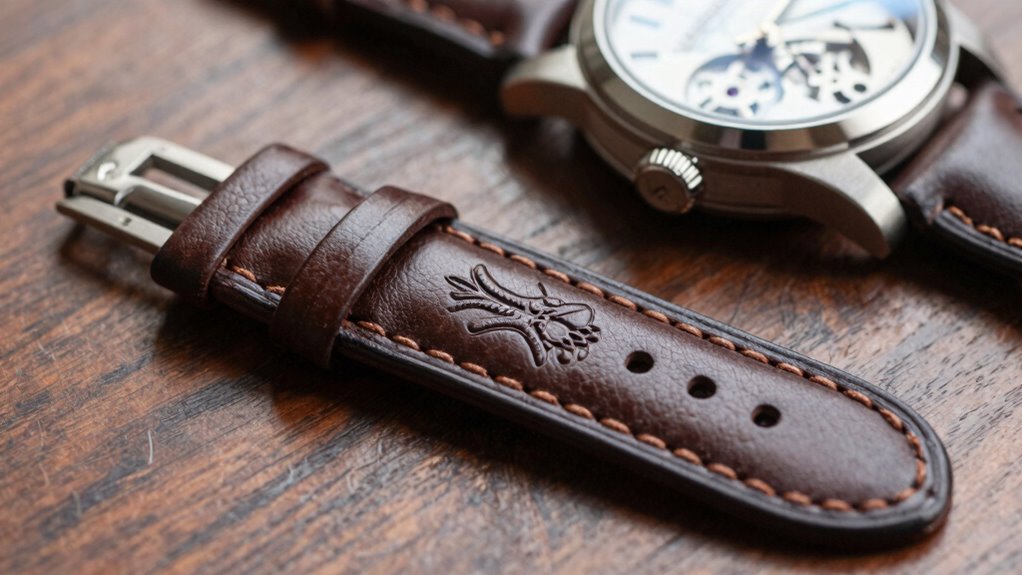
In premium goods, you expect transparency and authenticity since you’re paying a high price for exclusivity and craftsmanship. Traceability helps guarantee product quality, prevents counterfeiting, and protects your investment. It also builds trust by showing each step of the supply chain, supporting ethical sourcing, and confirming genuine origins. Since your purchase is valuable, you need reliable verification systems in place. Stay with us, and you’ll discover why traceability is a game-changer for luxury and premium products.

Get tech for your team delivered free — and shop member deals
- Fast, free delivery on millions of items
- Access to Prime Big Deal Days deals on October 6–7
- Prime Video, Amazon Music and more included
Key Takeaways
- Premium goods require higher authenticity assurance due to their higher value and exclusivity.
- Consumers expect detailed provenance, making traceability crucial for trust and brand reputation.
- Counterfeiting and unethical sourcing pose greater risks to luxury brands, necessitating rigorous traceability.
- Advanced tracking technologies are essential to meet regulatory and ethical standards in premium markets.
- Traceability differentiates luxury brands by demonstrating commitment to quality, transparency, and responsible sourcing.
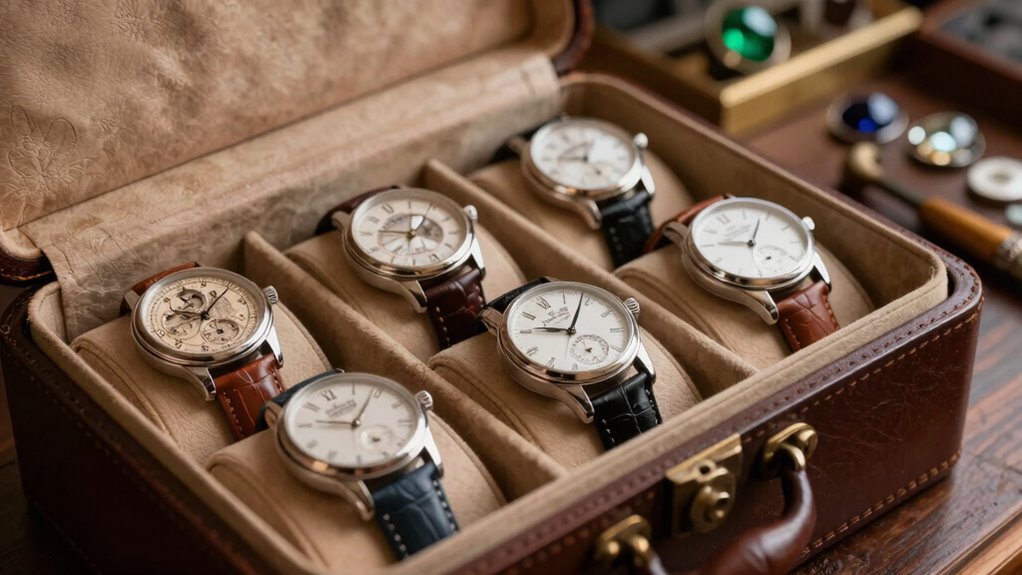
Have you ever wondered how premium brands guarantee the quality and authenticity of their products? The answer lies in the importance of traceability, especially in the luxury and high-end markets. In these sectors, customers seek assurance that what they’re buying is genuine and of the highest standard. The supply chain must be carefully monitored to prevent issues like counterfeiting or sourcing from unethical suppliers. That’s where supply chain transparency becomes critical. When brands can trace each step of their product’s journey — from raw material to finished good — they build trust. This transparency isn’t just about sharing information; it’s about actively verifying that every component meets strict quality standards and is authentic. Authenticity verification ensures that counterfeit or subpar materials don’t slip into the process, protecting both the brand’s reputation and the consumer’s investment.
In premium markets, the stakes are much higher than in mass-market sectors. Customers are paying a premium for exclusivity, craftsmanship, and authenticity. If there’s any doubt about a product’s origin or quality, it diminishes its value and can lead to customer distrust. This is why traceability becomes more than a convenience — it’s a necessity. By implementing robust systems for supply chain transparency, brands can quickly identify and address any issues that might compromise authenticity. Whether it’s tracking the source of rare materials like sapphires or verifying the origin of organic ingredients in luxury cosmetics, these measures help maintain integrity. This process often involves advanced tracking technologies that enhance the accuracy and reliability of traceability efforts. Additionally, regulatory compliance can serve as a benchmark for establishing trustworthy supply chains. Ensuring traceability standards are met across all stages reassures customers and regulators alike that products are genuine and ethically sourced. Authenticity verification isn’t just a one-time check; it’s an ongoing process that ensures each product remains genuine throughout its lifecycle. Moreover, integrating supply chain transparency practices can help brands meet increasing consumer demands for ethical sourcing and responsible production. Establishing a comprehensive traceability system can also serve as a competitive advantage by demonstrating the brand’s commitment to quality and transparency.
Furthermore, in premium markets, consumers often demand detailed information about their purchases. They want to know the story behind each product — where it came from, how it was made, and what makes it unique. Providing this transparency not only satisfies curiosity but also enhances perceived value. When you can confidently verify authenticity at every stage, it reassures customers that their investment is protected. It also helps brands differentiate themselves from counterfeiters and lower-quality competitors. In essence, traceability in premium goods isn’t just about compliance or record-keeping; it’s about creating a secure, trustworthy experience. It reassures customers that their luxury items are authentic, ethically sourced, and crafted with care. This level of assurance is what elevates premium brands above mass-market products, reinforcing why traceability matters more in the luxury segment.
luxury product authenticity verification tools
As an affiliate, we earn on qualifying purchases.
As an affiliate, we earn on qualifying purchases.
Frequently Asked Questions
How Does Traceability Influence Consumer Trust in Luxury Brands?
Traceability substantially boosts your trust in luxury brands by enabling authenticity verification, ensuring you receive genuine products. When brands provide clear traceability, they protect their reputation, showing they’re committed to quality and transparency. This openness reassures you that your investment is authentic and ethically sourced, strengthening your confidence in the brand’s integrity. Ultimately, traceability fosters a deeper connection, making you more loyal and satisfied with your luxury purchases.
What Challenges Do Premium Brands Face in Maintaining Traceability?
You face challenges in maintaining traceability due to supply chain complexity, which involves managing numerous suppliers and intricate logistics. Ensuring brand authenticity becomes harder as you track every product detail across diverse sources. These hurdles require advanced systems to verify origins and prevent counterfeit risks. By overcoming them, you preserve your premium brand’s reputation, build consumer trust, and demonstrate transparency, ultimately reinforcing the exclusivity and integrity of your luxury offerings.
How Is Traceability Technology Different for Premium Versus Mass-Market Products?
Imagine a web of shimmering gold threads—premium traceability tech is that intricate. You use advanced supply chain transparency tools like blockchain and IoT sensors, enabling authenticity verification at every step. In mass-market products, simpler barcode systems suffice, but for premium goods, you need sophisticated, real-time solutions to guarantee authenticity and uphold brand integrity. This difference keeps luxury brands one step ahead, guarding their reputation fiercely.
Does Traceability Impact the Pricing of High-End Goods?
Traceability definitely impacts the pricing strategy of high-end goods, as it often justifies premium prices through transparency and authenticity. You’ll find that the cost implications of implementing traceability can be higher, but they add value by assuring quality and origin. This added assurance appeals to discerning customers, allowing you to position your products as exclusive, which can lead to increased willingness to pay a premium.
What Are Future Trends in Traceability for Luxury Industries?
You’ll see future trends in luxury industries focus on blockchain integration, which enhances transparency and security in supply chains. This technology allows you to verify the authenticity and ethical sourcing of goods easily. As a consumer, you’ll increasingly demand proof of ethical sourcing, prompting brands to adopt advanced traceability methods. This shift guarantees you can trust that your luxury purchases are genuine, ethically sourced, and environmentally responsible, strengthening brand loyalty and value.
Conclusion
Think of traceability as the lighthouse guiding your journey through a sea of choices. In the domain of premium goods, it’s your beacon of trust, illuminating the path to authenticity and quality. Without it, you’re sailing blind, risking the storm of counterfeit and doubt. So, embrace traceability as your steady lighthouse — a symbol of integrity that guarantees your confidence stays afloat in a world where true value shines brightest in the dark.
Halloween Picks
halloween
As an affiliate, we earn on qualifying purchases.