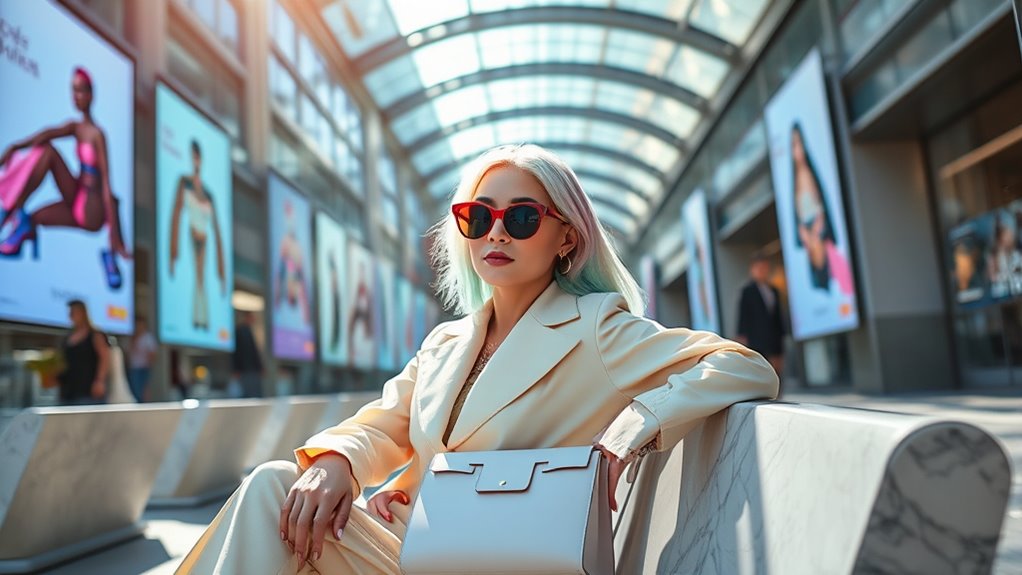

To rethink luxury marketing now, you need to focus on Gen Z’s values and digital habits. They seek authenticity, sustainability, and ethical brands, often buying via social media and digital wallets. Personalization, transparency, and social commerce are vital to engaging this generation. Offering secure, flexible online payment options and embracing resale markets are key strategies. By understanding their preferences, you can adapt your approach and open new opportunities for growth—there’s much more to explore on this evolving landscape.
Key Takeaways
- Prioritize sustainability, transparency, and ethical practices to align with Gen-Z’s values and expectations in luxury branding.
- Leverage social media and social commerce for authentic engagement and direct purchasing opportunities.
- Incorporate digital tools like blockchain and digital passports to enhance authenticity and build consumer trust.
- Offer secure, flexible online payment options such as digital wallets and buy-now-pay-later services.
- Emphasize exclusivity through resale, vintage markets, and personalized experiences to meet Gen-Z’s desire for uniqueness.

Rethink Luxury Marketing
As the luxury market evolves, traditional marketing approaches no longer suffice to engage the next generation of consumers. Today’s luxury buyers are younger, more digitally connected, and deeply influenced by social and ethical considerations. If you want to stay relevant, you need to rethink your strategies to meet their expectations. Gen Z and Millennials now make up 40% of luxury consumers, with many under 40. They begin purchasing luxury items as early as age 15, a trend that’s reshaping the industry’s demographic profile. These young consumers aren’t just interested in status; they prioritize brands that champion sustainability and ethical practices. They want transparency, eco-friendly materials, and circular economy initiatives, making sustainability a baseline rather than a bonus. Astrological charts can provide deeper insights into individual compatibility, aligning with their desire for brands that resonate with their values.
Next-gen luxury buyers prioritize sustainability, ethics, and transparency, reshaping industry standards and expectations.
This shift in values influences how they buy luxury. Demand for exclusivity and one-of-a-kind products fuels the growth of secondhand and vintage markets. They seek uniqueness and are willing to pay a premium for products that stand out, even if that means purchasing pre-owned. Social media plays a pivotal role in shaping their shopping behavior—over 45% of their luxury purchases originate from social platforms, and nearly 30% are completed entirely within social media apps like Instagram, TikTok, or WhatsApp. These platforms aren’t just channels for exposure; they’re integrated shopping environments where influencer campaigns, real-time customer service, and shoppable posts convert engagement into sales.
Pricing and payment options also matter. While Gen Z and Millennials buy an average of 16 and 14 luxury items annually, respectively, they face financial pressures like cost-of-living increases. They’re more focused on quality, sustainability, and value, even if it means spending less overall. *Curiously*, 34% of Gen Z consumers are willing to purchase on credit, showing a higher readiness to splurge and take on debt compared to older generations. But they also fear fraud and payment failure, making secure, flexible online payment options essential for building trust and boosting sales. Furthermore, their increasing use of digital wallets and buy-now-pay-later options reflects a desire for more flexible payment solutions tailored to their financial realities.
Despite promising growth, the luxury market experienced a notable slowdown in early 2025, with interest dropping nearly 25% compared to the previous year. Only about 16% of Americans plan to buy luxury in the coming year, signaling a market adjustment. To adapt, brands must embrace transparency across the supply chain, leverage digital passports and blockchain tracking, and promote resale programs. The brands that master social commerce, prioritize sustainability, and offer seamless, secure online experiences will thrive with the next generation of luxury consumers. If you want to stay ahead, you must rethink your marketing—because Gen Z holds the keys to the future of luxury.

Gucci Perfume for Women Variety Fragrance Travel Splash Gift Set
GUCCI SIGNATURE COLLECTION – Showcasing a range of luxurious, high-quality fragrances designed for women.
As an affiliate, we earn on qualifying purchases.
Frequently Asked Questions
How Can Luxury Brands Authentically Engage Gen-Z Consumers?
You can authentically engage Gen-Z consumers by prioritizing transparency, aligning with their values, and creating meaningful digital experiences. Use social media platforms like TikTok and Instagram to showcase your brand’s story, ethical practices, and sustainability efforts. Collaborate with relatable micro-influencers, involve them in interactive campaigns, and listen to their feedback. Be genuine, consistent, and transparent—Gen-Z values honesty and shared values above all in their luxury brand relationships.
What Digital Platforms Are Most Effective for Luxury Marketing to Gen-Z?
You should prioritize TikTok, Instagram, and YouTube for luxury marketing to Gen Z. TikTok’s short, impactful videos boost engagement, especially with brands like Versace and Jacob & Co. Instagram’s visual storytelling and community features build trust, while YouTube Shorts offers immersive, quick content. Focus on creating visually rich, authentic, and interactive content tailored for mobile-first platforms, ensuring your brand connects quickly and meaningfully with Gen Z’s limited attention span.
How Does Sustainability Influence Gen-Z’s Luxury Purchasing Decisions?
Sustainability is the compass guiding your Gen-Z customers’ luxury choices. Nearly 69% say environmental responsibility influences their decisions, and they’re willing to pay more for ethically made products. You need to be transparent about sourcing and manufacturing, proving your commitment with real progress. If your brand isn’t authentically sustainable, they’ll see through it faster than you can say “greenwashing.” Show genuine values, and you’ll build loyalty that lasts a lifetime.
What Role Does Influencer Marketing Play in Luxury Branding for Gen-Z?
Influencer marketing plays a crucial role in luxury branding for Gen-Z by building authenticity and trust. You see, this demographic relies heavily on influencers, especially micro-influencers, whose genuine content resonates more. They prefer short, engaging videos on platforms like TikTok and Instagram, making influencer collaborations essential. When influencers showcase your luxury brand authentically, it boosts credibility, drives engagement, and ultimately influences Gen-Z’s purchase decisions more effectively than traditional advertising.
How Can Luxury Brands Personalize Experiences for Gen-Z Audiences?
You know what they say, “The devil is in the details.” To personalize experiences for Gen-Z, you need to listen actively and leverage data insights to craft tailored recommendations, messages, and offers. Use mobile-friendly channels for seamless interactions, host live Q&As, and respond promptly to comments. Incorporate AI to enhance customization, and create exclusive digital events that make them feel seen and valued—building loyalty through genuine, personalized connections.

Charrier Parfums 10 Eaux de Parfum Luxurious Gift Box - 57.8 ml - Made in Provence, France
Iconic French Perfumery: This luxurious set from Charrier Parfums, a family-owned fragrance house since 1888, offers a collection...
As an affiliate, we earn on qualifying purchases.
Conclusion
Now’s the moment to embrace change, to see Gen Z not as a challenge but as your guiding star. Their values, their voices, their dreams—they hold the keys to luxury’s future. Shift your perspective, rethink your approach, and reveal new possibilities. Because in the dance of luxury marketing, those who adapt lead the way—while those who resist fade into the shadows. The future’s rhythm is calling—will you answer?

Versace Perfume Collection - Eros, Bright Crystal, Dylan Blue & More 5 Piece Set
When applying any fragrance please consider that there are several factors which can affect the natural smell of...
As an affiliate, we earn on qualifying purchases.

Yves Saint Laurent YSL Perfume for Women Variety 4-Piece Mini Travel Set
Black Opium Eau de Parfum: A bold, addictive blend of coffee, jasmine, and vanilla for a sensual, modern...
As an affiliate, we earn on qualifying purchases.