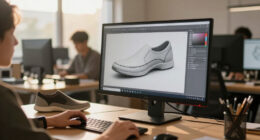
AI-generated digital twins are transforming luxury design and prototyping by allowing you to create detailed digital replicas of products. These tools enhance creativity and streamline the experimentation of sustainable materials, reducing waste and costs. You’ll also benefit from accelerated product development, with real-time adjustments and multiple visualization angles, ensuring high-quality results. As you explore these innovative techniques, you’ll discover how they can shape the future of luxury design and sustainability.

Get business pricing on tech for your team
- Business-only prices and quantity discounts
- Tax-exempt purchasing
- Multiple users, one account, clear invoices
Key Takeaways
- AI-generated digital twins enable immersive visualization, enhancing creativity and innovation in luxury design before physical production.
- They facilitate sustainable material experimentation, reducing waste by allowing designers to test textures and finishes digitally.
- Digital twins significantly cut down prototyping time and costs, allowing for rapid design adjustments and iterations.
- Detailed visualization of products supports better decision-making, ensuring aesthetics and functionality meet luxury standards.
- The integration of digital twins in luxury design reflects a commitment to sustainability and technological innovation, shaping the future of the industry.
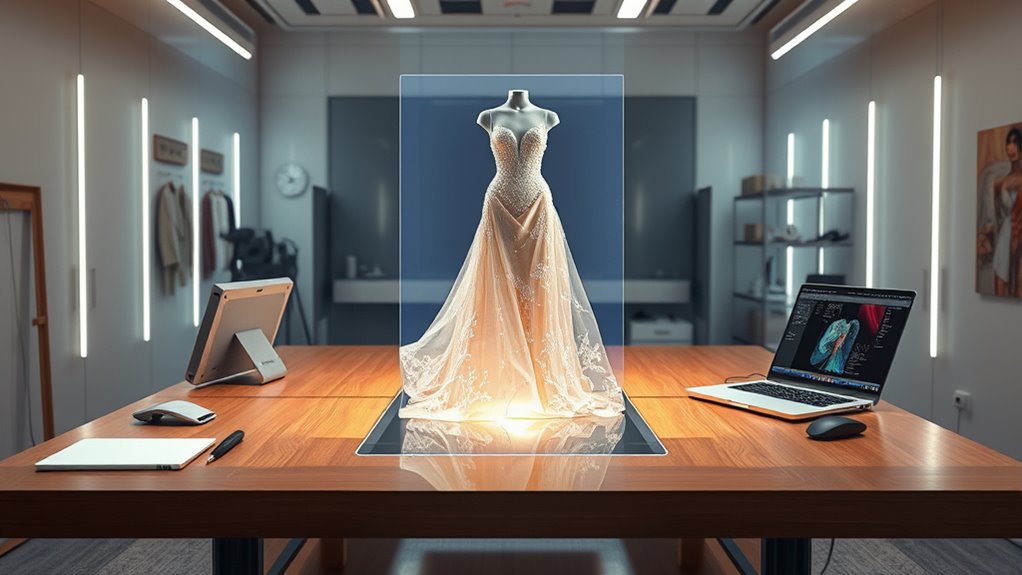
As luxury brands increasingly embrace technology, AI-generated digital twins are revolutionizing design and prototyping processes. These digital replicas allow you to visualize and manipulate products in a virtual environment before they even exist in the physical world. Imagine being able to see how a handbag made from sustainable materials would look, feel, and function—all without cutting a single piece of fabric. This immersive visualization not only enhances creativity but also streamlines the design process, making it more efficient and innovative.
AI-generated digital twins are transforming luxury design, enabling immersive visualization of products before they physically exist.
You’ll find that using AI-generated digital twins enables designers to experiment with various sustainable materials effortlessly. Instead of sourcing and handling physical samples, they can test out different textures, colors, and finishes in a digital space. This method reduces waste, as designers can pinpoint exactly what works best before committing to production. The ability to visualize sustainable materials in their intended context helps luxury brands align their values with consumer expectations, proving that luxury can be sustainable.
When you think about the prototyping phase, the advantages of AI-generated digital twins become even clearer. Traditionally, creating prototypes can be time-consuming and costly, often requiring multiple iterations. With digital twins, you can adjust designs in real-time, making it possible to explore a myriad of possibilities rapidly. This agility not only saves resources but also allows brands to respond quickly to market trends and consumer demands. You’re no longer stuck waiting for a physical prototype to arrive; you can iterate and refine designs instantaneously.
Furthermore, the immersive visualization aspect of digital twins offers an unparalleled level of detail. You can engage with the product from various angles and perspectives, almost as if you’re holding it in your hands. This detailed exploration aids in making informed decisions about aesthetics and functionality, contributing to a higher quality final product. The luxury of being able to scrutinize every aspect of a design helps ensure that the end result meets your standards of excellence.
In this fast-paced world, the integration of AI-generated digital twins into luxury design and prototyping not only enhances creativity and efficiency but also underscores a commitment to sustainability. By embracing these technological advancements, you’re not just creating products; you’re shaping a more thoughtful and innovative future for luxury fashion. The possibilities are endless, and the journey has only just begun. Additionally, the use of cozy textiles in product design can enhance user comfort and appeal.
AI digital twin software for luxury design
As an affiliate, we earn on qualifying purchases.
As an affiliate, we earn on qualifying purchases.
Frequently Asked Questions
How Do Ai-Generated Digital Twins Differ From Traditional Prototyping Methods?
AI-generated digital twins differ from traditional prototyping methods in several key ways. You benefit from virtual accuracy, which allows for precise simulations before physical creation. Unlike conventional prototypes that require time and resources, digital twins offer rapid iterations and adjustments, enhancing your customization capabilities. This means you can tailor designs to your specifications more efficiently, reducing costs and time while ensuring the final product meets your exact vision.
What Industries Can Benefit From Ai-Generated Digital Twins Besides Luxury Design?
You know how a compass guides you through uncharted territory? Similarly, industries like healthcare and manufacturing can navigate complexities with AI-generated digital twins. In healthcare innovation, they can simulate patient outcomes for better treatment plans. Meanwhile, manufacturers can streamline processes, boosting efficiency by 20%. By embracing these digital models, you’re not just improving current practices, but also paving the way for groundbreaking advancements across various sectors. It’s like having a map in a vast landscape.
Are There Any Ethical Concerns Regarding Ai-Generated Digital Twins?
Yes, there are ethical concerns regarding AI-generated digital twins. You’ll want to take into account privacy concerns, as these technologies can inadvertently expose sensitive personal data. Additionally, intellectual property issues arise when digital replicas are created without consent, potentially infringing on creators’ rights. It’s essential to navigate these challenges carefully, ensuring that the use of digital twins respects individual privacy and protects original ideas, fostering a responsible approach to innovation in technology.
How Much Does It Cost to Implement Ai-Generated Digital Twins?
Implementing AI-generated digital twins can feel like trying to buy a spaceship! The cost estimation varies widely, often ranging from thousands to millions, depending on your project’s complexity and scale. You’ll face implementation challenges like integrating with existing systems and training staff. It’s essential to budget for software, hardware, and ongoing maintenance. By planning carefully, you can navigate these costs and set your project up for success.
What Software Tools Are Best for Creating Ai-Generated Digital Twins?
For creating AI-generated digital twins, you’ll want to explore software tools like Autodesk Revit for virtual modeling and Ansys for simulation software. Both offer robust features that streamline the design process and enhance accuracy. Blender is also a great choice for 3D modeling, while Unity can help you create immersive simulations. These tools not only save time but also improve your overall workflow, helping you visualize and optimize your designs effectively.
Conclusion
In embracing AI-generated digital twins, you’re not just enhancing your design and prototyping processes; you’re redefining creativity and elevating luxury. You’re tapping into precision and opening new frontiers of innovation, allowing your visions to come to life with stunning realism. You’re streamlining workflows and maximizing efficiency, ensuring every detail shines. So, as you venture into this exciting domain, remember: the future of luxury design is not just digital—it’s a spectacular fusion of technology and artistry waiting for you to explore.
Fall Picks
fall essentials
As an affiliate, we earn on qualifying purchases.