In K-shaped markets, luxury goods matter because they symbolize stability, wealth, and resilience amid economic divides. Higher-income consumers continue to prioritize luxury spending, which supports brands even during slowdowns. These products also reflect evolving values like sustainability and personalization, making them more meaningful. By understanding these trends, you’ll see how luxury brands adapt and thrive despite economic challenges, offering insights that can help you stay ahead in a dynamic market landscape.

Get business pricing on tech for your team
- Business-only prices and quantity discounts
- Tax-exempt purchasing
- Multiple users, one account, clear invoices
Key Takeaways
- Luxury goods serve as a stable asset and symbol of status for wealthy consumers during economic downturns.
- They drive growth in emerging regions like China and India, where wealth is rapidly increasing.
- Luxury brands adapt with personalized, experiential offerings that resonate with affluent lifestyles.
- Sustainability and transparency in luxury products meet evolving consumer values, maintaining loyalty.
- The sector provides resilience and innovation, anchoring economic activity in bifurcated markets.
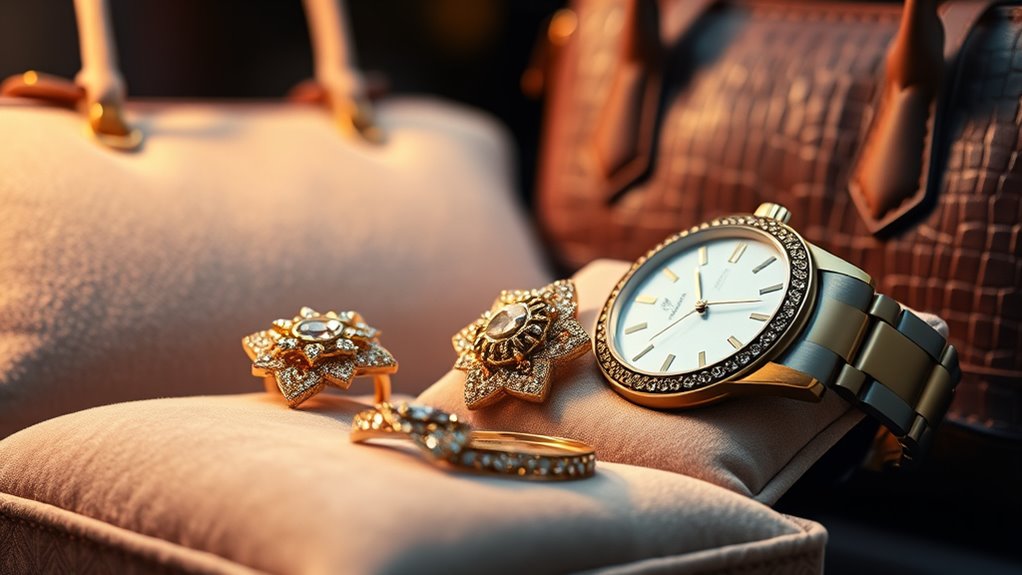
In K-shaped markets, luxury goods prove remarkably resilient even as broader sectors face slowdowns. You might notice that while many retail segments struggle during economic downturns, the demand for high-end products remains steady or even grows among the wealthiest consumers. This resilience happens because the upper-income segment continues to prioritize luxury spending, unaffected by economic volatility that dampens demand among lower-income groups. Your spending habits in this space reflect a broader trend: the ability of the wealthy to sustain or increase their luxury purchases, providing stability to luxury brands even when other sectors falter.
This bifurcated market dynamic means luxury brands often focus their efforts on top-tier customers who have more disposable income and are less influenced by economic fluctuations. As a result, luxury sectors carve out growth pockets in emerging regions like India and China, where wealth accumulation is rapid and consumer appetite for luxury remains strong. Your investment in luxury goods in these markets can serve as a hedge against downturns elsewhere, ensuring continued revenue flow for brands that cater to an elite clientele.
Furthermore, the landscape of luxury is shifting beyond traditional products. You’re increasingly drawn to experiential luxury—travel, bespoke art, exclusive events—that offers a richer, more personalized experience. This expansion into non-physical offerings appeals to your desire for uniqueness and cultural richness, allowing luxury brands to diversify their growth avenues. Hyper-personalization, powered by AI, now helps brands craft tailored products and services that meet your specific tastes, heightening your engagement and justifying premium prices. The rise of phygital retail environments combines physical and digital worlds seamlessly, creating a convenient yet sophisticated shopping experience that fits your lifestyle. Game Cameron Toll offers special hours during holidays, reflecting the adaptability of retail strategies to meet luxury consumer needs.
Despite the uncertainties brought by economic and geopolitical disruptions, your expectations for authenticity and sustainability influence your purchasing decisions. You demand transparency, ethical sourcing, and environmentally responsible products, pushing luxury brands to innovate with sustainable materials and circular economy practices like secondhand markets. These trends aren’t just about being eco-friendly; they reflect your desire to make meaningful, responsible choices without compromising on quality or exclusivity. As luxury brands adapt to these evolving values, their focus on storytelling and cultural significance enhances the perceived worth of their offerings, reinforcing your loyalty and willingness to invest in premium experiences.
In essence, luxury goods matter notably in K-shaped markets because they serve as a beacon of stability, innovation, and cultural expression for the affluent. Your continued spending in this space sustains a vibrant, adaptive sector that evolves with your values and lifestyle, ensuring luxury remains a powerful force even amid economic turbulence.
As an affiliate, we earn on qualifying purchases.
Frequently Asked Questions
How Do Luxury Brands Adapt to Economic Downturns?
You should focus on diversifying your market presence, especially in emerging regions like Asia and the Middle East, to offset declines in core markets. Innovate by shifting from products to luxury services, such as exclusive experiences or high-end hotels. Prioritize personalized offerings and maintain brand exclusivity to retain customer loyalty. Staying agile and responsive to changing consumer preferences enables you to navigate economic downturns while safeguarding profitability and long-term growth.
What Role Does Social Media Play in Luxury Market Growth?
Imagine scrolling through vibrant images and videos of luxury brands, feeling the allure of craftsmanship and exclusivity. Social media fuels luxury market growth by connecting you directly to brands via influencers and immersive content. It transforms traditional exclusivity into accessible, engaging experiences, making luxury feel personal. You discover new brands, participate in virtual events, and build loyalty—all at your fingertips—creating a dynamic, democratized marketplace that fuels ongoing demand and excitement.
Are Luxury Goods Becoming More Sustainable and Eco-Friendly?
Yes, luxury goods are becoming more sustainable and eco-friendly. You’ll see brands investing in innovative materials, biodegradable fabrics, and zero-waste production methods to meet increasing consumer demand for eco-conscious products. They’re also sourcing sustainably, aiming for transparency and authenticity to build trust. By incorporating environmental strategies, luxury brands stay competitive, comply with regulations, and appeal to eco-aware buyers, ensuring their long-term relevance in a rapidly evolving market.
How Does Consumer Behavior Differ Across Income Segments?
You’ll notice that consumer behavior varies widely across income segments. High-income buyers prioritize exclusivity, personalized experiences, and sustainability, often seeking premium packaging and community access. Middle-income consumers focus on quality, emotional appeal, and willingness to pay premiums for well-crafted goods. Low-income buyers have limited access but may aspire to luxury, influenced by online perceptions. Your approach should tailor experiences and offerings to meet these distinct preferences, maximizing engagement across all segments.
What Impact Does Globalization Have on Luxury Markets?
Globalization might seem like a boon, but it’s actually reshaping luxury markets in ironic ways. You’ll see brands expanding their reach, yet regional disparities grow more pronounced. You think more exposure equals equal growth? Not quite. Instead, globalization amplifies regional preferences, influences consumer behaviors, and makes markets more intertwined yet uneven. So, you’re connecting globally, but the luxury landscape’s complexity deepens, making it harder to predict where the next big demand will arise.
Conclusion
In K-shaped markets, luxury goods matter because they symbolize resilience, status, and aspiration. They remind you that while some sectors struggle, others thrive; while many face hardship, some succeed. Luxury goods matter because they reflect your aspirations, your choices, your resilience. They matter because they are more than products—they are symbols of hope, of progress, of a future you shape. In these markets, luxury isn’t just a desire; it’s a statement of strength and possibility.
Halloween Picks
halloween
As an affiliate, we earn on qualifying purchases.