As someone interested in ethical sourcing, you’re likely aware of the challenges in verifying a gemstone’s origin and ensuring fair practices. Blockchain technology offers a promising solution by creating transparent, unchangeable records of each stone’s journey. But how exactly does this system promote responsible industry practices and influence your choices? Exploring the role of blockchain in sustainable gemstones reveals a complex connection between technology, ethics, and consumer trust that’s worth understanding.
Key Takeaways
- Blockchain provides transparent, tamper-proof records of a gemstone’s journey from mine to consumer, ensuring ethical sourcing.
- It enables verification of certifications and sustainability claims, building trust among buyers and stakeholders.
- Blockchain facilitates real-time tracking of supply chain data, preventing fraud and illegal mining practices.
- It promotes accountability by recording every transaction, supporting fair labor practices and conflict-free guarantees.
- Widespread adoption of blockchain enhances industry standards for responsible and sustainable gemstone sourcing.

Are you looking for gemstones that shine without harming the planet? In today’s market, sustainable gemstones have become a popular choice for environmentally conscious consumers. These gems are created with minimal environmental impact, often through lab-grown methods that replicate natural formation processes. They share identical chemical and physical properties with their natural counterparts but do so with a considerably lower carbon footprint. This approach reduces land excavation and resource use, making them an eco-friendly alternative that aligns with responsible industry standards. Furthermore, sustainable gemstones include both lab-created stones and ethically sourced natural stones obtained through fair mining practices. This dual approach ensures you get beautiful gems that support environmental health and social responsibility.
Understanding the distinctions between ethical, sustainable, and conflict-free gemstones helps you make informed choices. Ethical gemstones involve fair labor practices and environmentally responsible extraction processes, ensuring miners are paid fairly and work in safe conditions. Sustainable gemstones focus on minimizing environmental degradation and even restoring mined land, despite the non-renewable nature of mineral resources. Conflict-free gemstones guarantee that your purchase doesn’t fund wars or human rights abuses, though they may not always adhere to broader ethical standards. While these categories often overlap, certification and transparency are essential in verifying their claims. When you buy certified sustainable gemstones, you’re supporting a transparent supply chain that values both people and the planet.
Choosing certified sustainable gemstones supports ethical labor, environmental health, and transparent supply chains for a responsible jewelry purchase.
Several types of sustainable gemstones are available to meet different preferences. Lab-grown diamonds and colored stones are produced with low environmental impact, offering a cruelty-free option that’s visually indistinguishable from natural stones. Recycled diamonds and gemstones repurposed from existing jewelry contribute to reducing waste. Fair trade colored stones ensure miners work under humane conditions, and ethically sourced precious metals like gold, silver, and platinum accompany sustainable gemstones to complete your eco-friendly jewelry piece. Additionally, responsibly sourced natural stones come from mines with sustainable practices verified by third-party organizations, guaranteeing that their extraction minimizes ecological damage. Incorporating blockchain verification further enhances transparency and trust in the supply chain.
The environmental impact of traditional gemstone mining is considerable, often causing deforestation, soil erosion, and water pollution. Unsustainable practices threaten ecosystems and local communities. In contrast, sustainable mining incorporates land restoration, reduces chemical use, and prioritizes biodiversity protection. By adopting responsible mining techniques and ongoing monitoring, the industry aims to preserve resources for future generations while supporting local communities with fair wages and safe working conditions. Transparency and third-party certification play essential roles in ensuring these standards are upheld. [This effort helps maintain biodiversity and prevents habitat destruction, which are crucial for ecological balance.

IGI Certified Lab Grown Loose Diamond, Round Cut, 2 Ct TW (D-E Color, VVS-VS Clarity) for Making Precious Fine Jewelry
Item Details:- IGI Certified Precision cut loose Lab Grown Diamond of VVS-VS Clarity, Lab grown diamonds typically falls…
As an affiliate, we earn on qualifying purchases.
As an affiliate, we earn on qualifying purchases.
Conclusion
Just as Pandora’s box once unleashed unforeseen consequences, embracing blockchain guarantees your gemstones’ true story remains transparent and trustworthy. By choosing ethically sourced stones backed by this technology, you’re helping build a future where responsible practices shine as brightly as the gems themselves. Remember, with blockchain, you hold the key to opening integrity in every purchase—ensuring your choices echo the wisdom of the ages and pave the way for a more sustainable, ethical world.
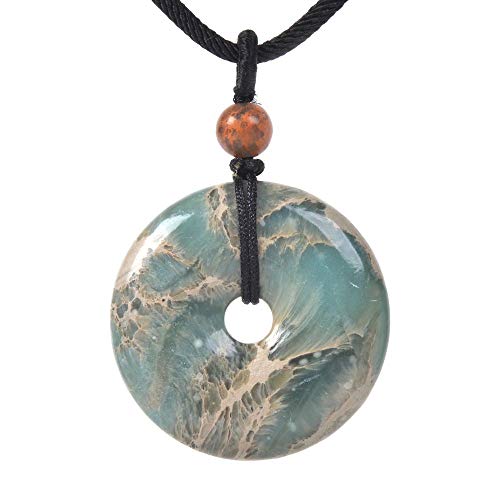
JUST IN STONES Natural Serpentine Gemstone 30mm Donut Beads Reiki Chakra Pendant Necklace Handmade Jewelry 22 Inch
Pi Stone material: Natural gemstone; Diameter of Donut:30mm(1.2 inches) ;Thickness of Donut:5mm; Top Bead:6mm. Total Length of fabric…
As an affiliate, we earn on qualifying purchases.
As an affiliate, we earn on qualifying purchases.

Mnyixsi Vintage Silver Blue Moonstone Ring 925 Sterling Silver Retro Princess Waterdrop Cut Sapphire Band Diamond Gemstone Wedding Engagement Ring Gemstone Boho Ring Size 7
✦925 sterling silver,high quality material,hypoallergenic,lead and nickle free.
As an affiliate, we earn on qualifying purchases.
As an affiliate, we earn on qualifying purchases.

Gems For Jewels Black Rough Diamond, 5-6mm, 2 PCS, Conflict Free, Loose Gemstone
Gemstone : Rough African Diamond; Color : Black (Treated); Size (mm) : 5-6 mm
As an affiliate, we earn on qualifying purchases.
As an affiliate, we earn on qualifying purchases.