Imagine holding a vintage handbag, its history secured by a tiny NFC chip silently embedded inside. This small device, paired with blockchain’s transparent ledger, could change how you verify authenticity and ownership. As counterfeits flood the market, these technologies offer a new layer of security that’s hard to duplicate. Curious how this fusion might reshape the way we protect and trust luxury accessories?
Key Takeaways
- NFC chips embedded in handbags store encrypted, tamper-proof data linking to verified production and authenticity details.
- Blockchain records create a transparent, immutable history of the handbag’s provenance and ownership.
- Combining NFC and blockchain enhances security, making counterfeiting and data manipulation nearly impossible.
- Digital verification increases buyer confidence, resale value, and reduces disputes over authenticity.
- The integrated system offers a future-proof, secure solution for anti-fraud measures in vintage handbag authentication.

Are you confident that your vintage handbag is authentic? If you’re investing in a classic piece, it’s essential to verify its legitimacy to avoid falling prey to counterfeiters. Modern authentication combines traditional methods with innovative technology, offering a more secure way to confirm authenticity. One emerging solution is the integration of NFC chips and distributed ledger technology, which together create a robust system against fraud.
NFC (Near Field Communication) chips are tiny, embedded microchips within the handbag that store unique identification data. When scanned with a smartphone or specialized device, these chips reveal detailed information about the bag’s origin, manufacture, and authenticity. Unlike serial numbers or authenticity cards, which can be forged or tampered with, NFC chips offer a dynamic, tamper-proof record stored securely within the bag itself. They can be programmed to link to a digital profile that contains verified data, such as production details, previous ownership, and authentication history, making it nearly impossible for counterfeiters to replicate. The security of digital records is enhanced by encryption, ensuring data remains protected from unauthorized access. Additionally, the use of distributed ledger technology ensures that the information remains transparent and tamper-proof, further increasing trust in the system.
However, simply embedding an NFC chip isn’t enough. That’s where distributed ledger technology, or blockchain, comes into play. This system records every transaction or update related to the handbag’s authenticity on a decentralized, tamper-resistant ledger. When the NFC chip is scanned, it can be cross-checked against the blockchain record, confirming that the bag’s provenance and authenticity are legitimate. This creates a transparent, unalterable history of the item, giving you confidence that the handbag is genuine and not a counterfeit. Because the blockchain is maintained by multiple parties, it reduces the risk of fraud, forgery, or unauthorized alterations.
This combination of NFC chips and distributed ledgers provides a new level of security for vintage handbags. It moves beyond traditional methods like serial numbers, authenticity cards, and visual inspection, which can be manipulated. Instead, it offers an integrated system that verifies the entire lifecycle of the item—from production to resale—using secure digital records. For collectors and buyers, this technology offers peace of mind and enhances resale value, knowing the handbag’s history is reliably documented and accessible. For sellers, it helps establish trust and reduces disputes over authenticity.
While these advanced solutions are still gaining traction, they represent a significant leap forward in anti-fraud measures for vintage handbags. The combination of embedded NFC microchips and blockchain records creates an innovative, secure ecosystem that benefits everyone involved. As technology continues to evolve, expect these methods to become standard practice, making vintage handbag collecting more secure and transparent than ever before.
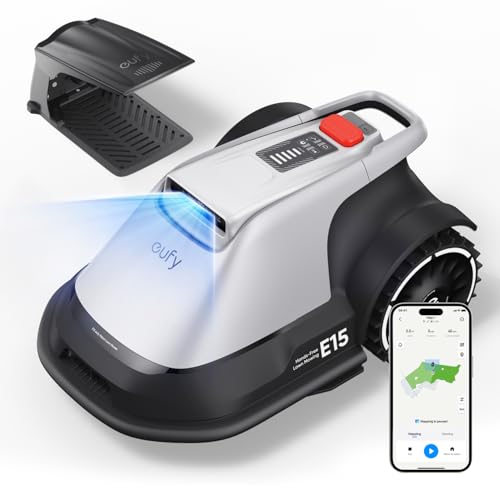
eufy Robot Lawn Mower E15, Auto Mapping,Pure Vision Navigation, Wire Free RTK Free, Multi-Zone Management, AI 3D Obstacle Avoidance, GPS Anti-Theft, 0.2 Acres, 18° Slope, App Control
【Pure Vision Navigation — Hands-Free Mowing, No Wire to Bury】 eufy V-FSD 1.0 uses high-precision stereo cameras and...
As an affiliate, we earn on qualifying purchases.
Conclusion
By embracing NFC chips and blockchain, you can confidently verify your vintage handbag’s authenticity and ownership history. Imagine buying a rare Chanel flap bag where a quick scan confirms its genuine provenance, preventing counterfeit risks. This tech duo not only safeguards your investment but also gives you peace of mind. As these innovations become standard, you’ll enjoy a more secure, transparent luxury market—making vintage shopping smarter and more trustworthy than ever.

YARDCARE 2026 M800Plus GPS+3D Vision Cordless Robot Lawn Mower with Bow-Shaped Path Mowing, APP Control, Robotic Lawnmower with Obstacle Avoidance, Auto-Charging for Lawns up to 8611 sq.ft
Cordlss & Vision Navigation: YARDCARE M800Plus is equipped with a high-definition camera, which automatically distinguish grass from non-grass...
As an affiliate, we earn on qualifying purchases.

Mammotion LUBA mini AWD 1500H Robot Lawn Mower with Blades, Mowing 0.37 Acre, All-Wheel-Drive for 80% Slope, UltraSense AI Vision+RTK Auto-Mapping, Cutting Height 2.2"-4.0"
Unparalleled off-road capability: The powerful obstacle-crossing capability and adaptive suspension system allow LUBA mini to smoothly traverse steep...
As an affiliate, we earn on qualifying purchases.

Robotic Lawn Mower with App Control, Auto-Charging & Obstacle Avoidance, Adjustable Cutting Height, Weather Sensor Smart Automatic Lawn Mower for Lawns up to 4300 sq.ft
Auto-Charging & Weather Sensor for Reliable Performance - The robotic mower automatically returns to the charging station when...
As an affiliate, we earn on qualifying purchases.