El Salvador's latest Bitcoin regulations are a direct response to pressures from the International Monetary Fund. By making Bitcoin's use optional for merchants, the government aims to ease concerns over its volatility. This shift is part of a broader strategy linked to a $1.4 billion loan deal with the IMF. What does this mean for the future of cryptocurrency in the country, and how will it impact its economy?
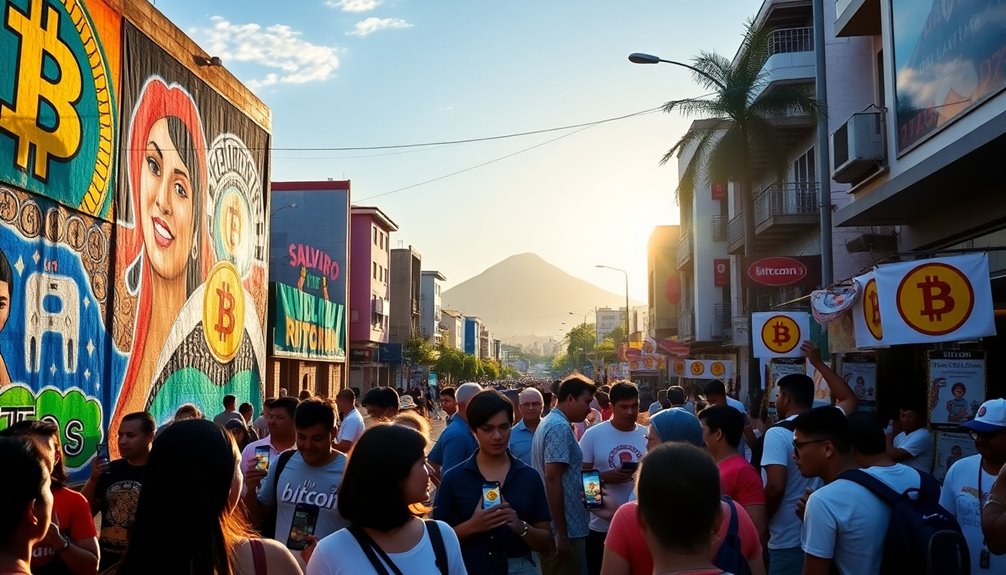
As El Salvador made headlines by recognizing Bitcoin as legal tender, it aimed to boost financial inclusion and lower remittance costs for its citizens. The Bitcoin Law, passed on June 8, 2021, took effect on September 7, 2021, making Bitcoin the second official currency alongside the US dollar. With around 70% of Salvadorans lacking bank accounts, the law sought to provide a pathway for the unbanked to access financial services.
To facilitate this initiative, the government launched the Chivo wallet, which became a hit, downloaded by 46% of the population within just a month. This digital wallet allowed users to send and receive Bitcoin easily, offering a more affordable alternative to traditional remittance services. Given that remittances play a crucial role in the economy, reducing transaction costs through Bitcoin could lead to significant savings for many families.
However, the path hasn't been smooth. Bitcoin's notorious price volatility raised concerns among both businesses and citizens. Many feared that fluctuations could jeopardize their finances, leading to protests from over 1,000 people who voiced their discontent with the law. The government faced a balancing act, trying to harness the potential benefits of Bitcoin while addressing these volatility concerns.
In response to international pressure, particularly from the International Monetary Fund (IMF), El Salvador agreed to scale back its Bitcoin initiatives as part of a $1.4 billion loan deal. This led to legislative amendments making Bitcoin optional for private sector merchants, ensuring compliance with an IMF deal.
As the country continues to hold 6,049 BTC valued at around $633 million, it plans to ramp up its Bitcoin purchases in 2025, signaling a commitment to the cryptocurrency despite the challenges.
Regulatory measures are also evolving. The Digital Assets Issuance Law (LEAD) has been introduced to regulate other digital assets while excluding Bitcoin from its scope.
The National Commission of Digital Assets (CNAD) oversees these regulations, which include anti-money laundering and counter-terrorism financing measures. In a bid for international cooperation, CNAD has signed agreements with global regulatory entities to ensure compliance.
Top picks for "salvador implement bitcoin"
Open Amazon search results for this keyword.
As an affiliate, we earn on qualifying purchases.