Imagine a virtual world where players don’t just participate but truly own their in-game assets, from rare skins to land parcels. This is made possible by gaming tokens, which harness blockchain technology to create transparent, secure economies within gaming environments. As these digital assets evolve, they’re reshaping how we think about ownership, value, and participation in online worlds — and the true potential of play‑to‑earn models remains largely untapped.
Key Takeaways
- Gaming tokens are blockchain-based digital assets used as in-game currency, items, or assets with real-world value.
- They enable players to buy, sell, and trade assets across platforms, fostering play-to-earn economies.
- Blockchain technology ensures transparent, secure transactions and provable ownership through NFTs and smart contracts.
- Different token types include utility tokens for access, governance tokens for decision-making, and NFTs for rare assets.
- The adoption of gaming tokens drives more engaging, decentralized, and player-driven gaming ecosystems worldwide.

Have you ever wondered how gaming is transforming with digital assets? The answer lies in gaming tokens—digital assets that are revolutionizing the way players interact with virtual worlds. These tokens are built on blockchain technology, serving as in-game currency, items, or assets that hold real-world value. Because they’re recorded on transparent, secure ledgers like Ethereum or Binance Smart Chain, you can buy, sell, or trade them freely on external marketplaces. This tradeability gives your in-game assets tangible worth outside the game environment, blurring the line between virtual and real economies.
Gaming tokens can take different forms. Some are utility tokens, used within the game for *accessing*, purchasing items, or *gaining* exclusive content. Others are governance tokens, which let you vote on development decisions or policy changes, giving you a say in the game’s future. Many gaming tokens are also NFTs—unique, non-fungible tokens representing rare or custom assets like weapons, skins, or virtual land. These NFTs prove your ownership with provable authenticity, making your assets truly yours and tradable across different platforms or games. Blockchain technology provides the foundation for this innovation, ensuring transparency and security in all transactions.
Gaming tokens include utility, governance, and NFTs, offering in-game benefits, voting rights, and proof of ownership for unique assets.
Blockchain’s core strength is providing a transparent, decentralized environment where all transactions are recorded immutably. Smart contracts automate transactions, ensuring that exchanges of tokens or assets are tamper-proof and fair. When you store your gaming tokens in a crypto wallet, you gain seamless control over your assets, enabling quick transfers and trades. This ownership is clear and secure, allowing you to move assets across multiple games or marketplaces without restrictions imposed by centralized systems. The technology fosters greater engagement and retention because it grants players a genuine stake in the game’s economy, motivating longer-term participation. Blockchain adoption is rapidly increasing across gaming industries, highlighting its significance.

REOLINK Smart 5MP 8CH Home Security Camera System, 4pcs Wired PoE IP Cameras Outdoor with Person/Pet/Vehicle Detection, 4K 8CH NVR with 2TB HDD for 24-7 Recording, RLK8-520D4-5MP
CAPTURE CRIME FROM DETAILS: Discover potential crime has never been so easier with superior 5MP HD. With advanced...
As an affiliate, we earn on qualifying purchases.
Conclusion
Imagine you’re at a bustling marketplace where every trade is secure and transparent—that’s what gaming tokens bring to your gaming world. Just like how a single coin can unlock treasures or unlock new adventures, these tokens empower you to own, trade, and earn in ways you never could before. As more players embrace this digital economy, you’re part of a revolution turning gaming into a vibrant, real-world marketplace—where your skills and assets truly matter.

REOLINK 8CH 5MP Home Security Camera System, 6pcs Wired Outdoor PoE IP Cameras with Person/Vehicle/Pet Detection, 4K/8MP 8CH NVR with 2TB HDD for 24-7 Recording, RLK8-410B6-5MP
5MP SUPER HD & STUNNING NIGHT VISION: Capture crystal clear videos day & night with 5MP super HD...
As an affiliate, we earn on qualifying purchases.
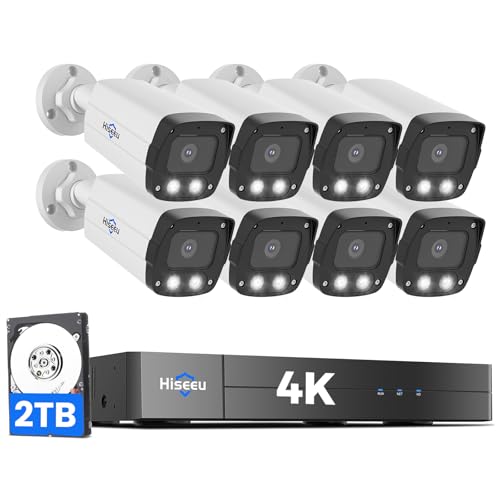
【4K HD +0 Monthly Fee】 Hiseeu 8MP PoE Security Camera System, 8 Pcs 4K Security Camera Outdoor&Indoor, 121° Wide View, Color Night Vision, Smart Playback,7/24 Record,Home Surveillance NVR Kit 2TB HDD
【2.8mm len & 121° Wider View Angle】121° Viewing Angle is the 1.5 times of other normal 78° Viewing...
As an affiliate, we earn on qualifying purchases.
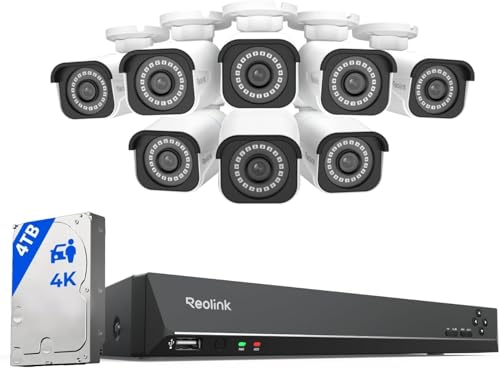
REOLINK 4K Security Camera System, RLK16-800B8 8pcs H.265 PoE Wired with Person Vehicle Detection, 8MP/4K 16CH NVR with 4TB HDD for 24-7 Recording
4K Ultra HD – Reolink 4K Ultra HD (8MP) PoE camera delivers almost 4 times the clarity of...
As an affiliate, we earn on qualifying purchases.