Did you know that gamified shopping experiences can boost conversion rates by up to 30%? Implementing tokens, points, and rewards creates a more engaging environment, encouraging customers to spend more time and money. This approach can transform ordinary browsing into an immersive journey, but how exactly do these incentives influence customer behavior and loyalty in the luxury market? Exploring these strategies reveals how brands are turning shopping into a rewarding adventure.
Key Takeaways
- Tokens serve as digital currency rewards, incentivizing customers to add luxury items to their carts.
- Gamified challenges and quizzes earn tokens, motivating shoppers to explore and purchase high-end products.
- Accumulated tokens can unlock exclusive discounts or access to luxury collections, enhancing cart value.
- Personalized token rewards encourage repeat engagement and higher spending on premium items.
- Incorporating tokens into gamification boosts the excitement, driving luxury cart conversions and customer loyalty.

Have you noticed how shopping apps and websites are becoming more engaging and interactive? That’s no coincidence. Retailers are increasingly turning to gamification to boost customer engagement, and it’s working. By adding fun elements like points, levels, challenges, and leaderboards, they make shopping more enjoyable and interactive. This approach taps into your natural competitive instincts, encouraging you to stay longer, explore more, and return frequently. With advancements in mobile technology, like 5G, these experiences are becoming even richer and more immersive, transforming how you shop online.
Gamification isn’t just about making shopping fun; it also profoundly boosts conversion rates and spending. Retailers often incorporate mini-games such as spin-to-win or scratch cards, which create a sense of excitement and immediacy. When you play these games, you’re more likely to make a purchase right then, motivated by the thrill of winning discounts or prizes. Personalized quizzes are another tool retailers use to help you discover products that truly fit your needs, increasing your satisfaction and the chances you’ll buy. Incorporating behavioral data allows these experiences to become even more tailored and effective. Loyalty programs, like Starbucks Rewards, reward you with points or stars for each purchase, which you can redeem for free items or exclusive perks. These rewards motivate you to spend more to reach higher tiers, where the benefits are even better. The global gamification market is projected to reach over $30 billion by 2025, reflecting its expanding influence across industries.
The retail sector is experiencing remarkable growth through gamification. Currently, retail holds nearly 29% of the gamification market, leading other industries. Experts predict this market will soar from $9.1 billion in 2020 to over $30 billion by 2025, with a compound annual growth rate of 27.4%. Retailers that incorporate game-like elements see up to 700% increases in customer acquisition and around 30% boosts in engagement and loyalty. This gives them a competitive edge, helping them stand out in a crowded marketplace and deepen customer relationships.
Gamification also fuels competitive shopping behaviors. eBay’s auction system, for example, adds a game-like element to bidding, encouraging you to keep bidding to win rare items at the best prices. This competitive environment keeps you returning, spending more time on the site, and collecting valuable data through account signups. Such dynamic experiences make shopping more exciting and foster a sense of community and achievement.
All these factors contribute to a more personalized, engaging shopping journey. Challenges, quizzes, and interactive features guide you toward products aligned with your preferences, making your experience feel tailored and relevant. As gamification continues to evolve, expect even more innovative ways to use tokens, points, and rewards to drive luxury cart conversions. This strategy not only makes shopping more fun but also builds loyalty, encouraging you to return and spend more repeatedly.
luxury shopping rewards app
As an affiliate, we earn on qualifying purchases.
As an affiliate, we earn on qualifying purchases.
Conclusion
By incorporating tokens and gamified elements into your shopping experience, you create a more engaging and rewarding journey for your customers. This not only boosts loyalty and encourages higher spending but also makes shopping feel fun and personalized. Imagine turning casual browsers into loyal shoppers just by adding a touch of playfulness—are you ready to transform your retail approach and see those luxury cart conversions soar? The future of shopping is playful—are you in?
gamified shopping tokens
As an affiliate, we earn on qualifying purchases.
As an affiliate, we earn on qualifying purchases.
luxury cart incentive tools
As an affiliate, we earn on qualifying purchases.
As an affiliate, we earn on qualifying purchases.
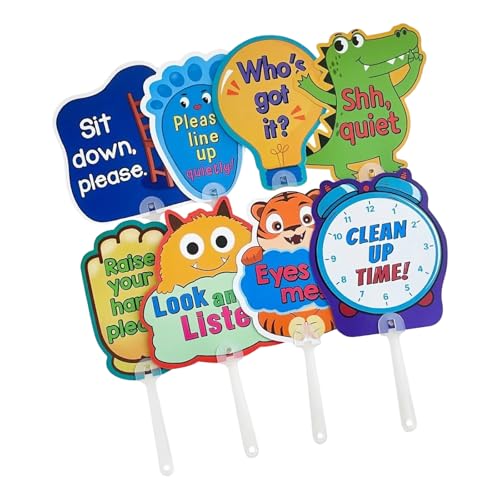
Classroom Teaching Aid Interactive Instruction Signs Group Challenges and Scenario Based Vocabulary Development Tools Immersive English Teaching Resources
Perfect for immersive classroom role play, after school English clubs, and collaborative language game that simulate real world…
As an affiliate, we earn on qualifying purchases.
As an affiliate, we earn on qualifying purchases.