

While luxury marketplaces often promise seamless transactions, failed payments can quickly undermine customer trust. You might think technical issues are rare, but they happen more often than you’d expect—especially during high-value purchases. Addressing these failures requires more than just fixing bugs; it calls for understanding the root causes and implementing proactive solutions. Discover how to identify, troubleshoot, and prevent these issues before they impact your reputation or sales.
Key Takeaways
- Verify customer payment details and ensure sufficient funds to prevent rejection due to errors or insufficient balance.
- Check for network connectivity issues between the checkout system and payment gateway to identify potential disruptions.
- Review fraud detection settings to avoid false positives that may inadvertently block legitimate transactions.
- Ensure all integrated payment gateways are updated and functioning correctly to prevent technical errors during processing.
- Provide clear guidance and alternative payment options to assist customers encountering issues and reduce abandonment.

Failed transactions can be a significant hurdle on luxury marketplaces, disrupting the seamless experience high-end customers expect. When a payment doesn’t go through, it can cause frustration, erode trust, and even lead to lost sales. To keep your clients satisfied, it’s essential to understand common causes of these failures and how to troubleshoot them effectively. One frequent reason is payment method incompatibility or insufficient funds. Customers might try to use cards that aren’t accepted by your platform or have reached their credit limit. Guaranteeing your payment options support various high-end cards and offering alternatives can help reduce such issues.
Another cause is overly cautious fraud detection systems. While these tools protect against scams, they can sometimes flag legitimate transactions as suspicious, blocking the purchase. Fine-tuning these systems to balance security and customer convenience minimizes false positives. Network connectivity issues during checkout are also a culprit; if the payment gateway cannot communicate with your server or the customer’s bank, the transaction halts. Investing in reliable, redundant backend infrastructure and real-time monitoring can spot and resolve these problems swiftly.
Customers may also input incorrect or expired payment details. Clear guidance during checkout about entering accurate information and real-time validation checks can prevent errors before submission. Additionally, technical glitches or server outages on your platform can abruptly stop transaction processing. Regular maintenance, updates, and a robust backup system are crucial to ensure smooth operations even during high traffic periods.
Customer behavior and expectations play a significant role in transaction success. Today’s luxury consumers demand fast, secure, and transparent experiences. Younger shoppers especially prefer mobile-friendly, social-commerce payment options that are intuitive and easy to use. If your platform lacks transparency about transaction issues, customers may lose confidence and abandon their purchases. High-value transactions are particularly sensitive to delays or failures, and customers weigh the transaction’s ease and reliability against the purchase’s value.
Technological and security challenges, such as integrating multiple payment gateways, can cause inconsistencies and errors. Advanced fraud prevention tools, while necessary, sometimes produce false positives, blocking legitimate transactions. Lack of real-time status updates adds to frustration, making customers unsure whether their payment is processing or failed. Ensuring compliance with security standards like PCI DSS and upgrading legacy infrastructure to support new payment innovations helps mitigate these risks.
Addressing failed transactions proactively is key. Providing dedicated customer support channels, communicating clearly about issues, and offering alternative payment options can turn a negative experience into a positive one. Using emerging solutions like biometric authentication, blockchain, and data analytics can further reduce failures and enhance transaction security. According to recent data, the global market worth €1.5 trillion in 2024 reflects the sector’s resilience, despite a 3% shrinkage in Q1 2025. By understanding causes, optimizing systems, and maintaining transparency, you can minimize failed transactions and uphold the exclusivity and trust your luxury brand relies on.

4K Dash Cam Front and Rear, 3 Channel Dash Camera with IMX335 Night Vision, WiFi GPS, Voice Control, 2K+1080P+1080P Dash Camera for Cars (64GB Card Included) Black
3 Channel 4K Dash Camera:This three-channel dash cam front and rear system records the road ahead, cabin, and...
As an affiliate, we earn on qualifying purchases.
Conclusion
Just like a seasoned captain navigates storms with steady hands, stay vigilant and adaptable. By monitoring systems, communicating clearly, and embracing security, you’ll steer through transaction troubles with confidence. Remember, each challenge is a lesson, a whisper from the universe guiding you toward smoother sailing. Trust your process, stay resilient, and keep your course true—because on this journey, success belongs to those who persevere, turning setbacks into triumphs.

ARIFAYZ Dash Cam Front and Rear 4K+1080P, Free 64GB Card, Built-in WiFi, Dash Camera for Cars, Car Camera, Dual Dashcams for Cars with Night Vision, 24 Hours Parking Monitor, Loop Recording
💖💖【New Updated Features Since 17 Aug 2024】This front and rear dash cam has been upgraded to 4K+1080P from...
As an affiliate, we earn on qualifying purchases.
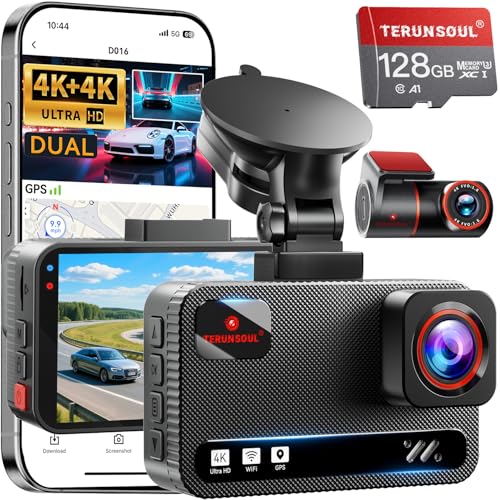
TERUNSOUl 4K+4K Dash Cam Front and Rear, Free 128GB Card Included, 5.8GHz WiFi Dash Camera for Cars, Built-in GPS, G-Sensor, 170°Wide Angle, 3" IPS Screen, 24H Parking Mode, Support 512GB Max
Ultra HD 4K Front + 4K Rear Recording: The Terunsoul dash cam supports dual-channel simultaneous recording, capturing both...
As an affiliate, we earn on qualifying purchases.

4K+1080P FHD Dash Cam Front and Rear, Dual Dash Camera for Cars with Night Vision, 2 Channel HDR Dash Camera, 24H Parking Mode Car Camera, Built-in GPS, WDR, 170°Wide Angle, WiFi 6, Free 64GB Card
4K ULTRA HD RECORDING: Dash cam offers 4K+1080P dual-channel recording capabilities, capturing footage simultaneously from both the front...
As an affiliate, we earn on qualifying purchases.