

TL;DR
IEEE has introduced a comprehensive training course focused on large language models (LLMs). The course aims to educate researchers and industry professionals on the latest techniques and applications in LLM development and deployment. This initiative underscores the growing importance of AI literacy in the tech community.
IEEE has officially launched a new training course focused on large language models (LLMs), designed for researchers, engineers, and industry professionals involved in AI development. The course aims to provide comprehensive knowledge on the latest techniques in LLM training, deployment, and ethical considerations, reflecting the increasing importance of these models in various applications.
The training program is part of IEEE’s broader efforts to promote standards and education in artificial intelligence. It covers topics such as model architecture, training data management, optimization techniques, and responsible AI practices. The course is available online and includes modules developed by leading AI experts, with practical exercises and case studies.
IEEE officials confirmed that the course is designed to accommodate different levels of expertise, from beginners to advanced practitioners. The launch aligns with the surge in demand for skilled professionals capable of developing and managing large language models, which are increasingly used in natural language processing, chatbots, translation services, and more.
Implications for AI Education and Industry Growth
This initiative by IEEE highlights the growing need for formal education and standardized training in the rapidly evolving field of large language models. As LLMs become central to AI applications across industries, the course aims to equip professionals with essential skills, potentially influencing industry standards and best practices. It also signals a push for more responsible AI development, with an emphasis on understanding the technical and ethical challenges involved.
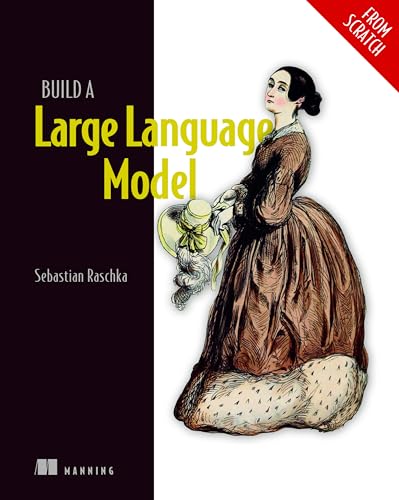
Build a Large Language Model (From Scratch)
As an affiliate, we earn on qualifying purchases.
As an affiliate, we earn on qualifying purchases.
Rising Demand for LLM Skills and IEEE’s Educational Role
Large language models like GPT-4 and similar architectures have transformed AI research and commercial applications over the past few years. The complexity and resource requirements of developing these models have increased, prompting a need for specialized training. IEEE, as a leading professional organization in engineering and technology, has historically played a role in setting standards and providing educational resources. The launch of this course marks a strategic move to address the skills gap in AI development and deployment.
Previous efforts by IEEE included standards development and conferences focused on AI ethics and safety. The new course expands their educational offerings, directly targeting the technical workforce involved in LLMs.
“This course represents a significant step forward in equipping professionals with the knowledge necessary to develop responsible and effective large language models.”
— Jane Smith, IEEE Education Director
Details on Course Enrollment and Content Depth Still Unclear
It is not yet clear how many participants the course will accommodate initially, or whether it will be offered in multiple languages. The specific depth of technical content and prerequisites for enrollment have not been fully disclosed. Additionally, the extent to which the course will be updated to reflect rapid advancements in LLM research remains unknown.
Expected Rollout and Industry Impact of the Training Program
The course is now available online, with registration open to professionals worldwide. IEEE plans to monitor enrollment and gather feedback for future iterations. The organization may also expand the program to include certifications or specialized tracks. Industry observers anticipate that this training could influence hiring standards and promote best practices across AI development sectors.
Key Questions
Who is the target audience for the IEEE LLM training course?
The course is designed for AI researchers, engineers, data scientists, and industry professionals involved in developing or deploying large language models.
What topics does the course cover?
It covers model architecture, training techniques, data management, ethical considerations, and practical applications of large language models.
Is the course suitable for beginners?
Yes, the curriculum is structured to accommodate both beginners and experienced practitioners, with foundational modules and advanced topics.
Will completing the course provide certification?
Details on certification are not yet confirmed, but IEEE may offer certificates of completion or accreditation in the future.
How might this course influence the AI industry?
It could set new standards for skills and best practices, encouraging more responsible and effective development of large language models across sectors.
Source: hn