
TL;DR
AI-powered student planners use artificial intelligence to customize schedules, automate reminders, and analyze study patterns. They enhance time management, reduce stress, and adapt to each student’s habits, with recent advances making them more intuitive and accessible.
Imagine a planner that actually *understands* your schedule — one that learns your habits, nudges you when deadlines approach, and suggests the best times to study. That’s the promise of AI-powered student planners. These tools aren’t just digital calendars; they’re smart assistants designed to make your student life smoother, more organized, and less stressful.
If you’re tired of juggling multiple apps and missing deadlines, it’s time to see how AI is changing the game. Whether you’re in high school or college, these tools can adapt to your unique rhythm and help you stay ahead without feeling overwhelmed.
AI-powered student planners adapt to your habits, making schedules more personalized and effective.
Recent developments like NLP and predictive analytics significantly boost their usefulness and ease of use.
Choose platforms with strong security, especially if you’re sharing sensitive academic info.
These tools are best as supplements, not replacements for human guidance.
Getting started is easy: pick an app, input your info, and let AI optimize your study routine.
What Makes AI-Powered Student Planners Better Than Old-School Apps
AI-powered student planners stand out because they learn from your habits, not just store your tasks. They analyze when you’re most productive, suggest optimal study times, and automatically adjust your schedule if things change. For example, if you usually cram the night before, the app might suggest spreading tasks out earlier to reduce stress.
Understanding why this matters is crucial: traditional planners require manual updates and don’t adapt to your evolving routines. AI planners, by contrast, actively analyze your patterns, which means they can preemptively identify when your workload might become overwhelming or when you’re likely to procrastinate. This proactive approach helps you make better decisions about how to allocate your time, ultimately improving your academic performance and reducing last-minute cramming. However, this adaptability can sometimes lead to over-reliance on the system, so users should balance automation with personal judgment to avoid complacency.
Unlike simple to-do lists, these tools integrate with your calendar, email, and learning platforms. They push reminders, prioritize tasks based on urgency, and even help you track your progress over time. It’s like having a personal study coach that adapts to your needs.
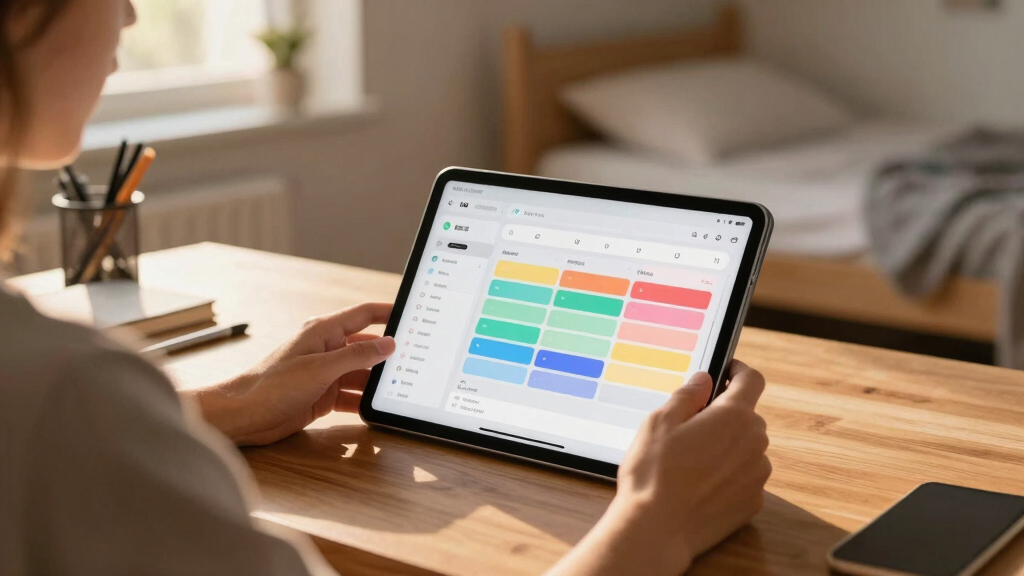
AI-powered student planner app
As an affiliate, we earn on qualifying purchases.
As an affiliate, we earn on qualifying purchases.
How AI Creates a Custom Study Plan Just for You
- Input your data: The app gathers info about your courses, deadlines, and study preferences. This initial step is vital because the quality of the AI’s recommendations depends on accurate, comprehensive data. Missing or incorrect info can lead to suboptimal schedules, so diligence at this stage pays off.
- AI analyzes habits: It spots patterns, like when you’re most alert or prone to procrastinate. Recognizing these tendencies allows the AI to tailor your study times to your natural rhythms, which can boost retention and motivation. For example, if the system detects you’re more focused in the mornings, it will suggest scheduling challenging tasks during that window.
- Adaptive scheduling: The system crafts a personalized timetable, suggesting study blocks, breaks, and review sessions. This isn’t static; it considers your feedback and ongoing performance, adjusting dynamically to keep your schedule realistic and effective. Such flexibility helps accommodate unexpected events or changes in your workload, fostering resilience and better time management.
- Ongoing tweaks: As you use it, the AI learns and refines your schedule, making it more accurate over time. This continuous learning process helps prevent stagnation and ensures your plan remains aligned with your evolving academic demands and personal habits.
Picture a student named Mia. She struggles to find time for her math exams. Her AI planner notices she’s most focused in the mornings and suggests a study slot then. It also reminds her to review notes from her last class, making her prep more efficient and less frantic. This personalized approach not only saves her time but also enhances her confidence, as she feels the schedule is tailored to her strengths and weaknesses. However, it’s important to remember that AI recommendations are aids—not absolute authorities—and students should review and adjust plans as needed to maintain control over their studies.
digital student planner with AI features
As an affiliate, we earn on qualifying purchases.
As an affiliate, we earn on qualifying purchases.
Defining the Principles of AI-Driven Academic Planning
At its core, AI-powered planning relies on principles of data analysis, machine learning, and user-centered design. These principles enable the system to adapt to individual needs, predict future challenges, and offer tailored solutions. By understanding the underlying concepts, students can better appreciate how these tools work and how to leverage them effectively.
Data analysis involves collecting and examining your input—such as deadlines, study habits, and performance metrics—to identify patterns. Machine learning algorithms then process this data to generate personalized schedules and recommendations. User-centered design ensures that the tools are intuitive, accessible, and aligned with student needs, fostering engagement and consistent use.
Understanding these principles helps students see AI planners not just as software but as intelligent partners in their academic journey, capable of enhancing their organizational skills through informed, adaptive support.
personalized study schedule app
As an affiliate, we earn on qualifying purchases.
As an affiliate, we earn on qualifying purchases.
Applying AI-Driven Planning in Real Life
Once students understand the basics, the next step is applying these tools to their daily routines. Start by choosing a platform that suits your needs and inputting accurate data about your courses, deadlines, and preferences. Regularly check and adjust your schedule based on how the AI’s suggestions align with your actual experiences.
For example, if your AI recommends study sessions in the evening but you find yourself more alert in the mornings, don’t hesitate to modify the plan. The goal is to create a flexible, personalized routine that evolves with your academic life. Use the AI’s reminders and progress tracking to stay motivated and accountable. Over time, this practice helps you develop better self-management skills and confidence in your ability to meet deadlines and prepare effectively.
Remember, AI tools are meant to assist—not replace—your judgment. Combining automated suggestions with your own insights ensures a balanced and effective approach to studying and time management.
smart academic organizer
As an affiliate, we earn on qualifying purchases.
As an affiliate, we earn on qualifying purchases.
Frequently Asked Questions
Are AI-powered student planners really secure for my personal data?
Most reputable apps encrypt your data, limit access, and follow privacy laws like GDPR. Always review the privacy policy before sharing sensitive information, and choose platforms with strong security measures.
Can AI planners handle complex or unpredictable schedules?
They work best with consistent routines but may struggle with highly erratic schedules unless they have adaptive features. When schedules are unpredictable, these tools can still be helpful if used with manual adjustments and oversight. Recognize their limitations: over-reliance on automation without personal intervention can lead to missed deadlines or misaligned plans, especially if the app cannot fully accommodate sudden changes. Regularly review and modify your schedule to ensure it remains realistic and effective, balancing AI suggestions with your personal judgment.
Will these tools replace my teachers or counselors?
No, they’re designed to assist with organization and reminders. They lack the emotional intelligence and personalized guidance that humans provide. Use them as a support tool, not a substitute.
Are AI student planners affordable for students on a budget?
Many offer free basic versions, with optional premium features. Costs vary from free to around $10-20 per month, making them accessible for most students seeking extra help.
What limitations should I be aware of before using an AI planner?
They depend on accurate input and can’t interpret complex emotional or academic nuances. Over-reliance might reduce your ability to plan independently, and they may not fully understand non-standard schedules or personal circumstances. Recognizing these limitations helps you use the tools effectively without diminishing your own planning skills. Always supplement AI guidance with your judgment and stay engaged in your academic planning process.
Conclusion
Imagine a future where your planner isn’t just a static list but a dynamic partner helping you conquer deadlines and stay motivated. AI-powered student planners make that possible—turning chaos into clarity with a few taps. Embracing these tools can transform your approach to studying, making your routine more efficient and less stressful.
By leveraging AI’s ability to analyze your habits and adapt in real time, you gain a significant advantage in managing academic pressures. The key is to view these tools as enhancements—complementing your efforts and providing insights that would be difficult to discover on your own. As with any technology, understanding their limitations—such as over-reliance or privacy concerns—is essential for making the most of their benefits.
Now, don’t just read about it—try one today. Your future self will thank you for the extra edge.