

Tax-loss harvesting with tokenized securities offers a new way to manage your investment portfolio efficiently, combining digital assets with traditional tax strategies. By selling tokens at a loss, you can offset gains and lower your tax bill, all while maintaining transparency through blockchain technology. But as this approach evolves, understanding the potential benefits and regulatory considerations becomes essential. Exploring how this method could reshape your investment approach might be worth your attention.
Key Takeaways
- Tokenized securities enable digital loss realization, allowing investors to offset gains and reduce tax liabilities similar to traditional assets.
- Proper blockchain record-keeping ensures accurate documentation of transactions, supporting tax-loss harvesting claims.
- Losses from tokenized securities can offset capital gains across asset classes, including cryptocurrencies, under IRS rules.
- Using tokenized assets for tax-loss harvesting offers transparency and efficiency in identifying and executing loss-generating trades.
- Regulatory and platform-specific factors influence the reporting and compliance process for tax-loss harvesting with tokenized securities.

Tax-loss harvesting is a strategy that allows you to reduce your tax liability by selling investments at a loss to offset gains from other assets. Virtually, when you sell an asset for less than what you paid, you realize a loss. By strategically selling such assets, you can use these realized losses to cancel out taxable gains from other investments, lowering your overall tax bill. This approach is often used toward the end of the tax year to maximize benefits. It also enables you to reinvest in similar or related assets to maintain your portfolio’s market exposure without sacrificing your investment strategy. In the United States, you can deduct up to $3,000 of net capital losses each year against ordinary income, with any remaining losses carried forward to future years, making this an effective tool for tax planning.
Tax-loss harvesting helps reduce taxes by offsetting gains with losses, enabling strategic portfolio management and tax planning.
When it comes to tokenized securities, the mechanics of tax-loss harvesting are quite similar to traditional assets like stocks or bonds. Tokenized securities are digital representations of traditional assets, secured on a blockchain, which makes ownership fractional and transparent. Selling these assets at a loss creates a taxable event, allowing you to recognize capital losses just as you would with stocks. If you sell a tokenized security for less than its purchase price, you generate a realized loss that can offset gains elsewhere in your portfolio. The proceeds from the sale can then be used to buy similar tokenized securities, ensuring you stay invested in your desired market exposure while harvesting the loss. Thanks to blockchain’s transparency, it’s often easier to identify loss positions and execute trades swiftly, making the process more efficient.
From a tax perspective, losses from tokenized securities are treated similarly to those from traditional securities under IRS rules. These losses can offset capital gains from various asset classes, including cryptocurrencies and traditional stocks. The $3,000 annual limit on deducting net capital losses applies here too, with any excess losses carried forward indefinitely. This can be particularly advantageous in reducing taxes on short-term gains, which are typically taxed at higher rates. Proper record-keeping on the blockchain, including transaction details and timestamps, helps substantiate your loss claims during tax filing, ensuring compliance and maximizing benefits. Accurate record-keeping is essential because the digital nature of tokenized assets requires diligent documentation for tax purposes.
However, investing in tokenized securities also comes with unique challenges. Regulatory frameworks and custodial arrangements might impact how losses are reported and recognized, and the liquidity or volatility of tokenized assets can differ markedly from traditional securities. The IRS’s guidance on wash-sale rules and their application to tokenized assets is still evolving, which means you need to stay informed. Additionally, tax reporting software is gradually incorporating these assets, but discrepancies or gaps may still exist. Being aware of the specific characteristics of your tokenized securities and the policies of the platform you’re using can help you navigate these complexities effectively.

Coleman Sicily Energy-Efficient AirJet Inflatable Hot Tub 5-7 Person with App-Control
ENERGY-EFFICIENT CONSTRUCTION: EnergySense insulated walls and cover are up to 40% more energy-efficient than similar hot tubs; MaxHold...
As an affiliate, we earn on qualifying purchases.
Conclusion
Imagine your portfolio as a vibrant garden, where strategic pruning with tokenized securities helps remove the weeds of unnecessary taxes. By harvesting losses digitally, you clear the way for fresh growth and brighter returns, all tracked transparently on the blockchain. With careful planning, you’ll nurture a resilient, flourishing investment landscape that’s ready to weather any market storm. Embrace this innovative approach and watch your after-tax harvest blossom into long-term wealth.
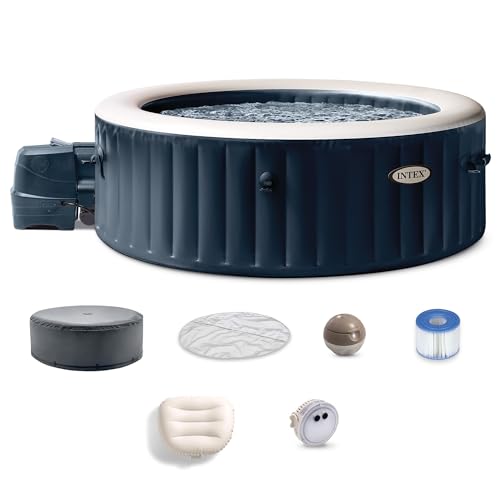
INTEX 28431EP PureSpa Plus Bubble Massage Inflatable Spa Set: Includes Energy Efficient Spa Cover –2 Headrests – LED Light – 6 Person Capacity – 85" x 28"
FIBER-TECH BEAM CONSTRUCTION: Innovative Fiber-Tech Technology offers superior structural stability while maintaining a comfortable surface for a luxurious...
As an affiliate, we earn on qualifying purchases.

INTEX PureSpa Greystone Deluxe 4 Person Square Inflatable Hot Tub, Bubble Massage Spa Set with Energy Efficient Cover, 2 Headrests, & LED Light, 69 in x 28 in
Heated Air Bubble Technology: Immerse yourself in heated air bubbles that relax your body, melt away stress, and...
As an affiliate, we earn on qualifying purchases.

Bestway SaluSpa Fiji 2 to 4 Person Inflatable Hot Tub, Round Energy-Efficient Portable Outdoor Spa with 120 AirJets, 71" x 26"
Soothing AirJet Massage System: The Bestway SaluSpa Fiji hot tub features 120 bubble jets that create a warm...
As an affiliate, we earn on qualifying purchases.