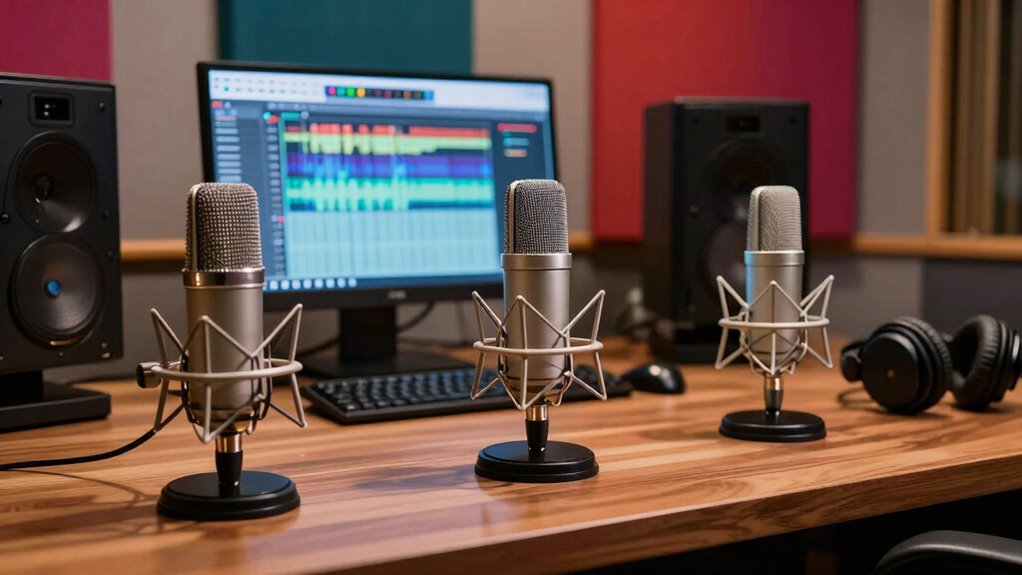

When seeking a microphone for podcasting premium, the goal is to find a device that delivers broadcast-quality sound with minimal effort. The RØDE Procaster stands out as the best overall pick for its robust build and rich sound profile. The Shure SM7B is a top choice for those prioritizing studio-grade audio, while the Shure MV7+ offers a versatile hybrid setup suitable for both beginners and pros. These options highlight the key tradeoff: investing more typically yields better sound quality and durability, but complicates setup or increases cost. Continue reading for a detailed breakdown of each top-tier microphone to help you find the perfect fit.

Get business pricing on tech for your team
- Business-only prices and quantity discounts
- Tax-exempt purchasing
- Multiple users, one account, clear invoices
Complete the kit

Key Takeaways
- The best premium microphones balance exceptional sound quality with build durability and usability.
- Hybrid models that combine USB and XLR connectivity offer greater flexibility for different recording setups.
- The top picks tend to include features like noise cancellation, multiple pickup patterns, and professional-grade components.
- Pricing varies significantly; investing more generally results in better audio fidelity but less user-friendly features for beginners.
- Choosing the right microphone depends heavily on your specific podcasting environment and technical comfort level.
| RØDE Microphones Procaster Broadcast Dynamic Vocal Microphone |  | Best Overall for Broadcast-Quality Voice Recording | Type: Dynamic microphone | Intended use: Podcasting, radio production, voice-overs | Features: Internal pop filter, internal shock mount, balanced low impedance output | VIEW ON AMAZON | See Our Full Breakdown |
| Shure MV6 USB Gaming Microphone for Streaming & Recording |  | Best for Easy Plug-and-Play Versatility | Connectivity: USB-C | Technology: Voice Isolation, DSP processing, Popper Stopper | Monitoring: 3.5mm headphone output | VIEW ON AMAZON | See Our Full Breakdown |
| Shure SM7B Dynamic Vocal Microphone for Podcasting & Streaming |  | Best for Professional-Grade Studio Sound | Type: Dynamic Vocal Microphone | Frequency Response: Broad-range | Pickup Pattern: Cardioid | VIEW ON AMAZON | See Our Full Breakdown |
| Shure MV7X XLR Podcast Microphone with XLR Cable |  | Best for XLR-Powered Professional Podcasting | Type: Dynamic Microphone | Connectivity: XLR | Color: Black | VIEW ON AMAZON | See Our Full Breakdown |
| Shure MV7+ USB-C & XLR Podcast Dynamic Microphone with Stand – Black |  | Best for Versatile Connectivity and Advanced Features | Connectivity: USB-C and XLR | Features: OBS Certified, Voice Isolation, DSP, LED Touch Panel | Included: Microphone, Stand | VIEW ON AMAZON | See Our Full Breakdown |
| ZealSound Podcast Microphone for PC, Noise Cancellation USB Mic with Gain, Volume Adjustment & Mute Button, Monitoring & Echo, for YouTube, TikTok, Podcasting, Streaming, iPhone, iPad, Android, Mac |  | Best Overall for Multi-Device Flexibility and User Control | Frequency Response: 40Hz–18kHz | Sampling Rate: 46kHz | Sensitivity: –45dB ±3dB | VIEW ON AMAZON | See Our Full Breakdown |
| MAONO PD200W Hybrid Wireless Podcast Microphone for PC, Dynamic XLR USB Mic |  | Best for Wireless Freedom and Studio-Quality Sound | Connectivity: Wireless, USB, XLR | Microphone Type: Dynamic | Pickup Pattern: Cardioid | VIEW ON AMAZON | See Our Full Breakdown |
| FIFINE AmpliTank K688CT Podcast Microphone Kit, USB/XLR Dynamic Vocal Mic | 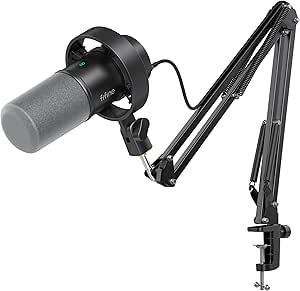 | Best for Complete Podcasting Setups with Versatile Connectivity | Connectivity Technology: USB, XLR | Signal-to-Noise Ratio: 80 dB | Frequency Response: 50Hz-16KHz | VIEW ON AMAZON | See Our Full Breakdown |
| FIFINE AmpliGame AM8T XLR/USB Gaming Microphone Set, Dynamic PC Mic |  | Best for Gaming and Streaming with RGB Flair | Connectivity: USB and XLR | Microphone Type: Dynamic | Polar Pattern: Cardioid | VIEW ON AMAZON | See Our Full Breakdown |
| Shure MV7+ USB-C & XLR Podcast Dynamic Microphone – White |  | Best for Professional-Grade Podcasting with Built-in DSP | Certification: OBS-Certified | Connectivity: USB-C and XLR | Color: White | VIEW ON AMAZON | See Our Full Breakdown |
| Logitech Blue Yeti USB Microphone for PC, Mac, Gaming, Recording, Streaming, Podcasting, Studio and Computer Condenser Mic with Blue VO!CE Effects, 4 Pickup Patterns, Plug and Play – Blackout |  | Best Overall for Versatile High-Quality Recording | Pickup Patterns: Cardioid, Omni, Bidirectional, Stereo | Connectivity: USB | Software: Blue VO!CE effects | VIEW ON AMAZON | See Our Full Breakdown |
| Shure MV7+ Hybrid Podcast Microphone with Adjustable Boom Arm Stand |  | Best for Professional-Grade Studio Sound with Flexibility | Connectivity: USB-C and XLR | Included accessories: Adjustable desktop boom arm stand | Features: Touch control, customizable LEDs, EQ, compression, reverb | VIEW ON AMAZON | See Our Full Breakdown |
| Shure MV7+ USB-C & XLR Podcast Dynamic Microphone – Black |  | Best for Content Creators Needing Versatile Connectivity and Effects | Connectivity: USB-C & XLR | Features: Customizable LED, auto level, real-time denoising, reverb | Intended Use: Podcasting, streaming, voiceover, recording | VIEW ON AMAZON | See Our Full Breakdown |
| Shure MV7 USB Podcast Microphone and Stand |  | Best for Desktop-Setups with Onboard DSP | Type: USB Dynamic Microphone | Color: Black | Connectivity: USB and XLR | VIEW ON AMAZON | See Our Full Breakdown |
| microphone for podcasting premium | Connectivity | Features |
|---|---|---|
| RØDE Microphones Procaster Bro | — | Internal pop filter, internal shock mount, balanced low impedance output |
| Shure MV6 USB Gaming Microphon | USB-C | — |
| Shure SM7B Dynamic Vocal Micro | XLR | — |
| Shure MV7X XLR Podcast Microph | XLR | — |
| Shure MV7+ USB-C & XLR Podcast | USB-C and XLR | OBS Certified, Voice Isolation, DSP, LED Touch Panel |
| ZealSound Podcast Microphone f | USB-C, Lightning adapters included | Noise Reduction Mode, Zero-Latency Monitoring, Adjustable Gain, Echo Control, Mute Button |
| MAONO PD200W Hybrid Wireless P | Wireless, USB, XLR | — |
| FIFINE AmpliTank K688CT Podcas | — | — |
| FIFINE AmpliGame AM8T XLR/USB | USB and XLR | — |
| Shure MV7+ USB-C & XLR Podcast | USB-C and XLR | Auto Level, Real-Time Denoising, Reverb Effects, Customizable LED |
| Logitech Blue Yeti USB Microph | USB | — |
| Shure MV7+ Hybrid Podcast Micr | USB-C and XLR | Touch control, customizable LEDs, EQ, compression, reverb |
| Shure MV7+ USB-C & XLR Podcast | USB-C & XLR | Customizable LED, auto level, real-time denoising, reverb |
| Shure MV7 USB Podcast Micropho | USB and XLR | Onboard DSP |
More Details on Our Top Picks
RØDE Microphones Procaster Broadcast Dynamic Vocal Microphone
The RØDE Procaster stands out for its broadcast-grade sound tailored specifically to vocal recording. Compared with the Shure SM7B, it offers a more straightforward setup without the need for additional accessories, making it ideal for professional voice work. Its internal pop filter and shock mount effectively reduce plosives and handling noise, providing cleaner recordings. However, it’s limited to vocal applications and doesn’t support instruments, which might restrict versatility for multi-purpose studios. The requirement for phantom power or a suitable interface adds complexity and cost, but for pure voice clarity, this tradeoff pays off.
Pros:- Excellent clarity for voice and broadcast use
- Reduces plosive sounds with internal pop filter
- Low handling noise due to shock mounting
Cons:- Limited to vocal recording; not suited for instruments
- Requires phantom power or a compatible interface
Best for: Professionals or serious hobbyists focused on voice-over, radio, or podcasting who want broadcast-quality sound without extensive equipment.
Not ideal for: Musicians or multi-instrument producers seeking a versatile microphone for both vocals and instruments, since this model is optimized solely for voice.
- Type:Dynamic microphone
- Intended use:Podcasting, radio production, voice-overs
- Features:Internal pop filter, internal shock mount, balanced low impedance output
Our verdict“This mic is best for voice-focused recordings where broadcast clarity outweighs multi-purpose flexibility.”
Shure MV6 USB Gaming Microphone for Streaming & Recording
The Shure MV6 excels in delivering high-quality voice clarity with minimal setup, making it a strong choice for those new to podcasting or streaming. Its USB-C connection simplifies the process, compared to the XLR-dependent SM7B, and its DSP features include voice isolation and real-time processing that improve sound right out of the box. While its software customization is powerful, it can be overwhelming for casual users, and the lack of an XLR option limits future upgrade paths if higher-end studio gear is desired. For those prioritizing convenience without sacrificing sound quality, this model offers a compelling balance.
Pros:- Excellent voice clarity with noise reduction
- Simple USB-C plug-and-play setup
- Built-in DSP for real-time processing
Cons:- Limited to USB-C; no XLR support
- Software customization may be complex for some users
Best for: Beginners or streamers who want a straightforward, high-quality microphone with minimal fuss and quick setup.
Not ideal for: Advanced audio engineers or musicians needing XLR connectivity for complex studio setups, since it lacks XLR support.
- Connectivity:USB-C
- Technology:Voice Isolation, DSP processing, Popper Stopper
- Monitoring:3.5mm headphone output
- Compatibility:PC, Mac, Shure MOTIV app
Our verdict“Ideal for newcomers seeking excellent sound with quick setup, but less suitable for professional studio environments.”
Shure SM7B Dynamic Vocal Microphone for Podcasting & Streaming
The Shure SM7B is renowned for its warm, natural vocal reproduction and durability, making it a staple in professional studios. Its all-metal construction means it can withstand heavy use, and the built-in pop filter minimizes plosive distortions better than many USB options like the MV6. Compared to the Procaster, it offers a more refined sound, but its XLR-only connection demands a dedicated audio interface and additional gear, raising the entry cost. Its bulkier size also makes it less portable, but for studio settings, this is a small tradeoff for the superior sound quality.
Pros:- Warm, balanced, broadcast-quality sound
- Effective noise and vibration reduction
- Durable all-metal build
Cons:- Requires an audio interface with XLR input
- Bulkier and less portable than USB microphones
Best for: Professional podcasters and streamers who want studio-quality sound and are ready to invest in XLR gear.
Not ideal for: Casual content creators or beginners who prefer simple plug-and-play solutions, since it requires additional equipment and setup.
- Type:Dynamic Vocal Microphone
- Frequency Response:Broad-range
- Pickup Pattern:Cardioid
- Connectivity:XLR
- Construction:All-metal
- Additional Features:Built-in pop filter, detachable windscreen, air suspension shock isolation
Our verdict“Best suited for users committed to a professional, studio-grade setup and willing to handle additional equipment.”
Shure MV7X XLR Podcast Microphone with XLR Cable
The Shure MV7X offers exceptional background noise rejection and rugged durability, making it ideal for podcasting in less-than-ideal environments. Its XLR connection ensures compatibility with professional audio gear, unlike the MV6, which is limited to USB-C, giving it an edge for those upgrading their studio. The included 20ft XLR cable and all-metal build support long-term use. However, the need for XLR connections and additional equipment might deter casual users or those seeking a simple, portable solution. This model makes the most sense for those who already have or plan to invest in a professional audio setup.
Pros:- Excellent background noise reduction
- Compatible with standard mic stands and professional audio gear
- Robust all-metal construction
Cons:- Requires XLR connection; no USB option
- Potentially higher cost for entry-level users
Best for: Podcasters and content creators with existing XLR setups seeking a noise-rejecting, durable microphone.
Not ideal for: Beginners or casual users who want plug-and-play functionality, as it involves XLR connections and additional gear.
- Type:Dynamic Microphone
- Connectivity:XLR
- Color:Black
- Material:All Metal
- Included Cable:20ft XLR Cable
- Thread Compatibility:5/8” yoke, 3/8” to 5/8” adapter
Our verdict“Perfect for users with a dedicated XLR-based studio seeking durability and noise rejection in a podcast mic.”
Shure MV7+ USB-C & XLR Podcast Dynamic Microphone with Stand – Black
The Shure MV7+ combines the best of both worlds, offering flexible USB-C and XLR connections, making it suitable for a variety of setups. Its OBS certification and advanced noise reduction technology support high-quality streaming and recording, while the app controls allow detailed sound tuning. The touch controls and LED indicators add a modern touch, but the array of features can overwhelm beginners who only want straightforward recording. For those with evolving studio needs or multiple device setups, this mic offers a compelling solution, though it might be overkill for casual podcasters focused solely on simplicity.
Pros:- Dual connectivity for versatile use
- Advanced noise reduction and voice isolation
- Customizable via app with touch controls and LED feedback
Cons:- Additional equipment may be needed for optimal XLR use
- Complex features could be confusing for beginners
Best for: Content creators who need a flexible, future-proof microphone for both quick setup and professional-grade recordings.
Not ideal for: Users seeking a simple, budget-friendly USB or XLR microphone without complex features or app integrations.
- Connectivity:USB-C and XLR
- Features:OBS Certified, Voice Isolation, DSP, LED Touch Panel
- Included:Microphone, Stand
Our verdict“Ideal for tech-savvy creators with evolving studio setups seeking high customization and flexibility.”
The ZealSound K66 stands out for delivering studio-quality audio with effective noise reduction, making it a strong choice for content creators who need high clarity across multiple devices. Its broad compatibility—including smartphones, PCs, and gaming consoles—surpasses many competitors like the Shure MV7+ in versatility. However, its feature-rich design might overwhelm users who prefer straightforward setups, and the lack of a included stand limits immediate use. Compared to the FIFINE AmpliTank, the ZealSound offers more refined controls but less physical stability without a stand. This microphone is ideal for creators who value real-time adjustments and multi-platform use but are comfortable with a more complex interface.
Pros:- High-quality studio sound with noise reduction
- Wide device compatibility including mobile and gaming platforms
- Intuitive physical controls for quick adjustments
- Real-time zero-latency monitoring
Cons:- Complex feature set may be overwhelming for beginners
- Limited information on durability and build quality
- No included stand or boom arm
Best for: Content creators and streamers who need a versatile, high-quality USB microphone with comprehensive device compatibility.
Not ideal for: Beginners seeking a simple plug-and-play solution or those preferring an all-in-one stand and microphone package.
- Frequency Response:40Hz–18kHz
- Sampling Rate:46kHz
- Sensitivity:–45dB ±3dB
- Connectivity:USB-C, Lightning adapters included
- Device Compatibility:Windows, Mac, iPhone, iPad, Android, PS4, PS5
- Features:Noise Reduction Mode, Zero-Latency Monitoring, Adjustable Gain, Echo Control, Mute Button
Our verdict“This microphone suits advanced users who prioritize flexibility and control across multiple devices, despite its learning curve.”
MAONO PD200W Hybrid Wireless Podcast Microphone for PC, Dynamic XLR USB Mic
The MAONO PD200W shines for offering seamless wireless, USB, and XLR connectivity, making it ideal for podcasters and streamers who need mobility without sacrificing sound quality. Its dynamic capsule and noise cancellation outperform many entry-level mics, including the FIFINE AmpliTank, especially in noisy environments. The long battery life and robust wireless range are significant advantages, but the need for additional accessories for video or streaming setups can add complexity. Unlike the Shure MV7+, which offers more advanced DSP features, the MAONO prioritizes portability and versatility, making it suitable for mobile or on-the-go recording. This mic is perfect for professionals and hobbyists who want flexible connections paired with studio-level clarity.
Pros:- Versatile connectivity: wireless, USB, and XLR
- Studio-quality sound with noise cancellation
- Supports dual microphones for interviews or duos
- Long battery life and stable wireless range
Cons:- Requires separate accessories for video or streaming sync
- RGB lighting customization may be unnecessary for some
- No built-in DSP or effects
Best for: Podcasters and streamers who value wireless mobility with professional sound quality and are comfortable managing additional accessories.
Not ideal for: Users seeking an all-in-one microphone with built-in processing or those who primarily record in fixed studio setups.
- Connectivity:Wireless, USB, XLR
- Microphone Type:Dynamic
- Pickup Pattern:Cardioid
- Signal-to-Noise Ratio:82dB
- Maximum SPL:128dB
- Battery Life:up to 60 hours
Our verdict“This microphone offers unmatched wireless flexibility for mobile professionals who need high-quality audio without wired constraints.”
FIFINE AmpliTank K688CT Podcast Microphone Kit, USB/XLR Dynamic Vocal Mic
The FIFINE AmpliTank K688CT offers a well-rounded kit that balances versatility with ease of use, making it suitable for streamers, gamers, and podcasters who need both USB and XLR options. Its included boom arm and shock mount enhance stability and reduce noise, outperforming simpler USB-only mics like the FIFINE AmpliGame in studio-quality. The controls for gain and mute are intuitive, but some users might find the setup instructions less straightforward, especially when integrating with external interfaces. The mic’s noise reduction features and sturdy build provide a professional edge, though its physical size and complexity might be overkill for casual users. It makes the most sense for those who want a flexible, expandable setup for serious recording.
Pros:- Versatile USB and XLR connectivity
- Includes durable boom arm and shock mount
- Features intuitive controls like mute and gain
- Effective noise reduction with accessories
Cons:- Function keys disable in XLR mode
- Requires external interface for XLR control
- Setup instructions may be complex for novices
Best for: Podcasters and streamers seeking a comprehensive, durable microphone kit with both USB and XLR connectivity for versatile recording environments.
Not ideal for: Beginners or casual users prioritizing simplicity over a full setup with multiple components.
- Connectivity Technology:USB, XLR
- Signal-to-Noise Ratio:80 dB
- Frequency Response:50Hz-16KHz
- Hardware Platform:Laptop, Mixer/Audio Interface, PC
- Maximum Frequency:16 KHz
- Enclosure Material:Metal
Our verdict“This kit is excellent for serious podcasters who want a flexible, expandable setup with professional-grade accessories.”
FIFINE AmpliGame AM8T XLR/USB Gaming Microphone Set, Dynamic PC Mic
The FIFINE AmpliGame AM8T offers a dynamic, versatile microphone solution with both USB and XLR options, making it especially appealing for gamers and streamers who want vibrant RGB lighting and easy controls. Its cardioid pattern and good SPL handling improve sound isolation over cheaper mics, while the included boom arm simplifies setup. Compared to the FIFINE AmpliTank, the AM8T’s RGB lighting adds a visual dimension, but its setup can be more complex, especially with the need for a compatible PC or console with sufficient USB ports. The absence of an included XLR cable might inconvenience users aiming for a fully wired professional setup. This mic makes the most sense for those balancing gaming aesthetics with decent audio quality.
Pros:- Versatile USB and XLR connectivity
- Includes sturdy boom arm for positioning
- Customizable RGB lighting enhances aesthetic appeal
- Features gain control and headphone monitoring
Cons:- XLR cable not included
- Setup or software configuration can be complex
- Requires PC with sufficient USB ports
Best for: Gamers and streamers who want a visually striking microphone with flexible connectivity for casual to semi-professional use.
Not ideal for: Professional podcasters seeking a purely studio-grade, XLR-focused setup without RGB distractions.
- Connectivity:USB and XLR
- Microphone Type:Dynamic
- Polar Pattern:Cardioid
- Sensitivity:-50dB
- RGB Lighting:Yes, customizable
- Included Accessories:Boom arm, clamp, cables
Our verdict“This microphone is ideal for gamers and streamers who want a colorful setup paired with decent sound performance and flexibility.”
Shure MV7+ USB-C & XLR Podcast Dynamic Microphone – White
The Shure MV7+ excels as a highly capable microphone offering both USB-C and XLR outputs, making it suitable for serious podcasters who want to fine-tune their sound. Its DSP processing, voice isolation, and auto gain provide a level of control that surpasses many competitors like the ZealSound, especially for those recording in variable environments. The built-in reverb and customizable LED touch panel add creative flexibility, but these features can complicate simple setups for beginners. Its higher price reflects its professional features, which might be overkill for casual users who prefer plug-and-play options. Overall, the MV7+ is a solid choice for those aiming for broadcast-quality sound with advanced control options.
Pros:- Exceptional audio with advanced DSP and voice isolation
- Dual outputs for flexible connectivity
- Customizable LED panel for personal setup
- Built-in reverb effects for creative audio
Cons:- Complex interface may intimidate beginners
- Higher price point than basic mics
- Requires learning to optimize settings
Best for: Professional podcasters and streamers who need a flexible, feature-rich microphone capable of detailed sound shaping and high-quality output.
Not ideal for: Casual hobbyists or newcomers seeking straightforward, budget-friendly podcast microphones without extensive controls.
- Certification:OBS-Certified
- Connectivity:USB-C and XLR
- Color:White
- Features:Auto Level, Real-Time Denoising, Reverb Effects, Customizable LED
- Application:Podcasting, Streaming, Recording
Our verdict“This microphone is perfect for experienced content creators wanting broadcast-level audio with extensive customization capabilities.”
Logitech Blue Yeti USB Microphone for PC, Mac, Gaming, Recording, Streaming, Podcasting, Studio and Computer Condenser Mic with Blue VO!CE Effects, 4 Pickup Patterns, Plug and Play – Blackout
The Blue Yeti stands out for its versatility, offering four pickup patterns that cater to a wide range of recording needs—from solo podcasts to group discussions. Its onboard controls and Blue VO!CE effects allow for quick adjustments and vocal enhancements, making it ideal for streamers and content creators who want professional-sounding audio without complex setup. Compared with the Shure MV7+, the Yeti’s plug-and-play USB connection simplifies use but sacrifices XLR flexibility. The bulkier design may be a drawback for those with limited desk space, and the premium price reflects its feature set. This microphone is best suited for creators who value convenience combined with broadcast-quality sound, but it may be less ideal for those needing a more compact or XLR-centric setup.
Pros:- Multiple pickup patterns for versatile recording scenarios
- Blue VO!CE effects enhance vocal clarity and entertainment value
- Intuitive onboard controls for quick adjustments
- Plug-and-play compatibility with Mac and PC
Cons:- Bulkier design requires more desk space
- Limited portability due to size and USB-only connection
Best for: Podcasters, streamers, and YouTubers seeking a versatile, easy-to-use microphone with onboard effects.
Not ideal for: Mobile content creators or those with limited desk space who prefer a smaller, more portable mic.
- Pickup Patterns:Cardioid, Omni, Bidirectional, Stereo
- Connectivity:USB
- Software:Blue VO!CE effects
- Controls:Headphone volume, pattern selection, mute, mic gain
- Design:Adjustable desktop stand, pivotable microphone
- Compatibility:Mac, PC
Our verdict“This pick makes the most sense for creators who want flexible, high-quality broadcast sound with ease of use.”
Shure MV7+ Hybrid Podcast Microphone with Adjustable Boom Arm Stand
The Shure MV7+ excels in delivering studio-quality audio, especially for serious podcasters and streamers who want both USB-C and XLR connectivity. Its included adjustable boom arm makes positioning straightforward, and its advanced controls via the MOTIV app allow for customized sound shaping, including EQ, compression, and reverb. Compared to the Logitech Blue Yeti, the MV7+ offers more professional-grade options but involves a steeper learning curve and setup complexity. Its dynamic capsule provides superior noise rejection, making it suitable for less-than-ideal acoustic environments. This microphone is best for professional podcasters or streamers who need flexible connection options and fine-tuned control, but casual users may find the interface daunting.
Pros:- Studio-quality sound with dynamic capsule
- Dual connectivity via USB-C and XLR for versatility
- Includes adjustable boom arm for precise positioning
- Advanced audio controls through the MOTIV app
Cons:- Higher price point compared to entry-level mics
- Requires some setup and familiarity with audio controls
Best for: Professional podcasters and streamers seeking high-fidelity sound with flexible connectivity and adjustable positioning.
Not ideal for: Beginners or casual content creators who prefer simple plug-and-play setups without additional equipment.
- Connectivity:USB-C and XLR
- Included accessories:Adjustable desktop boom arm stand
- Features:Touch control, customizable LEDs, EQ, compression, reverb
- Microphone type:Dynamic
Our verdict“This microphone is ideal for those who prioritize professional sound and are comfortable with a more involved setup process.”
Shure MV7+ USB-C & XLR Podcast Dynamic Microphone – Black
The Shure MV7+ in its USB-C & XLR version offers a compelling blend of versatility and sound customization, equipped with a customizable LED touch panel, auto level adjustment, and real-time denoising. Its built-in reverb effects can add a professional polish to vocal recordings, making it stand out from simpler mics like the Blue Yeti. However, its feature-rich interface may be overwhelming for newcomers, and the premium price tag reflects its advanced capabilities. The voice isolation technology helps in noisy environments, but the complexity might deter casual users who don’t need extensive controls. This model suits experienced creators who want fine-grained control and high-quality sound but could be overkill for beginners or those seeking straightforward plug-and-play operation.
Pros:- Flexible USB-C and XLR connectivity
- Customizable LED controls for easy adjustments
- Auto level adjustment and real-time denoising for consistent sound
- Built-in reverb effects for added vocal depth
Cons:- Complex interface may be intimidating for new users
- Premium features come with a higher price
Best for: Experienced podcasters, streamers, and voiceover artists who want a customizable, feature-rich microphone.
Not ideal for: Beginners or users looking for an ultra-simple setup without needing extensive controls.
- Connectivity:USB-C & XLR
- Features:Customizable LED, auto level, real-time denoising, reverb
- Intended Use:Podcasting, streaming, voiceover, recording
- Voice Technology:Voice Isolation Technology
Our verdict“This microphone is best for experienced users needing extensive control and high-quality audio in versatile environments.”
Shure MV7 USB Podcast Microphone and Stand
The Shure MV7 USB offers a straightforward solution for podcasters who want solid audio with minimal fuss. Its onboard DSP processing enhances voice clarity and reduces background noise, making it suitable for home or small studio environments. The included stand simplifies setup, and its USB connection makes it plug-and-play for most users. Compared with the Blue Yeti, the MV7’s DSP provides more refined sound control, but it lacks the multiple pickup patterns that benefit versatile recording scenarios. Its limited mobility and desktop-only design mean it’s less suited for on-the-go recording or multi-location setups. This model is perfect for desktop podcasters who prioritize reliable quality and easy operation, but not for those seeking a portable or multi-purpose microphone.
Pros:- High-quality audio with onboard DSP processing
- Includes sturdy desktop stand for immediate use
- USB and XLR options for future upgrade potential
- Simple plug-and-play setup
Cons:- Limited to desktop setup, less portable
- Fewer pattern options compared to multi-pattern mics
Best for: Podcasters and streamers who want a dependable, easy-to-use microphone with onboard processing for desktop use.
Not ideal for: Content creators needing a portable mic or more advanced multi-pattern recording options.
- Type:USB Dynamic Microphone
- Color:Black
- Connectivity:USB and XLR
- Features:Onboard DSP
- Included accessories:Stand
Our verdict“This microphone suits podcasters who value straightforward, quality audio with minimal setup and fuss.”

How We Picked
In selecting these microphones, I prioritized professional-grade sound quality, build quality, and versatility for high-end podcasting. Each product was evaluated for its clarity, noise handling, and overall durability—key factors for a premium experience. Usability was also critical; I looked for models with straightforward setup, flexible connectivity options, and features that support various recording environments. The ranking reflects a balance between performance, value, and suitability for different user needs, from seasoned broadcasters to aspiring podcasters seeking pro-level audio.Factors to Consider When Choosing Microphone For Podcasting Premium
When choosing a premium microphone for podcasting, it’s important to look beyond basic features and consider how the device will fit into your workflow. Factors like sound quality, connectivity, and build quality directly impact your recording experience. Additionally, understanding your environment and technical skills can help you avoid costly mistakes—such as buying a microphone that’s too complex or not suited for your space. The following sections highlight key considerations to help you make an informed decision.Sound Quality and Frequency Response
High-quality microphones should capture your voice with clarity and natural tonality. Look for models with a broad frequency response and low self-noise, which ensure your recordings sound professional without background hiss or muddiness. This is especially important if you plan to produce polished, broadcast-level content. Keep in mind that some microphones excel in certain vocal ranges or recording environments, so matching the mic’s characteristics to your voice is crucial for achieving the best sound.
Connectivity Options
Premium podcast microphones often come with multiple connection types, such as USB, XLR, or hybrid setups. USB mics are typically easier to use, ideal for those who prefer a simple plug-and-play experience, while XLR models provide higher audio fidelity and are preferred in professional studios. Hybrid mics combine both, offering flexibility for future upgrades or different recording scenarios. Consider your current setup and future needs when selecting the connection type to avoid unnecessary limitations.
Build Quality and Durability
Since premium microphones are an investment, durability matters. Look for models with sturdy construction, high-quality materials, and reliable internal components. Metal bodies and professional-grade capsules tend to last longer and withstand regular use. If you plan to move your setup frequently or use the mic in various environments, durability becomes even more important to prevent damage or performance degradation over time.
Ease of Use and Additional Features
Features like gain control, mute buttons, headphone monitoring, and multiple pickup patterns can significantly enhance your recording experience. Simpler microphones might lack these extras, but they also tend to be more straightforward for beginners. Consider your technical comfort level; investing in a model with user-friendly controls can save frustration during setup and recording sessions. However, more advanced features typically come with a learning curve and higher price tags.
Price and Value
Premium microphones vary widely in price, but higher cost usually correlates with better sound quality, durability, and feature set. It’s important to evaluate whether the additional expense aligns with your podcasting goals and budget. Spending more can be worthwhile if you need broadcast-level sound or plan to grow into more advanced setups. Conversely, if you’re just starting out or recording in a controlled environment, a slightly lower-priced model might offer better value for your specific needs.
Frequently Asked Questions
Is a XLR microphone worth the extra investment for podcasting?
Yes, an XLR microphone often provides superior sound quality and greater flexibility for professional setups. While it requires an audio interface or mixer, the investment in quality components and expandability can significantly improve your audio fidelity. This is especially true if you aim for broadcast-quality recordings or plan to upgrade your equipment over time. However, for casual or beginner podcasters, a high-quality USB microphone might suffice without the added complexity and cost.
Can I use a premium microphone in a noisy environment?
While many premium microphones include noise-canceling features or cardioid pickup patterns that reduce background noise, recording in a noisy environment remains challenging. Proper placement, acoustic treatment, and possibly additional noise reduction tools are necessary to get clear recordings. Investing in a microphone with built-in noise suppression can help, but setting up your recording space for optimal sound remains essential for premium results.
Should I prioritize microphone features or sound quality when choosing a premium model?
Sound quality should be the primary focus when selecting a premium microphone, but features that support usability and flexibility are also important. Features like multiple pickup patterns, gain control, and monitoring options can enhance your workflow and improve the final output. However, sacrificing sound quality for extra features typically isn’t advisable; look for a model that balances both aspects for the best overall experience.
Is a hybrid USB/XLR microphone better for future-proofing?
Hybrid microphones offer the advantage of switching between USB and XLR connections, providing greater versatility as your setup evolves. This flexibility allows you to start with simple USB recording and upgrade to a professional XLR setup later without changing your microphone. However, these models tend to be more expensive and slightly bulkier, so consider whether the added flexibility justifies the higher price for your current needs.
How much should I expect to spend on a truly premium podcast microphone?
Premium podcast microphones typically range from around $300 to over $600, depending on features and build quality. The higher end usually offers better sound fidelity, durability, and advanced features like multiple patterns or built-in audio processing. While investing more can elevate your podcast’s professionalism, it’s important to match your choice to your current needs and future plans—sometimes a slightly less expensive model can still deliver excellent results if it aligns with your environment and skill level.
Conclusion
For those seeking the best overall performance, the RØDE Procaster offers a perfect blend of sound quality and durability. Shure SM7B remains the top choice for professional broadcasters and serious content creators, thanks to its rich, warm tone and versatility. If budget is a concern but you still want premium quality, the Shure MV7+ provides a hybrid setup ideal for those starting to upgrade. Beginners aiming for simplicity should consider models like the Blue Yeti, while seasoned podcasters or studio owners will find value in higher-end, XLR-based options. Ultimately, your choice depends on your environment, technical comfort, and future plans—this roundup helps tailor the decision to your specific podcasting ambitions.