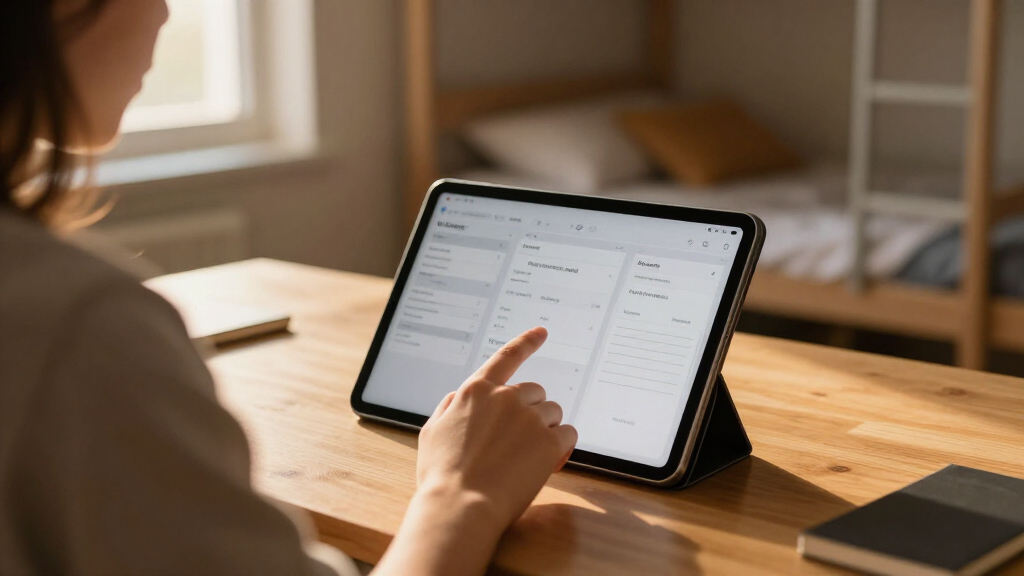
Shopping for AI-powered student planners in 2026 comes with a surprise: most of the category is still paper, and the AI part usually comes from the apps students pair with their planners. After comparing 15 options, I gave the top spot to the Excello Brands Academic Year Planner with Rocketplanner app integration, the only pick here that genuinely connects handwritten schedules to a digital app. The SUNEE Middle/High School Planner stands out as the value choice, packing stickers, a bookmark, and a portable frame at a budget price, while the SKYDUE 3-hole punched planner makes the most sense for students who live out of a binder. The core tradeoff is focus versus automation: pure paper keeps phones out of study time, while app-connected planners feed assignments into AI tools that can build study schedules and break down big projects. Two entries on this list are actually AI guidebooks for teachers, and I explain below exactly who should skip them. Keep reading for the full ranking, the criteria behind it, and a buying guide matched to different students.
Key Takeaways
- Only one of the 15 picks actually connects to software. The Excello Brands planner with Rocketplanner integration is the sole app-linked option; every other entry is paper that pairs with AI study tools rather than containing any intelligence itself.
- Layout beat features in the ranking. Planners with customizable subject boxes and matrix grids ranked above decorative options because per-subject structure is what keeps students writing past September.
- Stickers, bookmarks, and pockets are now table stakes. Nearly every planner on this list includes them, so binding type, page size, and date range ended up deciding the order.
- Two entries are not planners at all. The AI-Powered Classroom and The Power of AI for Educators are teaching guidebooks, and they sit at the bottom of the ranking — useful for teachers, useless for tracking homework.
- Start months quietly differ across the list. Most planners run July 2026 to June 2027, but at least one starts in May, and the wrong range wastes pages or strands the first weeks of school.


| AI-powered student planner | Size | Binding | Extras |
|---|---|---|---|
| Student Planner 2026-2027 with | 8.5" x 11" | — | Notes space and holiday reminders |
| The AI-Powered Classroom: A Pr | — | — | — |
| The Power of AI for Educators: | — | — | — |
| Aesthetic 2026-2027 Checkered | 8.5" x 5.8" | Spiral | — |
| Student Planner 2026-2027 | 6.5" x 8.3" | — | Colorful monthly tabs |
| Excello Brands Academic Year P | — | — | — |
| Global Datebooks 2026-2027 Stu | 7 x 9 inches | Spiral | Study skills pages |
| Student Planner 2026-2027 | 11 x 8.3 inches | Twin-wire, lies flat | Goal-setting sections, holiday overview, motivational quotes |
| SKYDUE Student Planner 2026-20 | — | Spiral bound | — |
| Global Datebooks 2026-2027 Ele | 8.5 x 11 inches | Spiral | Study resource pages |
| Student Planner 2026-2027 Midd | 8.5 x 11 inches | — | Dedicated space for classes, homework, and notes |
| SKYDUE Student Planner 2026-20 | — | Spiral bound | Tabbed months, study reference pages, pocket, stickers |
| Student Planner 2026-2027 | 8.5 x 11 inches | Twin-wire | — |
| Aesthetic 2026-2027 Checkered | 8.5 x 5.8 inches | Spiral | Notes pages, study tips, sticker sheet |
| Student Planner 2026-2027 | 9 x 11 inches | Twin-wire | — |
More Details on Our Top Picks
Student Planner 2026-2027 with Customized Subject Boxes
This option earns the Best Overall slot because it handles the problem that wrecks most student planners: schedules that change. The customizable subject boxes and included stickers let a swapped elective get relabeled instead of crossed out for nine months, and the thick, bright white paper means gel pens and highlighters stay on their own page. Next to the smaller SUNEE planner, its 8.5 x 11-inch spreads fit a full week of homework, deadlines, and reminders without cramped handwriting. The tradeoffs are real, though. There is no stated page count or cover material, so long-term durability is a guess, and there is no digital or AI layer whatsoever — the Excello Brands planner with Rocketplanner app integration covers that ground better. For pure paper planning, I’d call this the one to beat.
Pros:- Customizable subject boxes and stickers survive mid-semester schedule changes
- Thick, bright white paper resists ink bleed from gel pens and highlighters
- Full-size 8.5 x 11 pages hold a whole week without cramped writing
- Back pocket and user guide included
Cons:- No stated page count or cover material, so durability is a gamble
- Fully analog — no app, no AI features, nothing syncs
- Detailed layout may overwhelm minimalists
Best for: Students with shifting class schedules who want maximum writing space and ink-safe paper
Not ideal for: Buyers after genuine AI scheduling or app sync — it’s fully analog, and cover durability is undocumented
- Size:8.5″ x 11″
- Coverage:July 2026 – June 2027
- Layouts:Monthly calendars plus weekly pages with customizable subject boxes
- Paper:Thick, bright white, bleed-resistant
- Included:3 sticker sheets, user guide, back pocket
- Extras:Notes space and holiday reminders
- Page count:Not specified
Our verdict“The planner to buy if adaptable paper layouts matter more than software smarts.”
The AI-Powered Classroom: A Practical Guide to Enhancing Teaching and Learning with Artificial Intelligence
Of the two educator books in this lineup, The AI-Powered Classroom is the more hands-on read, which is why it ranks above The Power of AI for Educators. Its pitch is practical strategies: AI tools, applications, and best practices a teacher can actually try in lessons, rather than arguments for why AI matters. That practicality has limits, though. It assumes some familiarity with AI concepts, so a complete beginner may need to look up basics along the way, and it stays vague about which specific tools to pick. The bigger caveat for this roundup: it is a teaching guide, not a student planner, so it organizes a classroom’s thinking, not a student’s homework. I’d point teachers weighing AI adoption here and send students to the paper picks instead.
Pros:- Classroom-ready strategies rather than abstract AI theory
- Covers tools, applications, and best practices in one volume
- Directly targets teaching effectiveness and student engagement
Cons:- Assumes some prior familiarity with AI concepts
- Thin on specific, named tool recommendations
- A teaching guide, not a planner — no scheduling value for students
Best for: Teachers ready to put AI tools into real lessons this semester rather than just read about trends
Not ideal for: Students shopping for a planner, and total AI beginners who’d need the basics explained first
- Format:Book
- Subject:Artificial intelligence in education
- Audience:Educators and classroom teachers
- Focus:Practical strategies for classroom AI integration
- Coverage:AI tools, applications, and best practices
- Stated goal:Stronger teaching effectiveness and student engagement
- Prerequisite:Some familiarity with AI concepts helps
Our verdict“The right buy for a teacher ready to apply AI in lessons; the wrong one for anyone who needs to schedule homework.”
The Power of AI for Educators: Revolutionize Teaching to Stay Competitive, Reduce Workload, and Personalize Learning
This book ranks below The AI-Powered Classroom for one reason: it argues the case for AI more than it shows the work. Its strengths are framing — reducing teacher workload, personalizing learning for individual students, and staying professionally relevant as classrooms change. For an educator still deciding whether AI deserves space in an already packed week, that big-picture case is exactly the right starting point. The flip side is that readers wanting tool-by-tool walkthroughs will find it more theoretical than practical, and some AI familiarity is assumed. Like its companion book in this lineup, it is aimed at teachers, so it will not help a student track a single assignment. I’d treat it as the read before the read: motivation first, then the Classroom guide for method.
Pros:- Frames AI around workload reduction and personalized learning
- Helps educators decide where AI fits before buying tools
- Connects AI adoption to staying professionally relevant
Cons:- Leans conceptual, with few concrete tool walkthroughs
- Assumes baseline familiarity with AI concepts
- Written for teachers, so students get no planning utility
Best for: Educators deciding whether AI deserves a place in their teaching before committing to any tool
Not ideal for: Readers who want step-by-step tool walkthroughs — and any student, since there’s nothing to plan in
- Format:Book
- Subject:Artificial intelligence in education
- Audience:Teachers and educators
- Core themes:Staying competitive, reducing workload, personalizing learning
- Approach:Strategy-focused; more conceptual than hands-on
- Stated goal:Tailor learning to individual students
- Prerequisite:Familiarity with AI concepts recommended
Our verdict“Worth reading before any AI purchase if you’re an educator still deciding whether the technology fits your classroom.”
Aesthetic 2026-2027 Checkered Student Planner for Middle & High School
Where the Best Overall pick wins on space, the Aesthetic Checkered planner wins on carry. At 8.5 x 5.8 inches with a spiral binding that folds flat, it disappears into a crowded bag and opens one-handed between classes — a real outcome for students who abandon planners that feel like textbooks. It also packs built-in study tips and resource pages, guidance the larger Customized Subject Boxes planner leaves to the user. The compromises follow from the size: weekly entries cramp quickly, and the checkered cover with stickers is a love-it-or-skip-it look that skews young. There is no digital version either, so nothing here syncs or reminds. For middle and high schoolers who rate portability and looks above writing room, this is where I’d spend.
Pros:- Compact 8.5 x 5.8 size slips into small bags
- Spiral binding folds flat for writing between classes
- Study tips and resource pages add guidance beyond blank grids
- Checkered design plus stickers gives it real personality
Cons:- Small pages cramp longer entries quickly
- No digital version or reminder features
- Polarizing look skews toward younger teens
Best for: Middle and high schoolers who will only carry a planner if it looks good and fits a small bag
Not ideal for: Heavy note-takers and college students — the compact pages cramp fast, and the checkered look skews young
- Size:8.5″ x 5.8″
- Coverage:2026 – 2027 academic year
- Design:Checkered cover
- Binding:Spiral
- Layouts:Monthly and weekly spreads, notes, study tips
- Included:Sticker sheet
- Audience:Middle and high school students
Our verdict“Buy it if a planner has to look good and travel light to get used; skip it if you write a lot.”
Student Planner 2026-2027, SUNEE Middle/High School Academic Year Planner
The SUNEE planner takes the Best Value spot because it bundles what rivals charge out separately: bookmark, back pockets, planning stickers, and colorful monthly tabs, plus goal-setting and subject-tracking sections that push students toward planning habits rather than just date-keeping. Against the Best Overall Customized Subject Boxes planner, it gives up serious writing space — 6.5 x 8.3 inches versus 8.5 x 11 — so dense handwriting or long to-do lists overflow fast. It also shares the lineup’s weak spot: no app or AI integration, which matters in a roundup built around smart planning. Compared with the Checkered planner, though, its layout is more structured and less style-driven. For students who want guidance and accessories at a sensible price, it earns its place in my ranking.
Pros:- Goal-setting and subject-tracking sections build planning habits
- Bookmark, stickers, back pockets, and colored tabs all included
- Durable build holds up to daily backpack wear
Cons:- 6.5 x 8.3-inch pages run out of room fast for big handwriting
- No app or AI integration of any kind
- Aimed only at middle and high school students
Best for: Budget-minded students who want goal-setting structure and bundled accessories over page size
Not ideal for: Students with big handwriting or long daily to-do lists, and anyone who wants app integration
- Size:6.5″ x 8.3″
- Coverage:July 2026 – June 2027
- Layouts:Monthly and weekly planning pages
- Planning aids:Subject tracking and goal-setting sections
- Included:Planning stickers, bookmark, back pockets
- Extras:Colorful monthly tabs
- Audience:Middle and high school students
Our verdict“The sensible pick for students who want structure and extras without paying full-size prices.”
Excello Brands Academic Year Paper Planner (May 2026 – June 2027) with Rocketplanner App Integration
In a roundup about AI-powered planners, the Excello Brands planner is the only entry that truly delivers on the title’s promise, which earns it the top spot. Its Rocketplanner app integration scans handwritten pages and pushes events into Google, Outlook, or Apple Calendar, so a paper schedule actually triggers digital reminders. The 15-month run (May 2026 to June 2027) outlasts the 11-month Global Datebooks 7 x 9, and 100gsm paper shrugs off ink bleed better than budget rivals. The tradeoffs are real, though: scanning demands a phone camera and some patience, and the whole advantage evaporates if a student never opens the app — at that point the SKYDUE offers more paper-side organization (tabs, pocket) for less fuss. My pick for anyone who wants handwriting with a digital safety net.Pros:- Rocketplanner app scans handwriting and syncs events with Google, Outlook, and Apple Calendar
- 15-month span covers summer programs plus the full school year
- 100gsm paper resists ink bleed-through
- Full-size 8.5 x 11 pages fit detailed schedules and notes
Cons:- App features require a smartphone camera and a regular scanning habit
- Long-term value depends on Rocketplanner staying compatible and updated
- Without the app it’s a large, plain planner with fewer paper extras than the SKYDUE
Best for: Students who handwrite their plans but want them mirrored in Google, Outlook, or Apple Calendar
Not ideal for: Digital-only students, or anyone unlikely to keep up a scanning habit — the premium over paper-only rivals pays for the app workflow
- Duration:May 2026 – June 2027 (15 months)
- Page Size:8.5 x 11 inches
- Paper Weight:100gsm
- Format:Paper planner with companion app
- App:Rocketplanner with AI-assisted scanning
- Calendar Sync:Google, Outlook, Apple Calendar
- Input Method:Handwriting plus smartphone camera scanning
Our verdict“The only true AI-hybrid in this lineup — buy it if handwritten plans should still land on a digital calendar.”
Global Datebooks 2026-2027 Student Planner, 7 x 9 inches, Dated Weekly & Monthly Academic Planner
Compared with the Excello Brands planner above it, this Global Datebooks option makes no pretense of AI: there’s no app, no scanning, no sync. What it offers instead is a right-sized 7 x 9 format aimed squarely at middle and high schoolers — big enough for assignment detail, small enough to live in a backpack, unlike its 8.5 x 11 elementary sibling at the bottom of this list. The dated weekly and monthly layouts mean zero setup, and the bundled ruler, bookmark, and stickers give younger teens everything in one purchase. Study skills pages add genuine academic coaching rather than decoration. The obvious cost of that simplicity: once the 2026-2027 school year ends, the planner is done, and any family wanting calendar sync should look at the Excello instead. I’d call it the strongest pure-paper choice for teens.Pros:- 7 x 9 size balances writing space with backpack portability
- Dated weekly and monthly layouts need zero setup
- Ruler, bookmark, and stickers included in the box
- Study skills pages coach planning habits, not just dates
Cons:- No app, sync, or AI features of any kind
- Single academic year — useless after June 2027
- Cover styling may read young to image-conscious high schoolers
Best for: Middle and high schoolers who want a grab-and-go dated planner with zero setup
Not ideal for: Families seeking AI features or phone calendar sync — this is purely paper and expires after June 2027
- Size:7 x 9 inches
- Format:Dated weekly & monthly
- Date Range:August 2026 – June 2027
- Binding:Spiral
- Accessories:Ruler, bookmark, stickers
- Extras:Study skills pages
- Audience:Middle & high school students
- Digital Features:None
Our verdict“The strongest pure-paper pick for teens who value portability over apps.”
Student Planner 2026-2027, 11 x 8.3 inches, Weekly & Monthly Academic Planner with Stickers and Twin-Wire Binding
This planner’s angle is structure for motivation: along with weekly and monthly pages, it builds in goal-setting sections, holiday reminders, and motivational quotes, which nudges students to plan intentions rather than just log homework. The twin-wire binding lies flat, a small thing that matters when a student writes in it daily. At 11 x 8.3 inches it’s wide rather than tall — a different silhouette from the SKYDUE’s binder-ready frame — and it skips the SKYDUE’s tabs and storage pocket entirely. Set against the Excello Brands planner, the gap is stark: no app, no scanning, nothing AI despite the roundup’s theme, so digital reminders never happen. I’d position it as the pick for students who respond to visible goals and quotes, and who don’t need their planner to talk to their phone.Pros:- Goal-setting sections and holiday reminders build real planning habits
- Twin-wire binding lies flat for easier writing
- Motivational quotes and stickers keep engagement up
- 12 months of weekly and monthly pages cover the school year
Cons:- No digital or AI features — nothing syncs to a phone
- 11-inch width is awkward for smaller bags
- No tabs or storage pocket, unlike the SKYDUE
Best for: Students motivated by visible goals, quotes, and stickers rather than apps and notifications
Not ideal for: Students who want reminders on their phone — nothing here connects digitally, and the 11-inch width strains small bags
- Size:11 x 8.3 inches
- Duration:July 2026 – June 2027 (12 months)
- Layout:Weekly & monthly pages
- Binding:Twin-wire, lies flat
- Extras:Goal-setting sections, holiday overview, motivational quotes
- Accessories:Stickers
- Digital Features:None
Our verdict“Best for students who plan through goals and motivation, not notifications.”
SKYDUE Student Planner 2026-2027 with 3-Hole Punch, Spiral Bound, Tabbed Months, Study Reference Pages, Pocket & Stickers
The SKYDUE’s defining trick is its 3-hole punch: it drops straight into a standard binder, something neither the Global Datebooks 7 x 9 nor the Excello Brands planner can do, which makes it the natural pick for students who keep one master binder for every subject. Tabbed months and built-in study reference pages mean less flipping and fewer lost handouts, and the storage pocket catches permission slips that stickers alone won’t organize. What it won’t do is anything digital — like every paper-only option here, it sits in the Excello’s shadow on the AI front, with no sync or scanning. It’s also the bulkiest setup in this group once inserted into a binder. I see it suiting highly organized students who already live out of a binder.Pros:- 3-hole punch drops into any standard binder
- Tabbed months speed up page finding
- Study reference pages keep key info at hand
- Storage pocket holds loose papers and permission slips
Cons:- Bulky once combined with a binder
- No AI or digital companion features
- Limited to the 2026-2027 academic year
Best for: Binder-centric students who want their planner hole-punched and filed alongside classwork
Not ideal for: Minimalists — inside a binder it becomes the bulkiest carry in this roundup, and it offers no digital backup
- Academic Year:2026-2027
- Binding:Spiral bound
- Layout:Monthly & weekly
- Binder-Ready:3-hole punch
- Tabbed Months:Yes
- Study Reference Pages:Included
- Storage:Interior pocket
- Accessories:Stickers
- Digital Features:None
Our verdict“The obvious choice for binder loyalists; everyone else gets more from slimmer options.”
Global Datebooks 2026-2027 Elementary Student Planner 8.5″ x 11″
This is the younger sibling of the Global Datebooks 7 x 9 above, scaled up to 8.5 x 11 inches and retooled for elementary kids. The oversized pages leave room for big handwriting and parent-teacher notes, and the ruler bookmark, stickers, and study resource pages turn organization into something closer to a classroom activity than a chore. Where the Excello Brands planner assumes a student with a smartphone, this one assumes the opposite — no app, no camera, nothing to charge — which is exactly right for a nine-year-old. The size is the catch: it barely fits smaller backpacks, and the content skews too young for middle schoolers, who should look at the 7 x 9 Global Datebooks instead. My recommendation for grades K-5, full stop.Pros:- Large 8.5 x 11 pages suit big elementary handwriting
- Ruler bookmark, stickers, and study resources included
- No-phone-needed organization for young kids
- Durable spiral binding stands up to daily use
Cons:- Too large for many kids’ backpacks
- Content skews too young for middle school and beyond
- No digital features for families who want calendar sync
Best for: Elementary students (K-5) who need big writing spaces and parent-visible layouts
Not ideal for: Middle schoolers and up — both the content tone and the 8.5 x 11 size miss the mark for older students
- Format:Dated weekly & monthly
- Dates Covered:August 2026 – June 2027
- Size:8.5 x 11 inches
- Binding:Spiral
- Accessories:Ruler/bookmark, stickers
- Extras:Study resource pages
- Audience:Elementary students
- Digital Features:None
Our verdict“The right first planner for elementary kids — big, simple, and phone-free.”
Student Planner 2026-2027 Middle School & High School Matrix, 8.5″ x 11″
This pick makes the most sense for the widest range of students because it teaches planning instead of just holding plans. The Matrix uses subject-based daily layouts — a row per class — which mirrors how a middle or high school day actually runs, unlike the open weekly grids in the Aesthetic Checkered planner or the 9 x 11-inch Student Planner. Its guided framework for time management builds the habit that AI scheduling apps automate but never teach, and the 144 full-color pages keep younger teens engaged week after week. At 8.5 x 11 inches it shares the same carry problem as the flexible-cover Student Planner with Stickers and Tabs, and there is no app integration to sync deadlines the way the Excello Brands Rocketplanner model does. I’d still rank it first: for grades 6-12, structure beats connectivity.
Pros:- Subject-based daily layout mirrors an actual class schedule
- Guided framework actively develops study and organization habits
- 144 full-color pages keep students visually engaged
- Fits standard lockers and backpacks
Cons:- 8.5 x 11-inch size is bulky for everyday carrying
- No digital or AI companion to push deadline reminders
- Locked to the 2026-2027 academic year
Best for: Middle and high school students (grades 6-12) who need help building real time-management habits, not just a place to write homework
Not ideal for: Students who want AI reminders and phone sync — it’s paper-only, and the full-size pages are heavy for daily carrying
- Size:8.5 x 11 inches
- Pages:144 full-color pages
- Coverage:July 2026 – June 2027
- Target Audience:Grades 6-12
- Layout:Vertical weekly, subject-based daily
- Extras:Dedicated space for classes, homework, and notes
Our verdict“The strongest choice for students who need a planner that builds the planning habit itself, as long as paper-only works for them.”
SKYDUE Student Planner 2026-2027 with 3-Hole Punch, Spiral Bound, Tabbed Months, Study Reference Pages, Pocket & Stickers Included, Blue
The SKYDUE Student Planner solves a problem the rest of this lineup ignores: most spiral planners get abandoned because they compete with the binder a student already carries. The standard 3-hole punch means this one lives inside it, so there is one less thing to remember at 7 a.m. Compared with the 9 x 11-inch Student Planner, which also offers tabs and a pocket, SKYDUE adds study reference pages — quick-lookup material middle schoolers actually flip to during homework. The compromise is heft and a single blue colorway; students who care about looks will prefer the Aesthetic Checkered planner’s personality. And as with the SUNEE and Global Datebooks paper options, there is no app layer here, so any smart planning has to come from the student’s own routine rather than from notifications.
Pros:- 3-hole punch integrates directly into a standard binder
- Study reference pages give quick access during homework
- Tabbed months make navigation fast for younger students
- Pocket and sticker sheet included
Cons:- Bulkier than standalone minimalist planners
- Only one color option
- No digital or AI features for reminders
Best for: Middle schoolers who live out of a 3-ring binder and want their planner, reference pages, and loose papers in one place
Not ideal for: Minimalists and style-conscious students — it’s on the bulky side and only comes in blue
- Year:2026-2027
- Binding:Spiral bound
- Pages:Monthly and weekly layouts
- Binder Compatibility:Standard 3-hole punch
- Extras:Tabbed months, study reference pages, pocket, stickers
- Color:Blue
Our verdict“The right pick for a binder-centric student who wants organization consolidated into a single system.”
Student Planner 2026-2027 – Academic Planner with Stickers, Tabs, and Weekly Goals, 8.5” x 11”
Compared with similar options, this planner delivers the standard toolkit at the lowest commitment: monthly and weekly pages, stickers, tabs, and holiday reminders in a flexible-cover package. The twin-wire binding with rounded corners is a durability detail usually found on pricier planners, and it matters because a school-year book spends its life at the bottom of a bag. Coverage starts in August rather than July, so students who like mapping out summer sessions get a month less than the Matrix or the 9 x 11-inch Student Planner. It also lacks the SKYDUE’s 3-hole punch and study reference pages, and there is no digital or AI component to pair with a phone — a real gap next to the Excello Brands Rocketplanner model. For a student trying structured planning for the first time, I’d call this the sensible starter before spending more.
Pros:- Covers the full core toolkit: monthly pages, weekly goals, stickers, tabs
- Twin-wire binding and rounded corners hold up to daily bag wear
- Flexible cover keeps weight manageable for a full-size planner
- Holiday reminders built in
Cons:- Coverage starts in August, a month shorter than July-start rivals
- No 3-hole punch or reference pages like the SKYDUE offers
- No digital or AI integration
Best for: First-time planner users and budget-conscious families who want a durable, complete paper planner without paying for extras
Not ideal for: Students who need July coverage for summer planning, or anyone expecting app connectivity and automated reminders
- Size:8.5 x 11 inches
- Duration:August 2026 – June 2027
- Pages:Monthly and weekly
- Binding:Twin-wire
- Cover:Flexible with rounded corners
- Includes:Stickers, tabs, holiday reminders
Our verdict“A durable, complete starter planner for students new to organized planning who don’t need binder compatibility or app sync.”
Aesthetic 2026-2027 Checkered Student Planner for Middle & High School
This option stands out for portability above everything else. At 8.5 x 5.8 inches, the Aesthetic Checkered Student Planner is roughly half the footprint of the 9 x 11-inch Student Planner, so it disappears into a backpack side pocket instead of fighting textbooks for space. The tradeoff is writing room: weekly spreads feel tighter, and students who track long assignment lists will bump against the page edges. The sticker sheet and built-in study tips give younger middle schoolers a low-pressure way to start planning, which I’d argue matters more at that age than any layout gimmick. Compared with the Excello Brands planner and its Rocketplanner app integration, there is no digital companion here, so nothing syncs to a phone. If your student wants AI-assisted reminders, this paper-only pick works only as a backup, not the main system.
Pros:- Compact 8.5 x 5.8-inch size fits any bag or jacket pocket
- Checkered design and stickers make planning feel personal
- Study tips built in for younger students
- Durable spiral binding for daily use
Cons:- Tight writing space limits detailed daily planning
- Checkered style won’t suit every taste
- No digital version or AI features at all
Best for: Students who refuse to carry a full-size planner and want something stylish and light they’ll actually open every day
Not ideal for: Heavy schedulers with long assignment lists — the compact weekly spreads run out of room fast, and there’s no app backup
- Year:2026-2027
- Size:8.5 x 5.8 inches
- Design:Checkered
- Binding:Spiral
- Layouts:Monthly and weekly spreads
- Extras:Notes pages, study tips, sticker sheet
Our verdict“The best choice for students who value carry-anywhere convenience and personality over writing space and connectivity.”
Student Planner 2026-2027, July 2026 – June 2027, 9 x 11 inches, Weekly and Monthly Organizer with Holidays, Tabs, Pocket, and Academic Calendar
Where the Aesthetic Checkered planner shrinks everything down, this 9 x 11-inch Student Planner goes the opposite direction: full letter-size weekly spreads with room for long assignment names, a holiday calendar, tabbed months, and an inner pocket for loose permission slips. That pocket is the quiet hero — paper planners fail when handouts have nowhere to live. The clear tradeoff is carry weight; this is a desk-and-locker planner, not one a student pulls out in every class. Twin-wire binding lets it fold flat, which softens the bulk at a study desk. I’d point out that, like every paper pick here except the Excello Brands Rocketplanner model, nothing connects to an app, so reminders depend entirely on the student opening the book. For visual thinkers who want the whole week visible at a glance, the size earns its bulk.
Pros:- Largest writing space in the lineup for detailed weekly planning
- Inner pocket keeps handouts and permission slips contained
- Tabbed months plus holiday calendar and contacts pages
- Full July-to-June academic coverage
Cons:- Too large for many students to carry comfortably
- No digital or AI companion for automated reminders
- Limited to the 2026-2027 school year
Best for: Students with packed schedules and lots of loose papers who plan at a desk and want maximum writing and storage space
Not ideal for: Students who walk between classes all day — at 9 x 11 inches it’s the hardest planner in this lineup to carry
- Size:9 x 11 inches
- Academic Year:July 2026 – June 2027
- Binding:Twin-wire
- Layouts:Weekly and monthly with holiday markings
- Storage:Inner pocket
- Includes:Stickers, tabs, holiday calendar, contacts pages
Our verdict“Ideal for desk-bound planners who need maximum space and a home for loose papers, provided the size stays at school or home.”
How We Picked
I judged every entry against the promise in the title: helping a student plan with AI in the loop. That meant digital connectivity carried the most weight — does the planner talk to an app, scan cleanly, or structure its pages so assignments can move into AI study tools without reformatting? After that I weighed layout usability (subject boxes and matrix grids versus generic weekly spreads), binding and build quality, size and portability, extras like tabs and pockets, and price against what comparable paper planners charge.
The ranking follows directly from those weights. The Excello Brands planner with Rocketplanner integration took first place because it is the only entry that bridges paper and an app, which is as close as this category gets to real AI-powered planning. Pure paper entries were ranked on layout quality, durability, and grade-level fit — that is why the customizable subject-box planner and the SUNEE value pick sit near the top, and why the two educator guidebooks sit at the bottom: they are books about teaching with AI, not tools a student can plan a week in. Where two listings were near-identical, like the duplicate checkered aesthetic planner and the two SKYDUE color variants, I treated them as ties broken by price and availability.
| AI-powered student planner | Binding |
|---|---|
| Student Planner 2026-2027 with | — |
| The AI-Powered Classroom: A Pr | — |
| The Power of AI for Educators: | — |
| Aesthetic 2026-2027 Checkered | Spiral |
| Student Planner 2026-2027 | — |
| Excello Brands Academic Year P | — |
| Global Datebooks 2026-2027 Stu | Spiral |
| Student Planner 2026-2027 | Twin-wire, lies flat |
| SKYDUE Student Planner 2026-20 | Spiral bound |
| Global Datebooks 2026-2027 Ele | Spiral |
| Student Planner 2026-2027 Midd | — |
| SKYDUE Student Planner 2026-20 | Spiral bound |
| Student Planner 2026-2027 | Twin-wire |
| Aesthetic 2026-2027 Checkered | Spiral |
| Student Planner 2026-2027 | Twin-wire |
Factors to Consider When Choosing AI-powered Student Planners
The reviews tell you what each planner does well. This section covers what the product listings will not: how the AI-powered label actually works in this category, where buyers waste money, and how to match a planner to the student who has to carry it every day.What ‘AI-Powered’ Actually Means Here
Across this entire list, only one planner connects to software, so the phrase on the box is a workflow claim, not a feature list. It means the pages are structured so a student can move assignments into AI tools — a chatbot that builds a study schedule, an app that turns a syllabus into deadlines — without fighting the layout. In practice that comes down to legibility and structure. Clean subject boxes photograph well for scanning and image-parsing apps. Dated weekly spreads line up neatly with digital calendars. A planner with cramped, decorative pages works against every one of those uses. When you shop this category, read ‘AI-powered’ as ‘plays nicely with the AI tools the student already has’ and judge the page design on those terms.
Paper, App-Connected, or Both
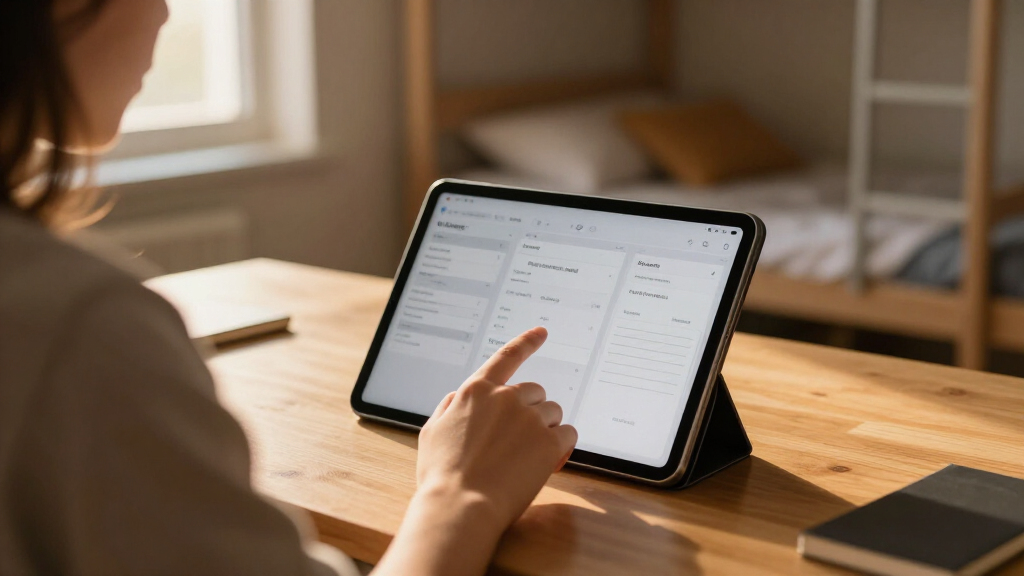
The honest tradeoff in this category is focus against automation. A pure paper planner keeps phones out of homework time and works in classrooms where devices are banned, which describes most middle and high schools. An app-connected planner asks the student to maintain a sync habit, but pays that effort back by turning handwritten tasks into reminders, study plans, and calendar entries. Many families land on a hybrid routine: paper captures assignments during the school day, and a short weekly session moves everything into an app. If the student is easily distracted, buy paper and keep it that way. If the student juggles AP courses, sports, and a part-time job, the app-connected pick earns its premium within a month.
Layout Decides Whether the Habit Sticks
Planners fail when students stop writing in them, and layout is usually why. Subject-box layouts suit students with six or more classes, because each course gets its own space and nothing disappears into a shared list. Matrix layouts map periods against days, which fits block scheduling and rotating timetables common in middle and high school. Elementary students need the opposite: one simple column with big checkboxes and reading logs, not a grid built for a teenager. The most common buying mistake is choosing a cover over a layout — the aesthetic checkered designs on this list are perfectly fine, but only if the grid inside matches the student’s timetable. Always look at a sample week page before you buy.
Size, Binding, and the Backpack Test
An 8.5 x 11 inch planner gives full writing room and slides in next to textbooks, but it is heavy and gets left in lockers. A 6.5 x 8.3 inch planner disappears into a bag and actually gets carried, at the cost of cramped lines for long assignments. Binding changes daily life more than buyers expect: twin-wire folds flat so left-handed students can write to the margin, spiral lies open on a desk, and a 3-hole punched planner lives inside the binder the student already carries — the single best defense against the planner going missing in October. Match the format to how the student moves through the school day, not to how the planner looks on a desk at home.
Five Mistakes Buyers Keep Making
The first is buying the two AI guidebooks for a student — they are written for teachers and plan nothing. The second is paying for stickers and bookmarks while ignoring whether the weekly grid fits the student’s timetable. The third is missing the start month: some planners on this list run May 2026 through June 2027, others July through June, and the wrong range wastes pages or leaves gaps. The fourth is sizing up to a large 11 x 8.3 inch format for a student with a small bag, then wondering why it never leaves the house. The fifth is assuming ‘AI-powered’ means built-in software, when nearly every entry here is paper that pairs with AI rather than contains it. Avoid those five, and the remaining choice is mostly grade level and layout taste.
Frequently Asked Questions
Do any planners on this list have actual built-in AI?
Only one comes close. The Excello Brands planner with Rocketplanner integration links its paper pages to a companion app, so handwritten schedules become digital tasks that can sync with calendars and reminders. Every other entry is a paper planner with no software inside — the AI-powered label describes how well the layout feeds external tools, not what ships in the binding. If you want genuine built-in intelligence, like automatic rescheduling or task breakdowns, a dedicated planner app on a tablet will serve you better than anything on this list. What this list does well is identify which paper planners make the handoff to those AI tools painless.
How do I use a paper planner together with AI study tools?
Set up a short weekly routine rather than a daily chore. On Sunday evening, photograph the coming week’s pages and paste the images into an AI chat tool, then ask it to build a study plan around due dates, spaced review, and existing commitments. Planners with clean subject boxes work best here because the scans stay legible; cluttered decorative pages confuse image parsing. You can also dictate the week’s assignments by voice if scanning feels slow. The planner remains the capture tool during school hours, when phones are usually banned, and the AI handles the scheduling math at home. Ten minutes a week is enough for most students.
Should I buy the AI educator books on this list for my student?
No. The AI-Powered Classroom and The Power of AI for Educators are written for teachers — they cover lesson design, grading workload, and classroom policy, not student scheduling. A student will get no planning value from either one, and they rank last on this list for exactly that reason. They appear here only because search results for this category mix them in, and buyers regularly confuse them with student products. If you are a teacher, or a parent who homeschools, both are reasonable purchases in their own right. For a student who needs to track homework, put that money toward the planner itself.
What size planner works best for a middle schooler?
For most middle school students, an 8.5 x 11 inch planner with a 3-hole punch is the safest choice, because it lives inside the binder they already carry and is far harder to lose. Handwriting is still large at that age, so the bigger weekly boxes actually get used instead of abandoned. A compact 6.5 x 8.3 inch planner works if the student walks home with a heavy bag, but expect cramped writing by Thursday each week. Whatever size you pick, prioritize a layout with per-subject space — middle school is the first time most students juggle six or seven teachers, and a single shared list falls apart fast. At this age, loss-proofing beats features.
My school year starts in August — which date range should I buy?
A July 2026 to June 2027 planner covers an August start with room for orientation week, and most entries on this list use that range. One pick runs May 2026 through June 2027, which adds two summer months — useful for summer school or camp schedules, dead paper otherwise. The real mistake is buying a calendar-year planner that starts in January, since that splits the school year across two books. Check the listed months before checkout, because cover designs rarely make the range obvious. If you are shopping mid-year, look for the longest remaining run of months rather than paying for weeks that have already passed.
Conclusion
Here is how the decision closes. The best overall pick is the Excello Brands planner with Rocketplanner integration — the only option that genuinely earns the AI-powered label, and also the priciest route here, which makes it the de facto premium choice for students already using digital study tools. The best value is the SUNEE Middle/High School Planner, which undercuts most rivals on price without giving up the layout quality that matters. For beginners who have never kept a planner, the customizable subject-box planner is the gentlest starting point, since the labeled boxes tell a student exactly what to write where. Specific needs map cleanly too: binder-dependent students should take the SKYDUE 3-hole punched planner, elementary kids need the simple checklists of the Global Datebooks Elementary planner, block-schedule teenagers are better served by the large-format 11 x 8.3 inch twin-wire option, and the two AI guidebooks belong to teachers alone. Pick the role that matches the student, and the ranking does the rest.