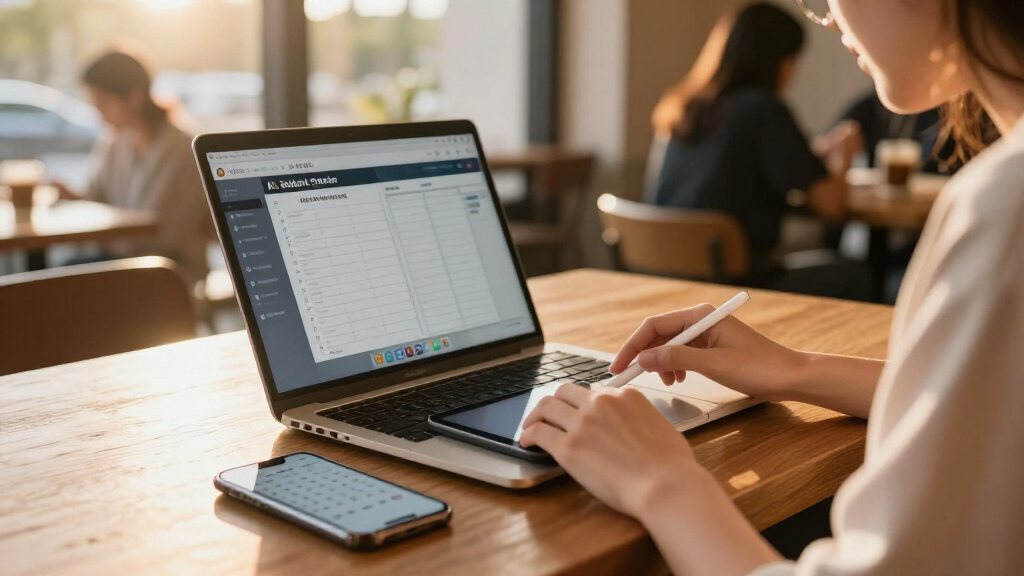

AI-powered student planners pair the tactile reliability of paper with app features like smart reminders, task scanning, and digital sync, and the category splits into two camps: planners built around a companion app, and traditional academic planners that AI tools can augment. The Excello Brands App-Enabled Academic Year Planner stands out as the clearest app-integrated option, thanks to its RocketPlanner pairing and premium 100gsm paper. Among analog picks, the Global Datebooks 7 x 8.5 inch student planner offers strong dated layouts with study resources at a friendlier price, while the Lamare Undated Weekly College Planner suits students who want flexibility without a fixed academic calendar. The main tradeoff is between true app integration and pure paper simplicity — and size, durability, and grade-level fit narrow the field further. Read on for the full breakdown of all 14 options.

Get business pricing on tech for your team
- Business-only prices and quantity discounts
- Tax-exempt purchasing
- Multiple users, one account, clear invoices
Key Takeaways
- Only one planner in this lineup — the Excello Brands 15-month planner with the RocketPlanner app — offers genuine AI/app integration; the other 13 are analog planners that work best when paired separately with a study app or AI assistant.
- Global Datebooks dominates the roundup with six entries, but the differences between its elementary, middle/high school, and 7×9 formats matter more than the brand name — matching the planner to grade level is the single biggest decision factor.
- 100gsm paper (found in the Excello pick) resists ink bleed from markers and gel pens, while the thinner stock in budget planners like the 5×8 black weekly/monthly option limits writing tool choices.
- Undated planners like the Lamare cost more per use if you abandon them, but they avoid the mid-year waste of dated planners — a real consideration for transfer students and uneven semester schedules.
- Compact 5×8 to 5.8×8.5 formats fit in small binders and backpacks but sacrifice writing space; the 8.5×11 and 11×8.3 layouts are better for students juggling 6-8 subjects with detailed assignments.


| AI-powered student planner | Size | Binding | Coverage | Format |
|---|---|---|---|---|
| Excello Brands App-Enabled Aca | — | — | — | Dated academic weekly layout |
| Lamare Academic Planner 2026-2 | — | — | — | Undated weekly |
| Aesthetic 2027 Student Planner | 8.5 x 6.1 inches | Spiral | 2026-2027 academic year | — |
| Global Datebooks 2026-2027 Ele | 8.5 x 11 inches | Spiral | August 2026 – June 2027 | Dated weekly & monthly matrix layout |
| Global Datebooks 2026-2027 Stu | 5.5 x 8.5 inches | Spiral | August 2026 – June 2027 | Dated weekly & monthly |
| Blue Sky 2026-2027 Monthly Aca | 8.5" x 11" | — | July 2026 – June 2027 | Hole punched for binders |
| Student Planner 2026-2027 | 5.8" x 8.5" | Spiral | July 2026 – June 2027 | — |
| Academic Planner 2026-2027 | 5" x 8" | Gold twin-wire | July 2026 – June 2027 | — |
| Global Datebooks 2026-2027 Ele | 8.5" x 11" | Spiral | August 2026 – June 2027 | — |
| Small Student Agenda for Middl | 5.5" x 8.5" | Spiral, lays flat | — | — |
| Global Datebooks 2026-2027 Stu | 8.5" x 11" | Spiral | August 2026 – June 2027 | Dated Weekly & Monthly |
| Global Datebooks 2026-2027 Ele | 8.5" x 11" | Spiral | — | Dated Weekly & Monthly |
| Student Planner 2026-2027 | 11" x 8.3" | Golden twin-wire | 12 months, weekly and monthly pages | — |
| Global Datebooks 2026-2027 Stu | 7 x 9 inches | Spiral | — | Dated Weekly & Monthly |
More Details on Our Top Picks
Excello Brands App-Enabled Academic Year Planner (May 2026 – June 2027), 15 Months, Powered by RocketPlanner App
This is the only planner in the lineup that genuinely earns the AI-powered label. While the Lamare Academic Planner relies purely on analog trackers, the Excello pairs its roomy 8.5 x 11 pages with the RocketPlanner app, which scans handwriting and pushes events into Google, Outlook, or Apple Calendar. For a student juggling paper notes and digital deadlines, that bridge is the difference between a planner that gets abandoned by October and one that stays useful all year. The 15-month coverage also outlasts the 10-month Global Datebooks options, which end in June 2027. The tradeoff: without a smartphone and a working app, you’ve paid a premium for an ordinary paper planner.
Pros:- AI-assisted scanning converts handwritten entries into digital calendar events
- Syncs with Google, Outlook, and Apple Calendar
- 15-month coverage spans the full academic year plus summer
- Full-size 8.5 x 11 pages with premium 100gsm paper for detailed planning
Cons:- Full functionality depends on app compatibility and ongoing updates
- More expensive than purely analog planners like the Global Datebooks line
- Requires a smartphone camera for the digital features to matter
Best for: High school and college students who plan on paper but live in digital calendars and want the two systems to sync
Not ideal for: Students without a reliable smartphone or those who want a low-tech, app-free planner — most features stay locked behind the RocketPlanner app
- Duration:May 2026 – June 2027 (15 months)
- Page Size:8.5 x 11 inches
- Paper Weight:100gsm
- App Integration:RocketPlanner app with AI-assisted scanning
- Calendar Sync:Google, Outlook, Apple Calendar
- Format:Dated academic weekly layout
Our verdict“The clear pick for students who want handwriting and digital calendars to work together instead of competing.”
Lamare Academic Planner 2026-2027 – Undated Weekly College Student Planner
Where the Global Datebooks 2026-2027 planners lock you into an August start, the Lamare’s undated format means a semester that begins in January — or a mid-year transfer — doesn’t waste a single page. That flexibility is why it stands out for college students specifically: it’s built around deadline tracking, grade logs, and habit trackers, the self-management tools a nursing or engineering student actually needs, rather than the sticker-and-ruler extras aimed at younger kids. Compared with the Excello app-enabled planner, it offers zero digital integration, so everything lives on paper. Buyers should also note the vague specs — no stated page count or dimensions — which makes it harder to judge value against dated competitors before it arrives.
Pros:- Undated pages let you start any time without wasting months
- Habit trackers, grade logs, and progress check-ins built for self-directed students
- Durable hardcover with two bookmarks and an elastic band
- Works for college, middle school, and nursing programs
Cons:- No page count or dimensions published, making value hard to compare
- Undated format means manual date entry every week
- No app or digital component unlike the Excello planner
Best for: College and nursing students with non-standard start dates who want grade tracking and habit-building tools in one book
Not ideal for: Students who want digital sync or a fixed calendar grid — the undated layout requires filling in every date yourself
- Format:Undated weekly
- Academic Years:2026-2027
- Cover:Durable hardcover
- Extras:Two bookmarks, elastic band, habit trackers, grade logs
- Suitable For:College, middle school, nursing students
- Digital Integration:None
Our verdict“The best fit for college students whose semesters don’t align with a standard August-to-June planner.”
Aesthetic 2027 Student Planner for Middle and High School Students
Let’s be honest: plenty of planners fail because a teenager won’t carry them. This one attacks that problem directly with a trendy composition-book cover and sporty icons that feel like something a middle schooler chose, not something assigned. Compared with the Global Datebooks 5.5 x 8.5 planner, which covers similar ground in a plainer package, this option adds study tips and resource pages alongside the usual monthly and weekly layouts for homework and exams. At 8.5 x 6.1 inches it’s the most bag-friendly size in this batch. The compromise is depth — there are no habit trackers or grade logs like the Lamare, and the style-forward design will actively repel some students.
Pros:- Trendy, durable design students actually want to carry
- Compact 8.5 x 6.1 inch size fits easily in backpacks
- Built-in study tips and resource pages
- Covers goals, tasks, homework, and exam planning in one place
Cons:- Lacks advanced features like grade logs or habit trackers
- Aesthetic design won’t appeal to every student
- Limited to middle and high school use cases
Best for: Middle and high school students who care how their planner looks and need motivation to actually carry it
Not ideal for: Students who want detailed academic tools like grade logs — or anyone who finds the trendy composition-book design juvenile
- Size:8.5 x 6.1 inches
- Coverage:2026-2027 academic year
- Cover:Robust composition book style with sporty icons
- Binding:Spiral
- Layouts:Monthly and weekly goals, tasks, lessons, homework, exams
- Extras:Notes sections, study tips, calendar pages
Our verdict“The planner to buy when the battle is getting your student to use it at all.”
Global Datebooks 2026-2027 Elementary Student Planner 8.5″ x 11″
Younger kids need space to write big and reminders that planning can be fun, and this planner delivers both. The 8.5 x 11 matrix-style layout gives elementary students generous blocks for spelling lists and reading logs — the opposite philosophy of the compact Aesthetic 2027 planner, which trades writing room for portability. The included ruler bookmark, stickers, and study skills pages turn the routine of writing down homework into something a second or fourth grader will actually do. Compared with the smaller Global Datebooks 5.5 x 8.5 version, this full-size edition suits kids whose handwriting is still growing. The flip side: it’s a desk-and-backpack book, not one that slips into a pocket, and the design skews young.
Pros:- Large 8.5 x 11 matrix layout with plenty of room for young handwriting
- Ruler bookmark, stickers, and study skills pages add engagement
- Dated August 2026 – June 2027 coverage matches the school calendar
- Sturdy spiral binding with a colorful cover
Cons:- Full-size format is too bulky for small backpacks or travel
- Design and resources aimed squarely at younger kids
Best for: Elementary students (roughly grades 2-5) who need large writing spaces and fun extras to build planning habits
Not ideal for: Older students — the large size, young design, and elementary-level study pages will feel babyish by middle school
- Format:Dated weekly & monthly matrix layout
- Coverage:August 2026 – June 2027
- Size:8.5 x 11 inches
- Binding:Spiral
- Includes:Ruler/bookmark, planning stickers, study skills pages
- Grade Level:Elementary
Our verdict“The most age-appropriate choice in the lineup for building planning habits early.”
Global Datebooks 2026-2027 Student Planner, 5.5 x 8.5 inches, Dated Weekly & Monthly with Ruler, Stickers, and Study Resources
This is the practical middle ground of the roundup. It carries the same ruler, stickers, and study resource pages as the elementary Global Datebooks 8.5 x 11 planner but shrinks everything into a 5.5 x 8.5 format that fits a locker or backpack side pocket — sized for middle and high schoolers instead of little kids. The dated August-to-June weekly and monthly layouts mean zero setup work, unlike the undated Lamare, which suits students who won’t reliably fill in dates. What you give up is sophistication: there’s no app integration like the Excello RocketPlanner, no habit trackers, and the binding is standard spiral rather than a durable hardcover. For a straightforward, no-frills school-year planner, the price-to-function ratio is hard to beat.
Pros:- Spacious block-style weekly and monthly layouts for easy note-taking
- Bonus ruler, stickers, and study resource pages included
- Compact 5.5 x 8.5 size is genuinely backpack-portable
- Dated format means no manual setup — usable from day one
Cons:- Limited to the 2026-2027 academic year only
- Still too large for pocket or jacket carry
- No digital features or advanced tracking tools
Best for: Middle and high school students who need a dependable dated planner for one school year at a budget-friendly price
Not ideal for: Students who want digital sync, grade tracking, or multi-year use — this is a single academic year, paper-only tool
- Size:5.5 x 8.5 inches
- Format:Dated weekly & monthly
- Coverage:August 2026 – June 2027
- Binding:Spiral
- Includes:Ruler, stickers, study resource pages
- Grade Level:Middle and high school
Our verdict“A dependable, fairly priced pick for students who just need this school year organized without extras.”
Blue Sky 2026-2027 Monthly Academic Planner, 8.5″x11″, Swiss Dot Blush
In a roundup full of AI-driven tools, this Blue Sky planner makes the case for pure simplicity. There is no app to sync, no subscription to manage, and no learning curve — which is exactly the point. Where the Excello Brands App-Enabled Planner asks you to pair paper with software, this one keeps everything analog with monthly and yearly layouts plus holiday references. Compared with the Global Datebooks Elementary Planner, it skews toward older students and working adults who plan by month rather than by class period. The tradeoff is real: no monthly view means less day-to-day assignment detail, and the 8.5″x11″ size trades portability for writing room. This pick makes the most sense for buyers who want a dependable, zero-friction wall-or-desk planner and don’t care about smart features at all.
Pros:- Durable coated cover holds up to a full year of daily handling
- Monthly and yearly overviews with holidays built in
- Hole punched for binder or filing integration
- No setup required — usable the moment it arrives
Cons:- No weekly or daily layouts, so detailed assignment tracking is cramped
- Full-size format is awkward to carry in a small bag
- Zero connectivity means it can’t back up, remind, or sync anything
Best for: College students and teachers who plan by month, want zero tech friction, and work mostly at a desk
Not ideal for: Students who need daily assignment tracking or any digital/AI assistance — this is a monthly-view paper planner only
- Size:8.5″ x 11″
- Coverage:July 2026 – June 2027
- Layouts:Monthly and yearly
- Cover:Coated paper, Swiss Dot Blush design
- Extras:Holidays, notes sections, contacts pages
- Format:Hole punched for binders
Our verdict“Choose this if you want a sturdy, no-nonsense monthly planner and have decided the AI features elsewhere in this roundup aren’t for you.”
Student Planner 2026-2027, 5.8″ x 8.5″ Academic Planner, July 2026 – June 2027
What separates this planner from the pack is its built-in study skills and goal-setting pages — content most competitors leave out. The Blue Sky Monthly Planner gives you layouts; this one tries to teach you how to use them, with test-prep sections aimed squarely at middle and high schoolers. The water-resistant flexible cover is a genuine advantage over the paper-covered options here, surviving the bottom of a backpack far better than most. Against the Small Student Agenda, it trades the hall-pass gimmicks for skill-building content, which most parents will consider the better deal. The compromise: at 5.8″ x 8.5″, weekly boxes fill up fast for students with heavy workloads, and there’s no digital component to speak of — a real gap next to app-enabled picks in this guide.
Pros:- Study skills, goal setting, and test prep pages add real instructional value
- Water-resistant cover handles backpack abuse
- Both monthly and weekly views for the full academic year
- Compact enough to carry every day
Cons:- Small page size limits room for detailed daily notes
- Study content is pitched at middle/high schoolers only
- No companion app or digital backup
Best for: Middle and high school students building planning habits for the first time who benefit from guided study pages
Not ideal for: College students with dense schedules — the compact weekly boxes overflow quickly, and the study-skills content will feel juvenile
- Size:5.8″ x 8.5″
- Coverage:July 2026 – June 2027
- Layouts:Monthly and weekly
- Extras:Study skills, goal setting, test prep pages
- Cover:Water-resistant, flexible
- Binding:Spiral
Our verdict“The best choice for a teenager who needs a planner that coaches them, not just one that holds dates.”
Academic Planner 2026-2027, July 2026-June 2027 Weekly and Monthly Planner Calendar, 5″ x 8″, Black
This is the pick if physical durability matters more to you than features. The gold twin-wire binding and thick unbleached paper put it a notch above the flimsier spiral options here — pages won’t tear out by November, and ink won’t bleed through. Its priority sections are a smarter organizational touch than the plain grids in the Small Student Agenda, helping users triage tasks instead of just listing them. Compared with the 5.8″ x 8.5″ Study-Skills Planner, it drops the instructional pages in favor of cleaner, more adult-oriented layouts, making it the better fit for teachers and college students. The honest drawback: at 5″ x 8″, it’s the tightest writing space in this batch, and anyone with a heavy course load will feel squeezed.
Pros:- Thick book-grade paper resists bleed-through and tearing
- Priority sections encourage task triage, not just listing
- Sturdy twin-wire binding survives a year of daily open-close cycles
- Slim profile slips into any bag or jacket pocket
Cons:- Smallest page area in this lineup — limited writing room
- Plain black design and sparse extras offer little for younger students
- Dated for one academic year only
Best for: Students and teachers who prioritize a durable, professional-looking planner they’ll carry for a full year
Not ideal for: Detailed planners — the 5″ x 8″ pages run out of space fast for dense weekly schedules
- Size:5″ x 8″
- Coverage:July 2026 – June 2027
- Layouts:12 months of weekly and monthly pages
- Paper:Book-grade, thick, unbleached
- Binding:Gold twin-wire
- Extras:Reference calendars, contact pages, note pages, priority sections
Our verdict“A buy-it-once-a-year workhorse for people who value construction over bells and whistles.”
Global Datebooks 2026-2027 Elementary Student Planner 8.5″ x 11″ – Dated Weekly & Monthly Academic Planner with Ruler/Bookmark & Stickers
For elementary schoolers, motivation matters as much as organization — and this planner understands that better than anything else in this guide. The sticker sheets and colorful design turn planning into an activity rather than a chore, something the adult-oriented Black 5″ x 8″ Academic Planner can’t offer. Its large matrix-style weekly pages give young hands plenty of room to write big and messy, where the compact Small Student Agenda would frustrate them. The included ruler-bookmark is a small but genuinely useful touch for keeping place and measuring homework. Note the August start date — unlike the July-starting options here, it aligns with a standard elementary calendar but skips summer planning entirely. Parents wanting digital tools should look elsewhere; this is proudly analog, and better for it.
Pros:- Full-size matrix pages accommodate large, developing handwriting
- Stickers and bright design keep young students engaged
- Ruler-bookmark doubles as a page keeper and school tool
- Study resource pages support early academic skills
Cons:- Too large and too juvenile for middle schoolers and up
- Starts in August, so summer scheduling isn’t covered
- No digital features whatsoever
Best for: Elementary school students (roughly grades 2-5) getting their first planner, especially those motivated by stickers and color
Not ideal for: Anyone older than elementary age — the design, content, and writing prompts will feel babyish, and there’s no portability
- Size:8.5″ x 11″
- Coverage:August 2026 – June 2027
- Layouts:Dated weekly and monthly matrix style
- Extras:Ruler-bookmark, stickers, study resource pages
- Binding:Spiral
- Cover:Colorful, student-friendly design
Our verdict“The clear winner for a first planner — just accept that your child will outgrow it within a couple of years.”
Small Student Agenda for Middle School and High School, 5.5 x 8.5 inches
This agenda wins on school-specific practicality. The daily hall passes and subject icons solve problems no generic planner addresses — a middle schooler who needs a pass in third period gets real utility from features that would be filler elsewhere. The spiral binding that lays flat matters more than it sounds, making quick hallway writing actually practical. Compared with the Study-Skills Planner, it’s more utilitarian: fewer coaching pages, more day-to-day function. Against the Black 5″ x 8″ Academic Planner, it trades premium paper for school-tuned features and a slightly roomier page. The honest limits: 52 weekly spreads with no frills means the design feels basic, and students who want goal tracking, study guidance, or any digital connection will need a different pick from this roundup.
Pros:- Daily hall passes and subject icons built for real school routines
- Lays completely flat for quick writing between classes
- Full year of weekly spreads plus 12 monthly calendars
- Compact size survives daily backpack life
Cons:- Bare-bones design with no study resources or goal tools
- Feature set is school-specific and useless after graduation
- No digital companion of any kind
Best for: Middle and high school students who need a rugged daily carry planner with school-specific features like hall passes
Not ideal for: Students or adults wanting richer content — no goal-setting pages, premium materials, or app integration
- Size:5.5″ x 8.5″
- Views:Monthly and weekly
- Weekly spreads:52
- Monthly calendars:12
- Special features:Daily hall passes, subject icons
- Binding:Spiral, lays flat
Our verdict“A pragmatic pick for students who live by the bell schedule and just need something that works every single day.”
Global Datebooks 2026-2027 Student Planner 8.5″ x 11″
For students who find app-connected planners like the Excello Brands App-Enabled Planner more distracting than helpful, this option makes a case for going fully analog with maximum writing space. The matrix-style weekly and monthly layouts give each subject its own lane, which matters for middle and high schoolers juggling six or seven classes — there is room to write actual assignments, not cryptic abbreviations. The included study resource pages go beyond what the simpler Student Planner 2026-2027 (11″ x 8.3″) offers, adding reference material students can actually use. The tradeoff is portability: at 8.5″ x 11″, this is a desk planner first, and it will dominate a backpack the way the Global Datebooks 7 x 9 version never will.
Pros:- Matrix layouts give every subject dedicated space
- Study resource pages add real academic value
- Ruler/bookmark and stickers included
- Spiral binding keeps pages secure through a full school year
Cons:- Full-letter size is awkward to carry daily
- Dated format is useless if the school year has already started late
Best for: Middle and high school students with heavy homework loads who plan at a desk and need per-subject space
Not ideal for: Students who carry a slim binder or small bag — the full-letter size is genuinely bulky for daily transport
- Size:8.5″ x 11″
- Format:Dated Weekly & Monthly
- Coverage:August 2026 – June 2027
- Layout:Matrix-style weekly and monthly
- Binding:Spiral
- Includes:Ruler/Bookmark, Stickers
- Extra Features:Study resource pages
Our verdict“This pick makes the most sense for students who need the most writing room per class and plan primarily at a desk rather than on the go.”
Global Datebooks 2026-2027 Elementary Student Planner 8.5″ x 11″ – Dated Weekly & Monthly Academic Planner with Ruler/Bookmark & Stickers
Most planners in this roundup are built for teens, which is exactly why this one earns its spot: it is one of the few options scaled to how younger kids actually plan. The large block format works for big, messy handwriting, and the study skills resource pages teach habits rather than assuming they already exist — something the more adult-styled Blue Sky Monthly Academic Planner never attempts. Stickers and a ruler/bookmark give kids a reason to open it daily, which is half the battle at this age. Compared with the standard Global Datebooks 8.5″ x 11″ Student Planner, this version trades the dense matrix layout for simpler blocks better suited to a fourth grader’s three subjects and a spelling list.
Pros:- Large blocks accommodate developing handwriting
- Study skills pages teach organization rather than just providing it
- Stickers make daily use fun for young kids
- Dated format removes setup decisions for beginners
Cons:- Narrowly limited to elementary-age users
- Full 8.5″ x 11″ size is oversized for small backpacks
- Design leans heavily toward visual learners
Best for: Parents of elementary students building first planning habits with supervision
Not ideal for: Anyone above elementary age — the layout and design will feel babyish to middle schoolers, and there is not enough structure for a full secondary course load
- Size:8.5″ x 11″
- Format:Dated Weekly & Monthly
- Date Range:August 2026 – June 2027
- Layout:Large block format
- Binding:Spiral
- Includes:Ruler/Bookmark, Stickers
- Extra Features:Study skills resource pages
Our verdict“This is the pick for parents who want a true starter planner for a young child — everyone older should look at the middle/high school versions instead.”
Student Planner 2026-2027 – Academic Planner 11″ x 8.3″
Where the Global Datebooks entries emphasize structure and study resources, this planner bets on motivation as the retention mechanism — motivational quotes, notes sections, and holiday reminders give students a daily reason to open the book beyond raw obligation. The golden twin-wire binding is a genuine step up in build quality, laying flatter than standard spiral coils and looking better doing it. At 11″ x 8.3″ in landscape orientation, it offers similar usable space to the Global Datebooks 8.5″ x 11″ but reads more like a notebook than a grid system, which suits students who prefer freeform planning over rigid matrix layouts. The cost of that simplicity: no study resources, no ruler bookmark, and absolutely no digital companion — students wanting app pairing should look at the Excello Brands App-Enabled Planner.
Pros:- Motivational quotes and notes sections encourage daily engagement
- Twin-wire binding lays flat and feels premium
- Clean white paper is pleasant to write on
- Works for a wide range of grade levels
Cons:- No study resources or classroom accessories included
- Freeform layout lacks subject-specific structure
- No digital features at any price point
Best for: Students who respond to encouragement and aesthetics and prefer flexible layouts over rigid grids
Not ideal for: Students with many subjects who need per-class structure — the layout is too freeform for tracking seven courses
- Size:11″ x 8.3″
- Coverage:12 months, weekly and monthly pages
- Date Range:Academic year 2026-2027
- Binding:Golden twin-wire
- Paper:White high-quality paper
- Extras:Motivational quotes, notes sections, holiday reminders, stickers
Our verdict“A strong choice for the student whose biggest obstacle is motivation rather than organization — skip it if structure is what you need.”
Global Datebooks 2026-2027 Student Planner, 7 x 9 inches, Dated Weekly & Monthly Academic Planner with Ruler, Bookmark & Stickers
This is the compromise the Global Datebooks lineup needed: the same study resources and accessories as the 8.5″ x 11″ version, shrunk into a 7 x 9 format that actually fits a backpack without monopolizing it. Against the even smaller Global Datebooks 5.5 x 8.5 planner, this one trades pocketability for legible writing space — the blocks are still comfortable for detailed assignments, where the smaller size forces cramped shorthand. The colorful cover and durable spiral binding hold up to daily locker-and-backpack abuse better than the plainer Black 5″ x 8″ Academic Planner elsewhere in this roundup. The honest tradeoff is dated inflexibility: like every Global Datebooks entry, it is locked to August 2026 through June 2027, so a mid-year switch or semester system wastes pages.
Pros:- 7 x 9 size balances portability with usable writing space
- Study skills resources included despite the smaller footprint
- Colorful, durable cover survives daily transport
- Ruler, bookmark, and stickers add value at no extra cost
Cons:- Strictly limited to the 2026-2027 academic year
- Still larger than true pocket-size planners
- Whimsical cover design may not appeal to older or minimalist students
Best for: Middle and high school students who carry their planner everywhere and want Global Datebooks features in a carry-friendly size
Not ideal for: Students on non-standard academic calendars or who want a planner usable across multiple years — the dated format locks you in
- Size:7 x 9 inches
- Date Range:August 2026 – June 2027
- Format:Dated Weekly & Monthly
- Binding:Spiral
- Includes:Ruler, Bookmark, Stickers
- Cover:Colorful, durable cover
- Extra Features:Study skills resources
Our verdict“The best middle ground for secondary students who need the full Global Datebooks toolkit in a size they will actually bring to class.”
How We Picked
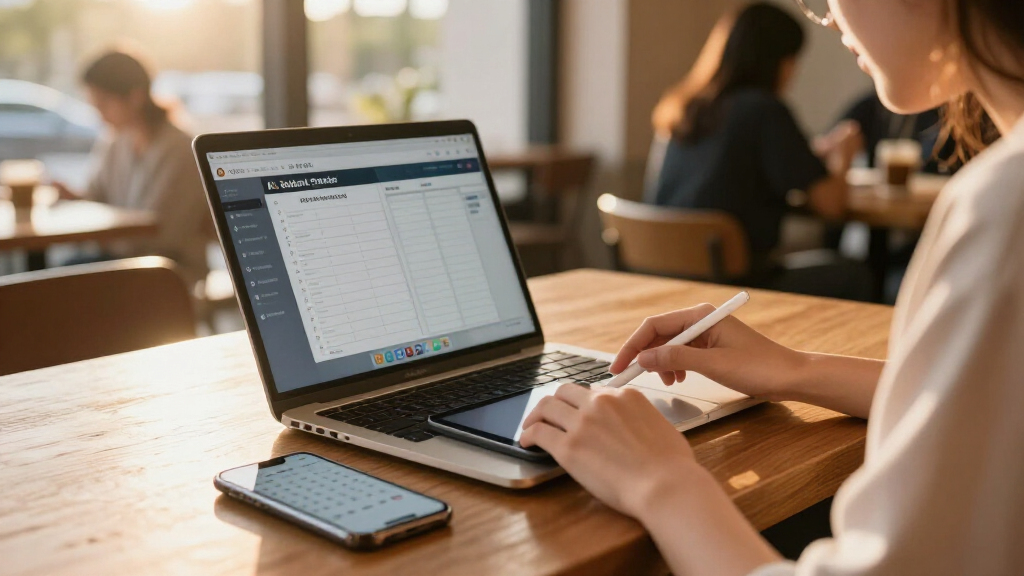
I evaluated these 14 planners against the criteria that actually shape a student’s daily experience: layout clarity (whether weekly and monthly views work together without crowding), paper quality (weight, bleed resistance, and durability over a 10-month school year), app integration or compatibility (how well each planner supports AI-assisted scheduling, photo-to-task capture, and reminder syncing), and grade-level fit (a planner that works for a fourth grader will frustrate a college sophomore). I also weighed value per academic year, including whether dated pages get wasted and whether extras like rulers, bookmarks, stickers, and study resources justify a higher price.
The ranking logic is straightforward: the Excello planner earns the top spot because it is the only option purpose-built for the AI-powered use case this roundup is about, with a dedicated companion app and premium paper. From there, I ordered the analog picks by how well their layout, size, and included study tools serve specific student types — Global Datebooks’ multiple formats rank highly for structured K-12 use, the Lamare undated model serves college students with irregular schedules, and the budget compacts fill in for students who prioritize portability over writing space. Every pick has real drawbacks noted, because no planner in this price range does everything well.
| AI-powered student planner | Format | Binding |
|---|---|---|
| Excello Brands App-Enabled Aca | Dated academic weekly layout | — |
| Lamare Academic Planner 2026-2 | Undated weekly | — |
| Aesthetic 2027 Student Planner | — | Spiral |
| Global Datebooks 2026-2027 Ele | Dated weekly & monthly matrix layout | Spiral |
| Global Datebooks 2026-2027 Stu | Dated weekly & monthly | Spiral |
| Blue Sky 2026-2027 Monthly Aca | Hole punched for binders | — |
| Student Planner 2026-2027 | — | Spiral |
| Academic Planner 2026-2027 | — | Gold twin-wire |
| Global Datebooks 2026-2027 Ele | — | Spiral |
| Small Student Agenda for Middl | — | Spiral, lays flat |
| Global Datebooks 2026-2027 Stu | Dated Weekly & Monthly | Spiral |
| Global Datebooks 2026-2027 Ele | Dated Weekly & Monthly | Spiral |
| Student Planner 2026-2027 | — | Golden twin-wire |
| Global Datebooks 2026-2027 Stu | Dated Weekly & Monthly | Spiral |
Factors to Consider When Choosing AI-powered Student Planners
Choosing among these 14 planners comes down to a handful of decisions that have nothing to do with cover design. Before you buy, think through these six factors — they explain most of the price and usability differences across this lineup.
Real App Integration vs. App-Compatible
The biggest trap in this category is assuming every planner marked “smart” connects to an app. In this roundup, only the Excello Brands planner with RocketPlanner has a purpose-built companion app; everything else is a paper planner you can photograph or manually enter into a separate AI tool like a calendar app or chatbot assistant. That distinction matters for workflow. A true app pairing means reminders fire automatically and assignments sync to your phone, while an app-compatible setup requires you to maintain both systems yourself — which most students abandon by October. If AI-driven reminders are the whole reason you’re shopping here, either pay up for the integrated option or commit to a simple weekly photo-and-transcribe routine with a free app. Don’t pay a premium for a paper planner just because the listing mentions digital features loosely.
Dated vs. Undated Pages
Dated academic planners (July 2026 through June 2027) are pre-structured, which reduces friction — you never have to write dates, and weekly layouts are guaranteed to align with the school calendar. The tradeoff is wasted pages and a fixed start point: buy a dated planner in November and a third of it is already useless. Undated options like the Lamare college planner let you start any time and skip weeks off, but they demand more discipline, because blank pages make it easy to quietly stop planning altogether. My general guidance: students under 15 do better with dated formats because the structure does the thinking for them, while college students with irregular term dates get more value from undated. Also check whether the dated planner runs a full 15 months (like the Excello) or a standard 12 — the extra summer months cover internships and summer sessions.
Paper Weight and Writing Tools
Paper thickness, measured in gsm, determines whether your planner survives your own pens. The 100gsm paper in the Excello handles gel pens, markers, and highlighters without bleed-through, which matters for students who color-code subjects. Most mid-priced academic planners use 70-80gsm stock, which works fine with ballpoint and pencil but ghosts with heavy ink — a problem when you write on both sides of every page, as weekly layouts require. Cheaper compacts can drop below that, restricting you to pencil effectively. If your student uses erasable pens or fineliners, treat paper weight as a hard filter, not a nice-to-have. A good test rule: if the pen matters more than the planner, buy the thicker paper.
Size and Portability Tradeoffs
This lineup spans from 5×8 inches up to 11×8.3, and the size choice shapes daily behavior more than buyers expect. Compact planners (5-8.5 to 5.8-8.5 inches) actually get carried to every class — a planner left in a locker is worthless — but their subject boxes are cramped for students with six or seven courses. The 8.5×11 formats give room for detailed assignment notes, project steps, and teacher comments, which is why elementary and middle school planners cluster there, but they need a dedicated backpack slot. The larger 11×8.3 landscape layout suits students who plan at a desk rather than on the move. Match the size to where planning actually happens: hallway and classroom scribbles favor small formats; nightly desk reviews favor big ones.
Grade-Level Features and Study Extras
Several Global Datebooks entries include ruler bookmarks, stickers, and built-in study resources like reference pages, and these extras are not equally valuable at every grade. Elementary students genuinely benefit from stickers and parent-teacher communication spaces; high schoolers ignore them. Study resource pages (multiplication tables, periodic tables, citation guides) get used heavily in middle school and rarely after. When comparing near-identical planners from the same brand, the extras are often the only difference — don’t pay more for features two grade levels away from your student. Conversely, a college student should prioritize a planner with ample note space and monthly overview pages over any K-12 study aids, which explains why the Lamare undated model ranks higher for that audience despite having fewer included extras.
Common Buying Mistakes to Avoid
Three mistakes show up repeatedly with student planners. First, buying for January: most of these are dated academic-year planners, so purchasing off-season wastes months of pages — time your purchase for summer. Second, assuming one planner fits siblings: the difference between the elementary and middle/high Global Datebooks formats is real, and handing a fifth grader a college-style planner guarantees abandonment. Third, overestimating app commitment: the majority of students who plan to digitize everything end up using paper alone, so the paper layout must stand on its own merits. A final one specific to this category — mistaking QR codes or a website link for “AI-powered.” A genuine AI feature changes your workflow (auto-scheduling, smart reminders); a QR code is just a shortcut. Buy based on what the planner does on its own, and treat any digital layer as a bonus.
Frequently Asked Questions
Do I need a planner with a real app, or can I make any planner AI-powered?
You can absolutely make any paper planner work with AI tools — photographing a weekly spread and asking a chatbot to build a study schedule takes about two minutes. The difference is consistency. A purpose-built pairing like the Excello and RocketPlanner app keeps reminders and deadlines in sync automatically, so the system survives busy weeks. With a DIY approach, the moment you stop doing the manual transfer, the AI side goes stale and you’re back to paper-only. My suggestion: if the student has a strong routine already, any of the analog picks plus a free calendar app works well. If organization is a known weakness, the integrated option earns its higher price because it removes the step most students skip.
Why are there so many Global Datebooks planners on this list, and which one should I pick?
Global Datebooks appears six times because the brand genuinely dominates the dated academic planner space, and each version targets a different student. The elementary editions (items 4, 9, and 12) include age-appropriate study resources, larger writing boxes, and parent-teacher features — pick whichever is cheapest at purchase time, since the core layout is nearly identical. The 7×9 and 8.5×11 standard student versions serve middle and high schoolers, with the 7×9 hitting a sweet spot between portability and writing room. The 5.5×8.5 compact version trades study resources for backpack-friendliness. So the brand isn’t the decision — grade level and carry preference are. A fourth grader, a ninth grader, and a commuter student each want a different Global Datebooks model.
Is a 15-month planner worth it over a standard 12-month academic year?
It depends on what happens between June and September. A 15-month format starting in May (like the Excello) covers summer classes, internships, and early fall semester prep without needing a second planner, which is genuinely useful for college students and year-round programs. For K-12 students whose summers are unstructured, those extra months mostly sit blank — a standard July-to-June calendar is the better value. There’s also a continuity argument: students who keep light planning habits through summer transition back into the school year more smoothly than those who stop entirely. If your student uses summers productively, the extra months are a real feature. If not, don’t pay extra for them.
What paper quality do I actually need if my student uses gel pens or markers?
Gel pens, fineliners, and brush markers are the enemies of thin planner paper, and bleed-through ruins double-sided weekly layouts. Anything at or above 100gsm — like the Excello’s stock — handles most ink without show-through. Standard 70-80gsm paper, common in the Global Datebooks and budget compacts here, works fine with ballpoint pens and pencils but will ghost with heavy gel ink, especially where kids press hard or layer highlighter. If color-coding by subject is part of the plan, either buy the thicker paper or switch to erasable pens, which use less aggressive ink. A practical middle path: test one page with the student’s actual pens early in the year, and if it bleeds, relegate markers to the monthly overview pages where single-sided space matters less.
Should a middle schooler use an undated planner to make it last longer?
I’d advise against it for most middle schoolers. Undated planners save money only if the user fills in dates consistently, and that’s exactly the habit middle school students are still building. A dated weekly layout removes a small daily friction point, and structure itself is a feature at that age — the pre-printed week quietly signals what needs to be recorded. Undated formats like the Lamare shine for college students, transfer students, and anyone with gap terms, where a dated calendar creates waste instead of guidance. There’s also a motivational angle: dated pages create gentle urgency, while perpetually blank undated pages make it easy to rationalize skipping weeks. For a 11-to-14-year-old, pick the dated middle/high school format and save the undated experiment for later.
Conclusion
Matching the right planner to the right student matters more than any single feature here. Best overall goes to the Excello Brands App-Enabled Planner — it’s the only pick that delivers on the AI-powered promise directly, with the RocketPlanner app and 100gsm paper, making it the smart buy for students who genuinely want digital-plus-paper workflow. Best value belongs to the Global Datebooks 5.5×8.5 dated weekly and monthly planner, which packs a full academic year, ruler, stickers, and study resources into a low price. For college students and self-directed planners, the Lamare Undated Weekly Planner offers the flexibility that fixed academic calendars can’t. Best for younger students and beginners is the Global Datebooks Elementary 8.5×11 edition, whose larger boxes and built-in study aids teach planning habits rather than assuming them. Students who carry everything in a small backpack should look at the compact 5.8×8.5 or 5×8 weekly options, while desk-based planners who want maximum writing room get it from the 11×8.3 landscape format. Whichever direction you go, decide first whether app integration is a must or a bonus — that single answer eliminates half this list instantly.
Halloween Picks
halloween
As an affiliate, we earn on qualifying purchases.