Did you know that blockchain technology now allows you to trade, sell, or exchange your hotel stays as digital assets? This innovation lets you adapt your travel plans more freely, without penalties or restrictions. Imagine a secondary market where your booked nights can be bought or sold securely and transparently. Curious how this might reshape your vacation options and the hotel industry’s approach to ownership? There’s more to explore behind this emerging trend.
Key Takeaways
- Tokenized hotel nights are digital assets on blockchain, enabling trading and exchanging on secondary markets.
- They allow fractional ownership of hotel properties, providing investment opportunities and potential income streams.
- Blockchain ensures transparent, secure transactions and verifies ownership, reducing fraud and administrative costs.
- Trading hotel night tokens offers liquidity and flexibility, allowing users to resell or swap bookings easily.
- Smart contracts automate compliance, pricing, and ownership rules, facilitating seamless peer-to-peer vacation trading.

Tokenized hotel nights are transforming how you book and experience stays by turning each night into a digital asset on the blockchain. Instead of simply reserving a room, you hold a unique token representing a specific night’s stay, which you can trade, sell, or exchange on secondary markets. This system effectively fractionalizes hotel inventory, giving you more flexibility and control over your bookings. When you acquire a token, it serves as proof of your stay, linking online reviews and loyalty rewards directly to the verified experience. This transparency enhances trust, ensuring that your reviews and benefits are genuinely tied to actual nights spent at the hotel. Additionally, hotels gain the ability to set and maintain pricing floors and ceilings, even after the initial sale, providing more stability and control over revenue. This innovative use of blockchain technology is rooted in the long history of tokens as a means of representing assets and ownership. Ownership of hotel assets also shifts through tokenization. You can buy fractional shares of hotel properties via blockchain-based tokens, transforming your stays into investment opportunities. By owning a portion of a hotel, you become entitled to income distributions generated by its performance, making your vacation experience part of a broader investment portfolio. Tokenization lowers capital barriers, allowing everyday investors, not just large corporations or wealthy individuals, to participate in hotel ownership. Blockchain technology ensures real-time, transparent tracking of ownership, transactions, and revenue shares, reducing disputes and increasing confidence. This fractional ownership turns your hotel stays into tangible assets that could potentially yield returns, blending leisure with investment. The liquidity of tokens is another key benefit. You can trade hotel night tokens or ownership shares on compliant secondary markets, giving you the freedom to resell or exchange nights without hefty penalties. If your plans change, you’re no longer stuck with a non-refundable booking; instead, you can liquidate your token on the open market. Hotels benefit too, as they reduce reliance on traditional online travel agencies by enabling direct peer-to-peer trading of room-nights. Blockchain-enforced price controls help maintain consistent pricing across all transactions, protecting both consumers and hoteliers from unfair markups. Some trading platforms even incorporate staking or yield mechanisms, encouraging users to hold or circulate tokens for additional earnings. Security and transparency are fundamental to this system. Blockchain’s immutable records mean you can verify ownership, sales history, and income distribution at any time, removing ambiguity. Personal data and payments are encrypted, safeguarding your privacy. Smart contracts automate compliance and enforce rules around pricing, ownership, and usage, reducing fraud and administrative burdens. This decentralization and transparency foster greater trust among travelers and investors alike. For hotels, tokenization streamlines operations through ‘digital twins’ that automate routine tasks like maintenance and supplies. Smart contracts also facilitate seamless booking, check-in, and payments, cutting costs and administrative overhead. Moreover, the transparency provided by blockchain technology ensures all parties can access verified data, fostering a more trustworthy environment for transactions. Overall, tokenized hotel nights create a more dynamic, accessible, and efficient ecosystem for both travelers and industry stakeholders.

King Koil Luxury Queen Size Air Mattress with Built-in High-Speed Pump Best for Home, Camping, Guests, Queen Size Luxury Double Airbed Adjustable Blow Up Mattress, Waterproof, 1-Year Warranty
KING KOIL LUXURY air mattresses are the pinnacle of premium comfort and luxury, backed by a 1-year manufacturer's...
As an affiliate, we earn on qualifying purchases.
Conclusion
As you explore the world of tokenized hotel nights, you’ll notice how seamlessly your travel plans can change—sometimes just when you least expect it. This innovative system not only offers flexibility and transparency but also creates unexpected opportunities to trade or invest in vacations. It’s almost like the universe aligning your desires with new possibilities, turning every trip into a smarter, more adaptable experience. Embrace this revolution, and let your travels become as dynamic as life itself.
Amazon Product B0957S5ZC9
As an affiliate, we earn on qualifying purchases.

SleepLux Queen Air Mattress with Headboard | Supersoft Snugable Top, Extra Durable Tough Guard | Raised Airbed with Built in Pump + USB Charger (90"x60"x29") Grey
GET A GOOD NIGHT'S REST: SleepLux's luxury queen air mattress is designed to be the softest sleeping surface...
As an affiliate, we earn on qualifying purchases.
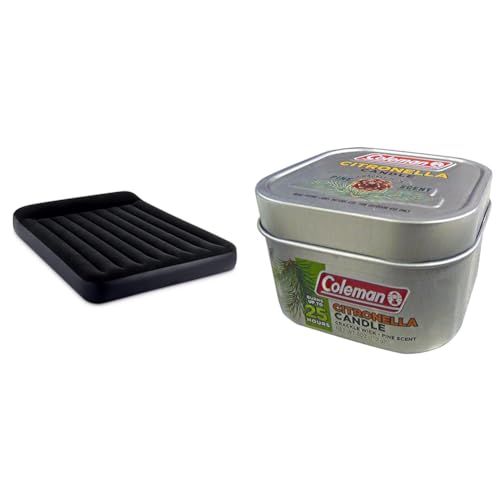
Intex 64149ED Dura-Beam Air Mattress Bundle with Coleman Pine Scented Citronella Candle - Queen Size Bed with Electric Pump, 600lb Capacity
FIBER-TECH BEAM CONSTRUCTION – Comprised of thousands of high-strength polyester fibers that provide enhanced comfort, stability and support;...
As an affiliate, we earn on qualifying purchases.