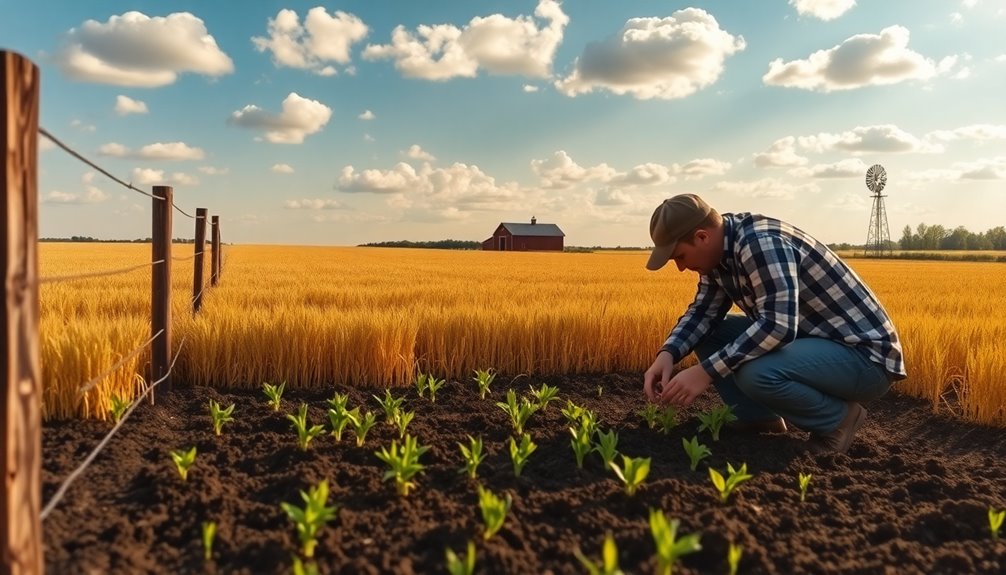

Yield in farming is vital for feeding our growing population and ensuring food security. It affects economic stability for farmers and plays a key role in sustainable agriculture. Environmental factors like temperature, sunlight, and water availability all impact your yields. Embracing precision farming technologies and improved crop varieties can significantly enhance productivity. Plus, adapting to climate change through resilient crops is becoming increasingly important. Keep exploring to discover strategies for maximizing your agricultural success.
Key Takeaways
- Maximizing yield is essential for meeting global food demands and ensuring food security for a growing population.
- Environmental factors like temperature, sunlight, and water availability significantly influence crop yields and require careful management.
- Precision farming technologies enhance productivity through efficient resource management and timely interventions based on real-time data.
- Improved crop varieties, including hybrids and genetically engineered options, offer greater resilience and higher yields against environmental stresses and pests.
- Adapting farming practices to climate change is crucial for sustaining agricultural productivity and ensuring long-term food security.

Yield in farming is crucial for feeding a growing population and ensuring food security. As a farmer, you know that various factors affect crop yield, and understanding these can help you make informed decisions.
Environmental conditions play a significant role. For instance, temperature extremes can stress your plants, leading to reduced pollination and growth. You'll want to keep an eye on the temperature range suitable for your crops to avoid detrimental effects.
Sunlight is another essential factor. It fuels photosynthesis, enabling plants to produce energy. Variations in daylight duration and intensity can disrupt crop cycles, so make sure your crops receive adequate sunlight.
Soil pollution is a hidden enemy; heavy metals and persistent organic pollutants can contaminate your soil, harming crops and reducing yields. Regular soil testing can help you identify and address these issues.
Water availability directly influences crop health. While plants need water, both drought and waterlogging can have severe impacts. Drought may cut yields by up to 50%, while excess water can reduce yields by 25% to 35% for crops like wheat and maize. You must monitor moisture levels consistently to keep your crops thriving.
To boost yields, consider adopting precision farming technologies. These tools empower you to monitor soil conditions closely, ensuring optimal health. Soil monitoring systems track moisture and nutrients, helping you make data-driven decisions. Additionally, selective fertilization based on specific field zones can enhance soil health and crop productivity.
Crop sensors can alert you to plant health issues, while drones and satellite imaging provide valuable insights into your entire field's condition. Implementing precision irrigation ensures your crops receive just the right amount of water, minimizing waste and enhancing efficiency.
With these technologies, you'll optimize your practices and improve yields significantly.
Don't overlook the potential of improved crop varieties. Advanced breeding programs focus on developing resilient crops that withstand environmental stresses. Genetic engineering can enhance traits like drought tolerance and pest resistance, making your farming more sustainable.
Hybrid crops often yield more and resist diseases better than traditional ones, so consider integrating them into your planting strategy.
As you adapt to climate change, developing climate-resilient crops is essential. By understanding and utilizing these factors and technologies, you can enhance your farm's productivity and help secure food for future generations.
Embrace innovation, and watch your yields soar.

Precision Agriculture Technology for Crop Farming
As an affiliate, we earn on qualifying purchases.
As an affiliate, we earn on qualifying purchases.
Frequently Asked Questions
How Do Weather Conditions Affect Farming Yields?
Weather conditions significantly affect your farming yields. If temperatures stray from optimal ranges, you might see declines in crop productivity.
Water availability is crucial; stress can lead to drastic yield reductions. Extreme weather events like droughts and heatwaves can shorten growing periods and hamper photosynthesis, further impacting yields.
Understanding these factors can help you adapt your farming practices to safeguard your crops and maximize your harvest potential.
What Role Does Soil Health Play in Crop Yield?
Soil health plays a crucial role in crop yield. When you maintain healthy soil, you're ensuring better water retention and nutrient availability for your crops.
Healthy soil supports robust root systems, enabling plants to access essential resources. By increasing organic matter and practicing crop rotation, you enhance soil fertility and structure, leading to higher yields.
Plus, healthy soil helps mitigate climate change, making your farming practices more sustainable and profitable in the long run.
Can Technology Improve Agricultural Yield Significantly?
Yes, technology can significantly improve agricultural yield.
By adopting precision agriculture, you can enhance resource efficiency, reduce waste, and increase crop production. Data analytics and AI allow you to make informed decisions based on real-time information, optimizing everything from irrigation to harvesting.
IoT devices and satellite connectivity provide critical insights into soil and weather conditions, enabling you to manage your farm more effectively and sustainably, ultimately boosting your yields and profitability.
How Do Pests and Diseases Impact Farming Yield?
Pests and diseases can severely impact your farming yield. They can cause significant damage, leading to losses ranging from 20-40% globally.
Specific pests like corn rootworms and diseases such as root rots can devastate crops, resulting in economic losses that reach billions annually.
What Are the Best Practices for Sustainable Yield Improvement?
To improve sustainable yield, you can implement precision irrigation systems to enhance water efficiency and crop health.
Consider using cover crops to enrich soil and reduce erosion.
Rotating crops and practicing polyculture will help manage pests and maintain nutrient balance.
Additionally, green manuring adds organic matter, boosting soil fertility naturally.
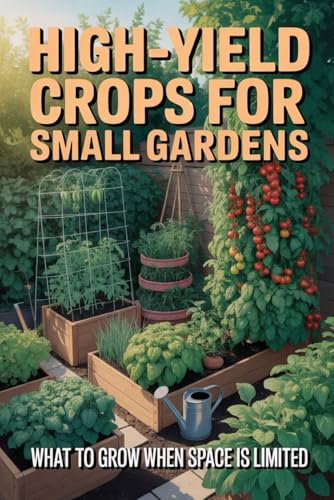
High-Yield Crops for Small Gardens: What to Grow When Space Is Limited and Every Square Foot Matters (Urban Gardening & Micro Farming)
As an affiliate, we earn on qualifying purchases.
As an affiliate, we earn on qualifying purchases.
Conclusion
In conclusion, maximizing yield in farming isn't just about the numbers; it's about understanding your land, crops, and the environment. By implementing best practices, staying informed on the latest techniques, and adapting to changes, you can achieve remarkable results. Remember, every farm is unique, so tailor your approach to fit your specific needs. With dedication and the right strategies, you'll cultivate success and reap the rewards of your hard work. Happy farming!

SunHaven Seeds Drought Tolerant Wildflower Mix – 20,000+ Seeds – 1 oz Bulk Extra Large Resealable Packet – Non-GMO Flower Seeds for Dry Climates – Black-Eyed Susan, Coreopsis, California Poppy & More
PREMIUM DROUGHT TOLERANT WILDFLOWER MIX: A carefully curated blend of hardy wildflowers selected to thrive in hot, dry,…
As an affiliate, we earn on qualifying purchases.
As an affiliate, we earn on qualifying purchases.
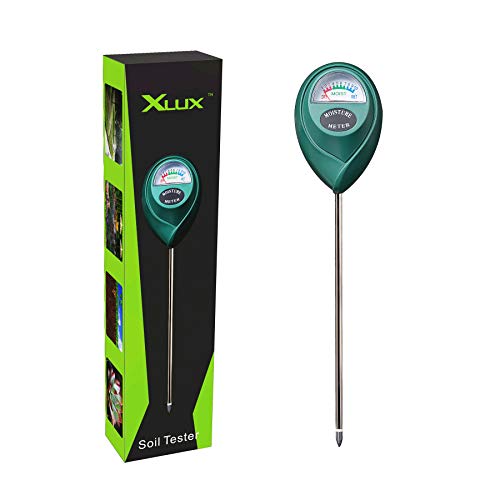
XLUX Soil Moisture Meter, Plant Water Monitor, Hygrometer Sensor for Gardening, Farming, Indoor and Outdoor Plants, No Batteries Required
Accurate Soil Moisture Detection:The XLUX Soil Moisture Meter can tell you if the soil deep inside your pot…
As an affiliate, we earn on qualifying purchases.
As an affiliate, we earn on qualifying purchases.