


Have you ever wondered what really drives streaming success? It’s not just about the number of subscribers but how companies leverage user data, advertising, and pricing strategies to stay competitive. Disney+ has become a key player, reaching approximately 125 million subscribers globally by the first quarter of 2025. That’s a rapid ascent since its launch in November 2019. The company continues to add over a million new users each quarter, maintaining a growth momentum that outpaces early Netflix trajectories—despite Netflix’s longer presence and less crowded market environment.
Recently, Disney+ and Hulu combined added more than 10 million subscribers, with Hulu leading due to partnerships like those with Charter. Still, Disney+’s recent growth has been more modest compared to Hulu’s faster expansion, highlighting the competitive dynamics in streaming.
But subscriber counts alone don’t tell the full story. Disney Advertising has begun sharing ad-supported user metrics, revealing a global monthly active user (MAU) estimate of 157 million across Disney+, Hulu, and ESPN+. Within the U.S. and Canada, about 112 million users engage with ad-supported content monthly. These figures come from a methodology that counts users who view ads for more than 10 seconds on active accounts, then multiplies by an average of 2.6 users per account—derived from regional surveys—to estimate total viewers. This methodology emphasizes engaged viewers rather than just account counts.
This transparency is crucial, as the industry lacks standardized global metrics for streaming ad audiences, making Disney’s data a valuable benchmark. Around 25% of Disney+ subscribers now use the ad-supported tier, a significant share that helps diversify revenue streams. U.S. ad revenue from these subscriptions is forecasted to grow by over $300 million between 2023 and 2025.
This approach allows Disney to monetize its large user base more effectively, especially as the market becomes more competitive and traditional subscription growth stalls. Moreover, Disney has increased subscription prices across its platforms in late 2024, with regional variations—ad-free extras cost more in Italy than in Hong Kong. These price hikes helped improve profitability, turning the Disney+ direct-to-consumer segment from losses into a profit of around $143 million in 2024.
However, all these gains come with challenges. Disney invested heavily in original content, including Marvel franchises, to attract viewers. Yet, satisfaction with Disney+ original shows declined by 7 percentage points between 2022 and 2023, with Marvel-exclusive content experiencing a drop in popularity. This signals that even with rising subscriber numbers and diversified revenue streams, content quality and audience engagement remain critical.
Disney’s strategy to balance pricing, subscription models, and content investment underscores how understanding user behavior and monetization tactics are vital for streaming success. In an industry where numbers can be manipulated or obscured, Disney’s push for transparency and data-driven decisions reveals the real subscriber secrets behind its growth.

Roku Ultra – Ultimate Streaming Player – 4K Streaming Device for TV with HDR10+, Dolby Vision & Atmos – Bluetooth & Wi-Fi 6 – Rechargeable Voice Remote Pro with Backlit Buttons – Free & Live TV
Ultra-speedy streaming: Roku Ultra is 30% faster than any other Roku player, delivering a lightning-fast interface and apps…
As an affiliate, we earn on qualifying purchases.
As an affiliate, we earn on qualifying purchases.
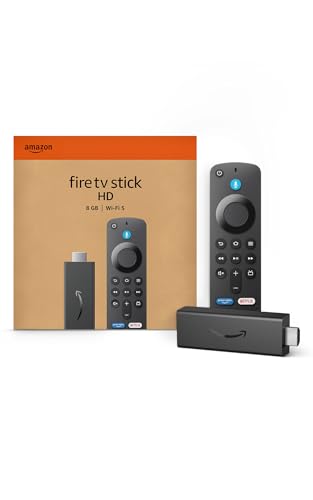
Amazon Fire TV Stick HD (newest model), free and live TV, Alexa Voice Remote, smart home controls, HD streaming
Stream in Full HD – Enjoy fast, affordable streaming that’s made for HD TVs, and control it all…
As an affiliate, we earn on qualifying purchases.
As an affiliate, we earn on qualifying purchases.

Appstore Settings – Quick Access App store Settings Screen on Fire TV
Quick access to Appstore Settings
As an affiliate, we earn on qualifying purchases.
As an affiliate, we earn on qualifying purchases.

Deeper Connect Air(2023 Version) Basic Version Portable dVPN Device, Lifetime Free Decentralized VPN, Ad Blocking VPN Router
Basic dVPN Privacy Version: Lifetime free decentralized VPN for everyday browsing.
As an affiliate, we earn on qualifying purchases.
As an affiliate, we earn on qualifying purchases.