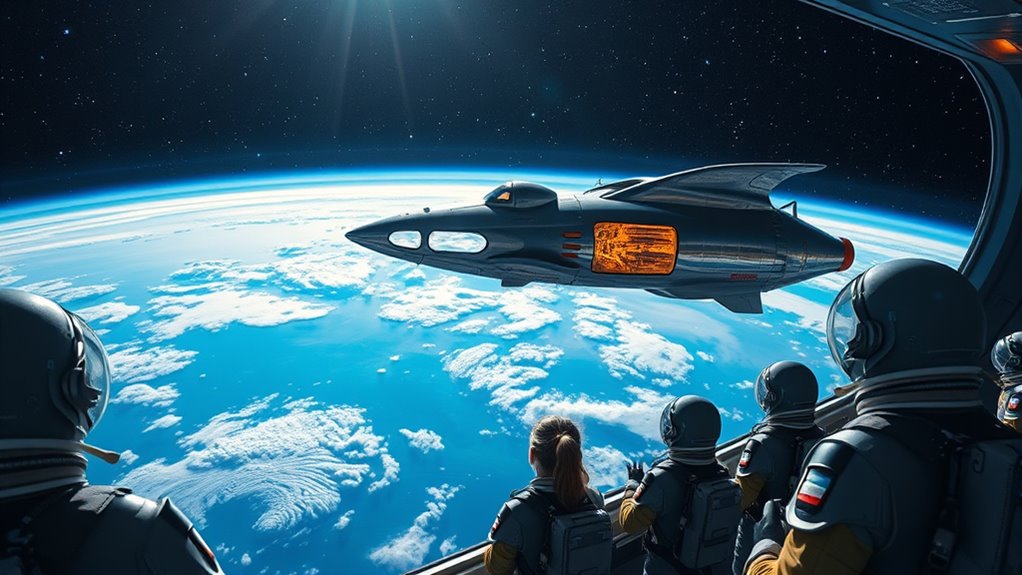

Space tourism is rapidly becoming your ticket to the cosmos, allowing you to experience the thrill of weightlessness and breathtaking views of Earth. With companies like SpaceX and Virgin Galactic leading the charge, accessing space is no longer just for astronauts. As costs decline and technology advances, you can look forward to extraordinary adventures among the stars. Each journey offers a chance to connect with the universe in a way that will transform your perspective. There’s much more to discover about this exciting frontier.
Key Takeaways
- Space tourism is rapidly evolving, with companies like SpaceX, Blue Origin, and Virgin Galactic making space accessible to non-professionals.
- Travelers experience the thrill of weightlessness, unique views of Earth, and a new perspective on life and the universe.
- Pre-flight training prepares travelers for zero gravity and enhances their anticipation for the adventure ahead.
- Declining costs and technological advancements are making space tourism more accessible, paving the way for mainstream adoption.
- Space tourism cultivates a deeper connection to the universe, expanding human presence beyond Earth and fulfilling exploration dreams.
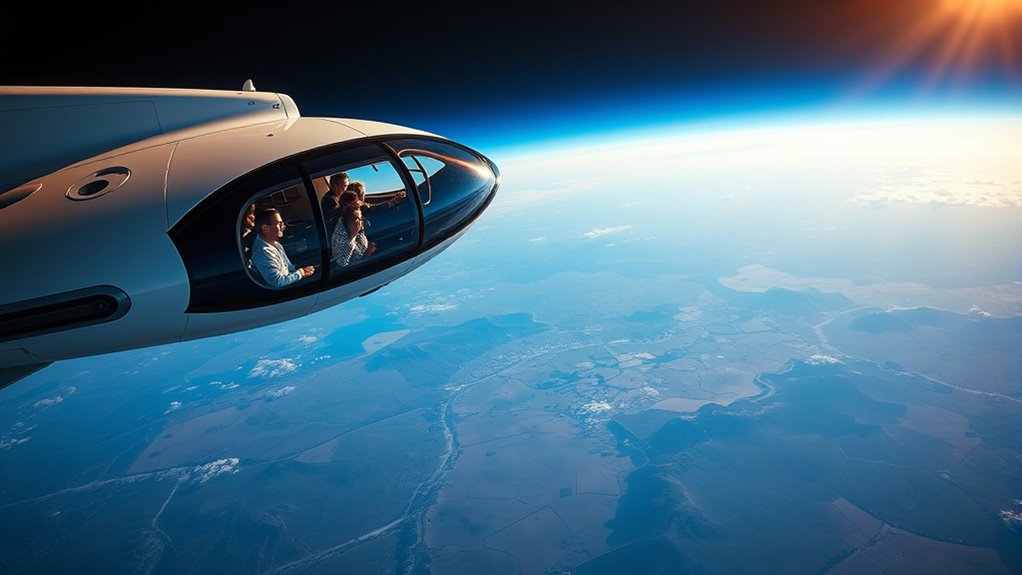
Space tourism is no longer a distant dream; it’s becoming a reality for adventurous souls enthusiastic to explore the cosmos. Imagine standing on the edge of space, gazing back at Earth, and feeling the thrill of weightlessness as you float in zero gravity. This isn’t just a fantasy anymore; it’s an experience you can sign up for, and it’s rapidly evolving into a viable option for those seeking out the extraordinary.
Companies like SpaceX, Blue Origin, and Virgin Galactic have pioneered the way for commercial space travel, making it accessible to more than just astronauts. With their state-of-the-art technology, they’re creating space habitats that allow you to experience life beyond our planet. These habitats are designed to be comfortable and safe, providing the necessary amenities for your journey into the great unknown. You’ll find yourself in a specially designed cabin that offers breathtaking views of space while ensuring your comfort during the flight.
Once you rocket into space, you’ll experience the exhilarating sensation of zero gravity. Floating freely in this environment changes your perspective on life. It’s not just about the thrill; it’s about understanding the vastness of the universe and your place within it. You can perform somersaults, glide through the cabin, and even share this unique experience with fellow travelers, creating memories that will last a lifetime.
As you set out on your space tourism adventure, you’ll likely participate in pre-flight training, where you’ll learn about the various aspects of space travel. This includes safety protocols, what to expect during the flight, and how to adapt to the zero gravity environment. The anticipation and excitement build as you prepare to be one of the few individuals to venture into space.
In the coming years, space tourism will likely become more mainstream, with prices dropping as technology advances and competition increases. You may find yourself booking trips to orbit the Earth or even visiting private space stations, where you can socialize and relax in a space habitat designed for leisure. Cultivating joy in these extraordinary experiences can enhance your appreciation of life and connection to the universe.
Ultimately, space tourism is about pushing boundaries and fulfilling dreams. So, if you’ve ever wanted to see Earth from a new angle or experience the wonders of space firsthand, now’s the time to contemplate taking that leap into the cosmos. The universe is waiting for you.

Mintakawa Automatic Cat Litter Box Self Cleaning - APP Control and Weight Monitoring - Ultra-Quiet, Suitable for Medium Cats and Kittens, Safe Anti-Pinch Litter Box (Assembly Required) - White
😸Ideal for small to medium cats: Designed to accommodate kittens and medium-sized cats, this litter box is suitable...
As an affiliate, we earn on qualifying purchases.
Frequently Asked Questions
What Is the Cost of a Ticket for Space Tourism?
Ticket pricing for space tourism varies widely, typically ranging from $200,000 to over $500,000 per person. While it might seem steep, some companies are exploring affordability options, such as payment plans or investment opportunities, making it more accessible. If you’re dreaming of a space adventure, keep an eye on evolving technologies and market changes that could drive down costs, potentially allowing more people to experience this extraordinary journey.
How Long Does a Space Tourism Trip Last?
Your space tourism trip usually lasts around 10 to 14 days, like a dream that takes you beyond the clouds. During this duration, you’ll experience breathtaking views of Earth and the awe of weightlessness. Each moment’s packed with adventure, from launch to landing. You’ll savor unique activities, such as spacewalks or dining in microgravity, making every second memorable. This journey isn’t just a trip; it’s an unforgettable leap into the cosmos!
Are There Health Risks Associated With Space Travel?
Yes, there are health risks associated with space travel. You might experience microgravity health effects, such as muscle atrophy and bone density loss. Additionally, space radiation poses a significant concern, increasing your risk of cancer and other illnesses. It’s vital to take into account these factors before setting out on a trip. Proper preparation and medical evaluations can help mitigate some risks, but understanding these challenges is essential for a safe journey beyond Earth.
What Training Is Required for Space Tourists?
To prepare for your trip, you’ll undergo space suit training to familiarize yourself with the gear you’ll wear. You’ll also experience zero gravity in simulators, helping you adapt to the sensation before actually going into space. This training ensures you’re comfortable and safe, boosting your confidence as you prepare for the adventure ahead. By the end, you’ll feel ready to embrace the wonders of space travel!
Can Children Participate in Space Tourism Flights?
Yes, children can participate in space tourism flights, but there are important considerations. Child safety is a priority, so companies often set age limits and require specific health assessments. You’ll also need to provide parental consent for your child to undertake such an adventure. Make sure to research each company’s policies thoroughly, as they can vary considerably. Ultimately, ensuring your child’s safety and well-being should be your top concern.
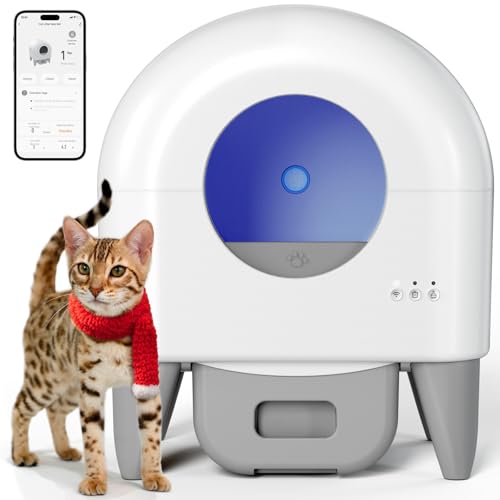
Fumoi Self Cleaning Litter Box, Automatic Litter Box Self Cleaning Large Capacity for Multiple Cats, App Control with Safety Sensors, Removable Washable Liner,2 Pack Garbage Bags,Grey
Advanced Safety Protection: Infrared motion sensors pause cleaning immediately upon detecting your cat’s presence; enhanced safety design prioritizes...
As an affiliate, we earn on qualifying purchases.
Conclusion
As space tourism takes off, it’s exciting to think about the possibilities ahead. Did you know that by 2030, the space tourism market is projected to be worth over $3 billion? That’s a demonstration to how quickly this industry is evolving. With companies like SpaceX and Blue Origin leading the charge, your dream of experiencing weightlessness and seeing Earth from above could soon become a reality. Get ready; the stars are closer than you think!
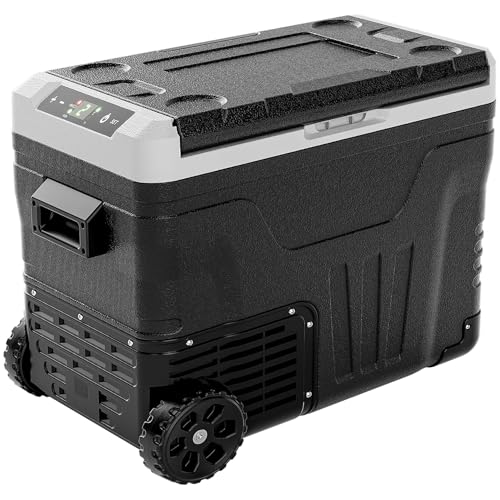
EUHOMY 12 Volt Refrigerator, 53QT(50L) Electric Cooler, Portable Freezer 12V/24V DC 100-240V AC, 12V Fridge -4℉~68℉, 12V Cooler with Wheels & 2 Baskets for Travel,Camping,Truck,Boat
Package Inclusions & 2 Year Tech Support; EUHOMY electric cooler comes with 110/240V AC, 12/24V DC adapters, two...
As an affiliate, we earn on qualifying purchases.

EUHOMY 12 Volt Refrigerator, 11 Quart (10L) Compressor Electric Cooler APP Control, Car Fridge 12/24V DC & 100-240V AC, Car refrigerator -4℉~68℉, Portable Freezer for RV, Camping, Travel
Package Contents & 2 Year Technical Support: EUHOMY electric cooler comes with 100/240V AC and 12/24V DC adapters,...
As an affiliate, we earn on qualifying purchases.